
-

Products
Main products include: large-scale livestock fans, large-scale greenhouse dedicated fans, industrial plant dedicated fans, circulation fans, roof automatic ventilators and other ventilation and cooling systems; wet curtains - fans, cold fans and other cooling and humidification systems; coal (fuel oil, electricity, gas) hot air fans, exhaust fans and other heating systems; feed towers, feed lines and other feeding systems; animal husbandry cage systems; scraper conveyor manure removal machines, belt conveyor manure removal machines and other manure removal systems.
-
About Us
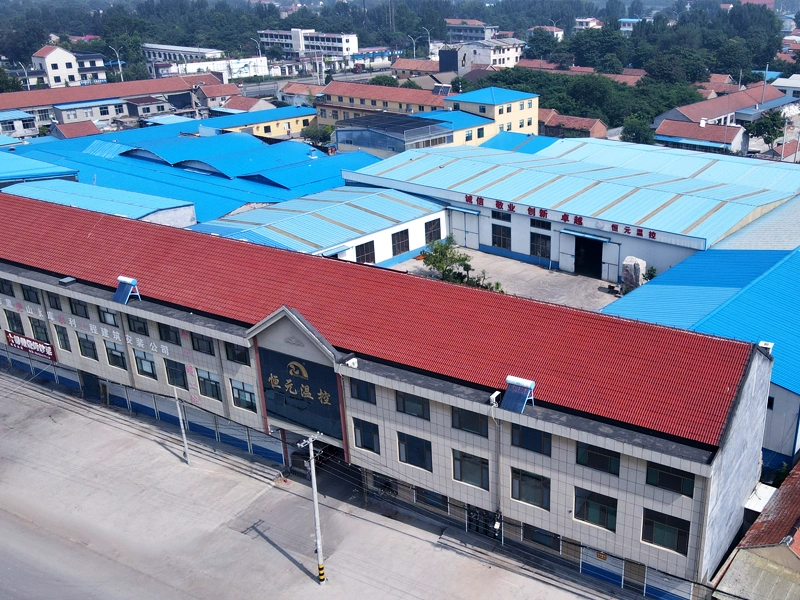
For many years, it has been committed to the development and promotion of national environmental protection and energy-saving products. It is a high-tech enterprise specializing in the production of environmental control-related equipment and technical services.
-
Blog
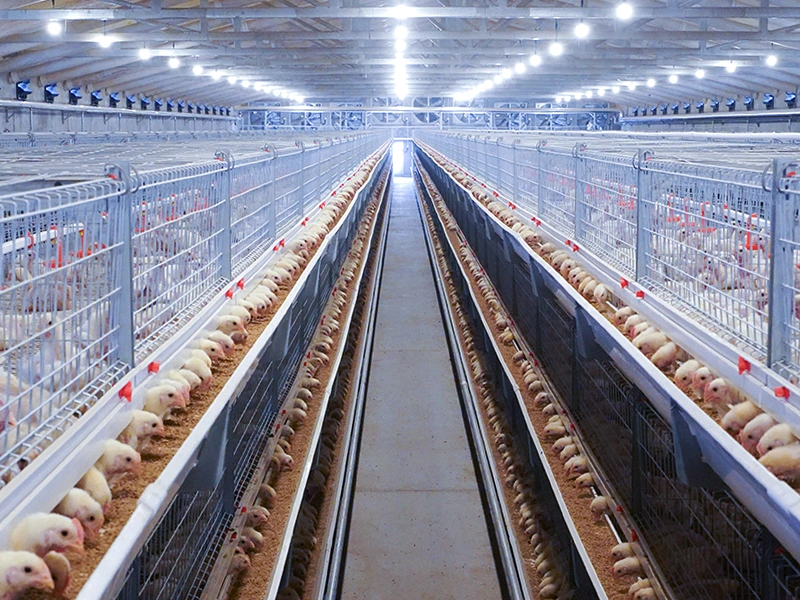
The company's goal is to provide customers with the best solutions for temperature and humidity control, to provide high-quality production and living environments for your greenhouses, livestock and poultry houses, industrial plants, etc., and to create the best benefits for you!
Enhancing Livestock Comfort: The Role of Evaporative Cooling Pads in Pig Houses
Release time:
2026-04-17
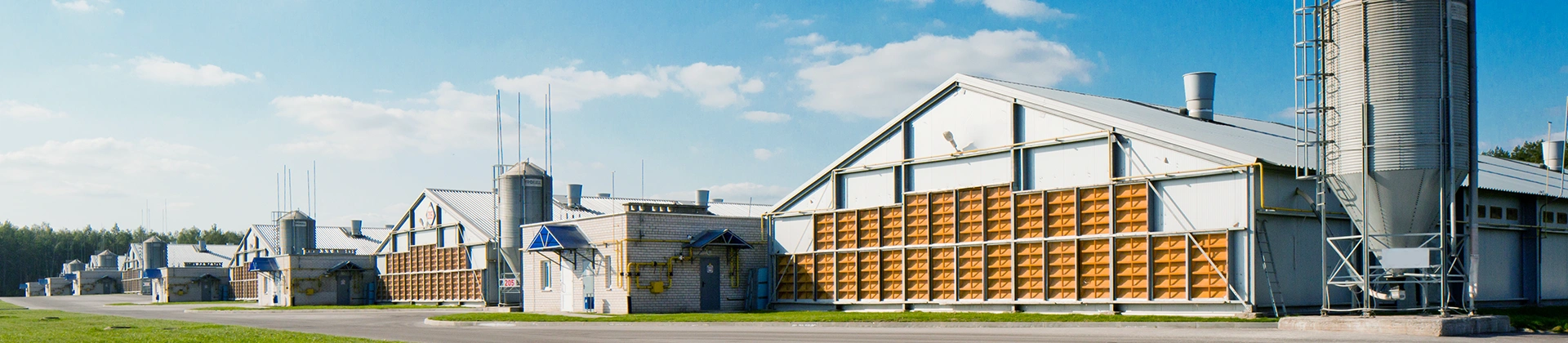
The operational principle of evaporative cooling pads is straightforward. When hot air passes through the saturated pads, water evaporates, absorbing heat from the air in the process. This results in cooler, more humid air being introduced into the pig house. The effectiveness of these pads largely depends on their material, thickness, and the airflow rate. Common materials used for these pads include cellulose, which is known for its excellent absorption and evaporation properties.
One of the primary benefits of using evaporative cooling pads is their ability to maintain a stable microclimate within the pig house. This stability is essential for the health and growth of pigs, particularly during hot weather. By lowering the ambient temperature, cooling pads help to minimize stress on the animals. This not only supports their welfare but also contributes to better weight gain and feed conversion ratios, enhancing overall farm productivity.
Moreover, the installation of evaporative cooling pads can be cost-effective in the long run. Once set up, the operational costs are typically lower than traditional cooling systems, such as air conditioning units. The passive nature of evaporative cooling means that it operates effectively in dry conditions, making it an ideal choice for many agricultural settings.
To maximize the efficiency of evaporative cooling pads, regular maintenance is essential. Farmers should clean the pads periodically to prevent the buildup of dust and algae, which can impede airflow and reduce cooling effectiveness. Additionally, ensuring that the water supply to the pads is clean and sufficient will help maintain optimal performance.
In conclusion, evaporative cooling pads for pig houses are an essential tool for enhancing animal welfare and farm productivity. By understanding their operation, benefits, and maintenance requirements, livestock farmers can make informed decisions that lead to healthier pigs and more successful farming operations. As climate conditions continue to fluctuate, integrating such cooling solutions will be crucial for sustainable livestock management in the future.
recommend Content
2025-04-24
Share

Engaged in all kinds of cooling heating and animal husbandry equipment
Qingzhou Ventimax Equipment Co.,Ltd.
Economic Development zone,Qingzhou,China