
-

Products
Main products include: large-scale livestock fans, large-scale greenhouse dedicated fans, industrial plant dedicated fans, circulation fans, roof automatic ventilators and other ventilation and cooling systems; wet curtains - fans, cold fans and other cooling and humidification systems; coal (fuel oil, electricity, gas) hot air fans, exhaust fans and other heating systems; feed towers, feed lines and other feeding systems; animal husbandry cage systems; scraper conveyor manure removal machines, belt conveyor manure removal machines and other manure removal systems.
-
About Us
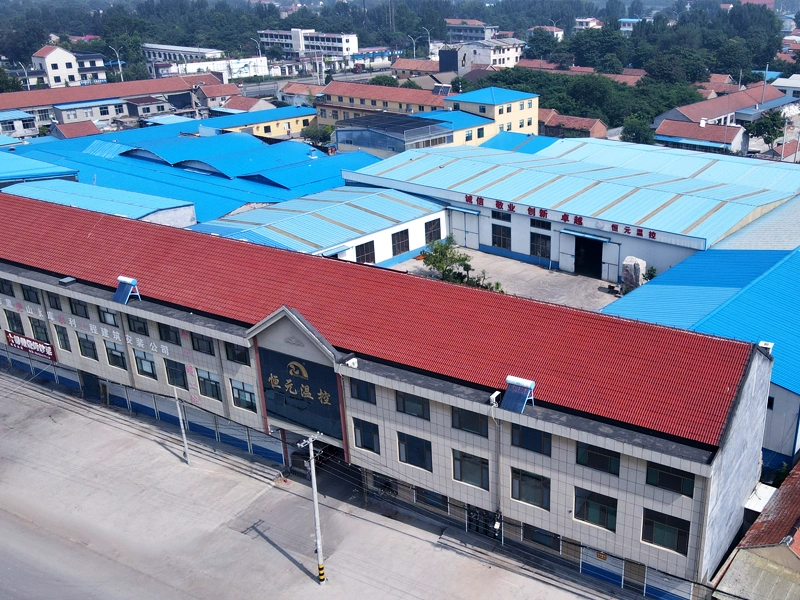
For many years, it has been committed to the development and promotion of national environmental protection and energy-saving products. It is a high-tech enterprise specializing in the production of environmental control-related equipment and technical services.
-
Blog
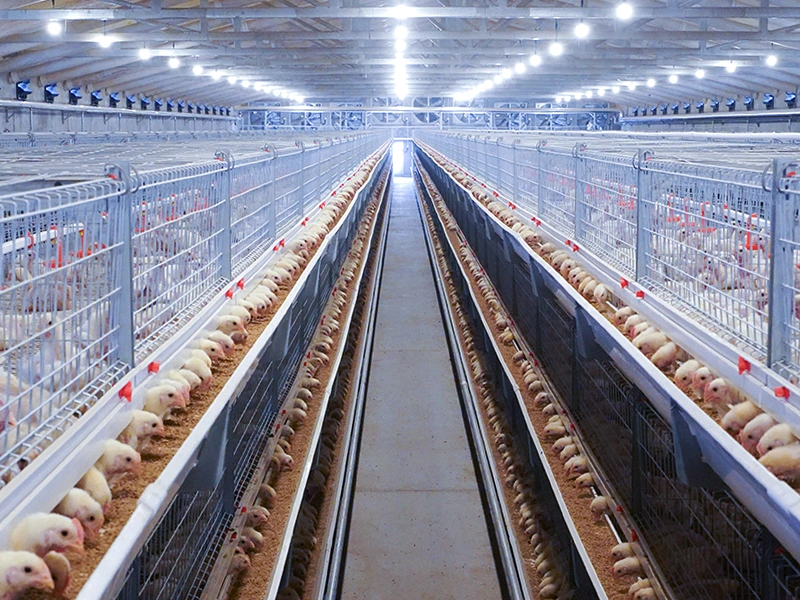
The company's goal is to provide customers with the best solutions for temperature and humidity control, to provide high-quality production and living environments for your greenhouses, livestock and poultry houses, industrial plants, etc., and to create the best benefits for you!
Understanding the Critical Role of Temperature Control in Swine Housing: Enhancing Health and Productivity
Release time:
2026-04-20
Understanding the Critical Role of Temperature Control in Swine Housing
Table of Contents
- 1. Introduction to Temperature Control in Swine Housing
- 2. The Importance of Temperature Control for Swine Health
- 3. Optimal Temperature Conditions for Different Growth Stages
- 4. Effective Temperature Management Strategies
- 5. Advanced Ventilation Techniques for Swine Housing
- 6. Importance of Temperature Monitoring Systems
- 7. Challenges in Temperature Control and Solutions
- 8. Conclusion: The Future of Temperature Control in Swine Housing
- 9. Frequently Asked Questions
1. Introduction to Temperature Control in Swine Housing
Effective temperature control is a critical aspect of swine housing that directly influences animal welfare and productivity. Swine are sensitive to environmental changes, and their health can significantly deteriorate if they are exposed to extreme temperature fluctuations. This article aims to explore the importance of temperature control in swine housing, detailing optimal conditions for growth, effective management strategies, and advanced technologies that can ensure a comfortable living environment for pigs.
2. The Importance of Temperature Control for Swine Health
Temperature control in swine housing is pivotal for several reasons:
2.1 Enhancing Animal Comfort
Maintaining a stable temperature helps reduce stress levels in pigs. When swine are uncomfortable due to extreme heat or cold, they are more likely to experience stress, which can lead to decreased feed intake and poor growth rates.
2.2 Preventing Disease Outbreaks
Pigs living in uncontrolled temperature environments are more susceptible to diseases. High temperatures can lead to heat stress, while low temperatures may cause hypothermia, both of which can weaken the immune system and increase the likelihood of infections.
2.3 Improving Feed Efficiency
Optimal temperature conditions lead to better feed conversion rates. When pigs are comfortable, they can focus on growth rather than expending energy to regulate their body temperature.
2.4 Ensuring Reproductive Success
Temperature has a direct impact on reproduction in swine. Breeding sows require specific temperature ranges to maintain reproductive health and success rates. Poor temperature control can lead to decreased fertility and higher rates of stillborn piglets.
3. Optimal Temperature Conditions for Different Growth Stages
Different stages of swine development require varied temperature settings. Understanding these nuances is essential for effective temperature management.
3.1 Piglets
Newborn piglets are particularly vulnerable to cold stress. The ideal temperature for piglets is around **32-34°C (89.6-93.2°F)** during the first week of life. Providing adequate heat sources, such as heat lamps or heated mats, can significantly improve survival rates.
3.2 Growing Pigs
Growing pigs (weaned to approximately 50 kg) thrive at temperatures between **22-24°C (71.6-75.2°F)**. At this stage, it's crucial to avoid temperature extremes to promote healthy weight gain and development.
3.3 Finishing Pigs
Finishing pigs, weighing over 50 kg, require temperatures around **18-20°C (64.4-68°F)**. Maintaining these conditions ensures optimal growth rates while reducing stress.
4. Effective Temperature Management Strategies
Implementing effective temperature management strategies is essential for maintaining the health and productivity of swine. Here are several approaches:
4.1 Insulation and Construction Materials
The choice of construction materials plays a significant role in maintaining stable temperatures. Insulated walls, ceilings, and floors can help regulate internal temperatures and minimize energy costs.
4.2 Heating Systems
Investing in reliable heating systems such as radiant heaters, forced-air heaters, or infrared heaters can provide the necessary warmth, especially during colder months. It's vital to choose systems that distribute heat evenly across the housing.
4.3 Cooling Systems
To combat heat stress during hot weather, effective cooling systems such as evaporative cooling pads, fans, and misting systems can help lower temperatures within the housing. These systems are essential for maintaining comfort and health during warmer months.
4.4 Regular Maintenance
Regular maintenance of heating and cooling systems ensures efficient operation. Scheduled inspections and timely repairs can prevent breakdowns and ensure that the systems function correctly, keeping the pigs comfortable year-round.
5. Advanced Ventilation Techniques for Swine Housing
Proper ventilation is a critical component of temperature control, as it helps maintain air quality and regulates temperature.
5.1 Natural Ventilation
Natural ventilation allows outside air to flow into the housing, helping to cool the environment. Design features such as windows, vents, and roof overhangs can facilitate this process, ensuring a continuous exchange of air.
5.2 Mechanical Ventilation
Mechanical ventilation systems use fans to regulate airflow within swine housing. These systems are particularly useful in large facilities where natural ventilation may be insufficient. They help control temperature and humidity levels, ensuring a stable environment.
5.3 Hybrid Systems
Combining natural and mechanical ventilation can provide the benefits of both systems. Hybrid systems can adapt to changing environmental conditions, supplying fresh air while ensuring optimal temperature control.
6. Importance of Temperature Monitoring Systems
Monitoring temperature and environmental conditions is vital for managing swine housing effectively.
6.1 Automated Monitoring Systems
Investing in automated temperature monitoring systems can provide real-time data about the housing environment. These systems can alert farmers to any deviations from the optimal temperature range, allowing for prompt corrective actions.
6.2 Data Analysis and Decision Making
The data collected from monitoring systems can be analyzed to identify trends and make informed decisions about management practices. By understanding how temperature impacts pig health and productivity, farmers can optimize their approaches.
7. Challenges in Temperature Control and Solutions
While maintaining optimal temperatures is crucial, several challenges can arise.
7.1 Extreme Weather Conditions
Severe weather can create difficulties in maintaining stable temperatures. Investing in robust heating and cooling solutions with backup systems can help mitigate these risks.
7.2 Aging Infrastructure
Older barns may lack adequate insulation and efficient systems. Upgrading to modern materials and technologies can significantly enhance temperature control.
7.3 Energy Costs
High energy costs can strain budgets. Implementing energy-efficient systems and practices can help reduce expenses while maintaining optimal conditions for swine.
8. Conclusion: The Future of Temperature Control in Swine Housing
Effective temperature control in swine housing is not merely a luxury; it is a necessity for ensuring the health and productivity of pigs. By understanding the significance of maintaining optimal conditions at various growth stages and implementing effective management strategies, farmers can enhance their operations significantly. As technology advances, the future of temperature control in swine housing looks promising, offering innovative solutions that can ensure a comfortable and productive environment for these animals.
9. Frequently Asked Questions
FAQ 1: What is the ideal temperature range for piglets?
The ideal temperature range for newborn piglets is **32-34°C (89.6-93.2°F)** during their first week of life to prevent cold stress.
FAQ 2: How does temperature affect pig growth?
Comfortable temperatures reduce stress, improve feed efficiency, and promote healthy growth rates in pigs.
FAQ 3: What cooling systems are recommended for swine housing?
Evaporative cooling pads, fans, and misting systems are effective cooling solutions that help mitigate heat stress in pigs.
FAQ 4: Why is monitoring temperature important in swine housing?
Monitoring temperature helps ensure that conditions remain within the optimal range, preventing health issues and improving overall productivity.
FAQ 5: What are common challenges in temperature control for swine housing?
Extreme weather conditions, aging infrastructure, and high energy costs can pose challenges in maintaining optimal temperatures in swine housing. Solutions include upgrading systems and implementing energy-efficient practices.
recommend Content
2025-04-24
Share

Engaged in all kinds of cooling heating and animal husbandry equipment
Qingzhou Ventimax Equipment Co.,Ltd.
Economic Development zone,Qingzhou,China