
-

Products
Main products include: large-scale livestock fans, large-scale greenhouse dedicated fans, industrial plant dedicated fans, circulation fans, roof automatic ventilators and other ventilation and cooling systems; wet curtains - fans, cold fans and other cooling and humidification systems; coal (fuel oil, electricity, gas) hot air fans, exhaust fans and other heating systems; feed towers, feed lines and other feeding systems; animal husbandry cage systems; scraper conveyor manure removal machines, belt conveyor manure removal machines and other manure removal systems.
-
About Us
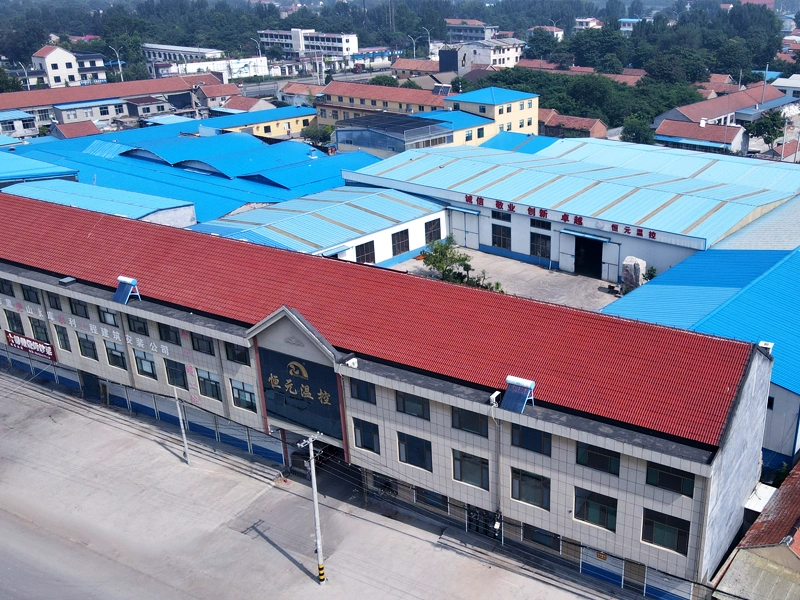
For many years, it has been committed to the development and promotion of national environmental protection and energy-saving products. It is a high-tech enterprise specializing in the production of environmental control-related equipment and technical services.
-
Blog
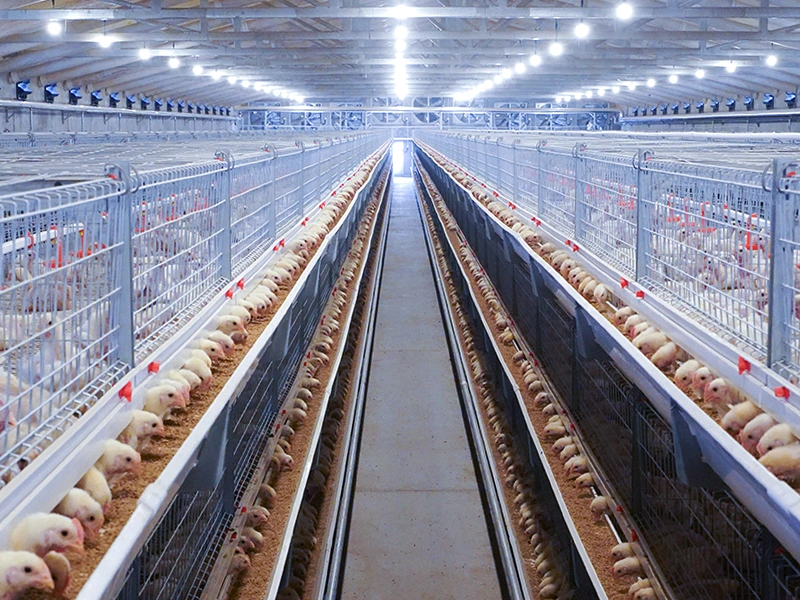
The company's goal is to provide customers with the best solutions for temperature and humidity control, to provide high-quality production and living environments for your greenhouses, livestock and poultry houses, industrial plants, etc., and to create the best benefits for you!
High Airflow Cone Fans: A Game Changer for Dairy Barn Ventilation
Release time:
2026-04-14
High Airflow Cone Fans: A Game Changer for Dairy Barn Ventilation
In today’s dairy farming ecosystem, maintaining optimal ventilation is crucial for animal health, productivity, and overall operational efficiency. Traditional ventilation methods often fall short in providing the necessary airflow and temperature control, especially during the hot summer months. Enter **high airflow cone fans**—an innovative solution that has transformed the way dairy barns manage air circulation.
This article delves into the benefits, installation, and maintenance of high airflow cone fans, providing dairy farmers with essential insights to enhance their operations.
Understanding High Airflow Cone Fans
High airflow cone fans are specially designed ventilation devices that maximize air movement while minimizing energy consumption. Their unique conical shape allows for increased airflow distribution across large areas, making them ideal for expansive dairy barns.
The Importance of Proper Ventilation in Dairy Barns
Proper ventilation is critical in dairy barns for several reasons:
1. **Animal Comfort**: Cows are sensitive to heat stress, which can adversely affect milk production. Effective ventilation helps maintain a comfortable environment for the animals.
2. **Air Quality**: Good air circulation reduces the accumulation of harmful gases, dust, and pathogens, promoting better respiratory health.
3. **Humidity Control**: High humidity can lead to mold growth and other issues. Cone fans help regulate moisture levels, ensuring a healthier environment.
The Advantages of High Airflow Cone Fans
When considering ventilation options, high airflow cone fans offer several distinct advantages:
1. Enhanced Airflow Efficiency
The design of cone fans enables them to push a large volume of air while maintaining a high static pressure. This means they can effectively ventilate even the largest dairy barns, ensuring that every corner receives adequate airflow.
2. Energy Savings
Many high airflow cone fans are equipped with energy-efficient motors that consume less electricity without compromising performance. This translates to lower utility bills, allowing dairy farmers to allocate resources more effectively.
3. Durability and Longevity
Constructed with robust materials designed to withstand harsh environmental conditions, high airflow cone fans are built to last. Their durability ensures that farmers won’t need to replace them frequently, reducing overhead costs.
4. Low Maintenance Requirements
With fewer moving parts than traditional fans, high airflow cone fans require minimal maintenance. Regular checks and cleanings can keep them running efficiently for years, making them a hassle-free option for busy farmers.
5. Versatility in Application
These fans can be adapted to various barn layouts and configurations, making them suitable for different types of dairy operations. Whether it's a freestall barn or a tie-stall barn, high airflow cone fans can be installed to meet specific needs.
Installation Process for High Airflow Cone Fans
To achieve optimal results, proper installation of high airflow cone fans is essential. Here’s a step-by-step guide to ensure correct setup:
1. Assess Your Barn Layout
Before installation, evaluate your barn’s layout. Identify areas that require enhanced airflow and determine the number of fans needed based on barn size.
2. Choose the Right Fan Size and Specifications
Selecting the appropriate fan model is crucial for achieving desired airflow rates. Consider factors such as barn dimensions, the number of animals, and specific ventilation requirements.
3. Positioning the Fans
Install fans strategically to create an effective airflow pattern. Typically, fans should be mounted at a height of 10 to 14 feet, angled slightly downward towards the animals. This positioning ensures optimal airflow while minimizing noise.
4. Electrical Setup
Ensure that the fans are connected to a reliable power source. It’s advisable to hire a licensed electrician for this part of the installation to ensure compliance with safety regulations.
5. Test the System
After installation, conduct a thorough test of the system. Check for any unusual noises, vibrations, or airflow disruptions. Adjust fan angles if necessary to optimize performance.
Maintaining Your High Airflow Cone Fans
Proper maintenance is key to ensuring the longevity and efficiency of your high airflow cone fans. Here are essential maintenance practices to follow:
1. Regular Inspections
Conduct routine inspections to identify any signs of wear and tear. Pay attention to fan blades, motors, and electrical connections.
2. Cleaning
Dust and debris can accumulate on fan blades, reducing efficiency. Clean the fans regularly to maintain optimal airflow. Use a damp cloth to wipe down blades, and avoid using harsh chemicals that could damage the materials.
3. Lubrication
Check the manufacturer’s guidelines regarding lubrication. Some models may require periodic lubrication of the motor bearings to prevent friction and extend the life of the fan.
4. Monitor Performance
Keep track of how well the fans perform during peak seasons. If airflow seems diminished, it may be time to troubleshoot or service the fans.
5. Seasonal Checks
As seasons change, ensure the fans are prepared for different weather conditions. Inspect for any potential issues that could arise due to temperature fluctuations.
FAQs About High Airflow Cone Fans
1. What is the ideal height for installing high airflow cone fans?
The ideal height for installing high airflow cone fans is between 10 to 14 feet, angled slightly downward towards the animals.
2. How do I determine the number of fans needed for my dairy barn?
The number of fans required depends on the barn's size, the number of animals, and the specific ventilation needs. Consulting with a ventilation expert can provide tailored recommendations.
3. Can high airflow cone fans operate efficiently in cold weather?
Yes, high airflow cone fans are designed to perform well in various temperatures. However, adjustments may be needed to avoid chilling animals during extremely cold conditions.
4. How much energy do high airflow cone fans consume compared to traditional fans?
High airflow cone fans typically utilize energy-efficient motors that consume significantly less power compared to traditional ventilation systems, leading to lower electricity costs.
5. What is the expected lifespan of high airflow cone fans?
With proper maintenance, high airflow cone fans can last anywhere from 10 to 15 years, making them a durable investment for dairy farmers.
Conclusion
High airflow cone fans are undoubtedly a **game changer** in the realm of dairy barn ventilation. By enhancing airflow, reducing energy costs, and promoting animal health, they provide a comprehensive solution to the challenges faced by dairy farmers today. With easy installation and low maintenance requirements, these fans stand out as a viable investment for improving dairy barn environments.
Adopting high airflow cone fans can significantly elevate your dairy operation, leading to healthier animals and improved productivity. Investing in this advanced ventilation technology may very well be one of the best decisions for the future of your dairy farm.
recommend Content
2025-04-24
Share

Engaged in all kinds of cooling heating and animal husbandry equipment
Qingzhou Ventimax Equipment Co.,Ltd.
Economic Development zone,Qingzhou,China