
-

Products
Main products include: large-scale livestock fans, large-scale greenhouse dedicated fans, industrial plant dedicated fans, circulation fans, roof automatic ventilators and other ventilation and cooling systems; wet curtains - fans, cold fans and other cooling and humidification systems; coal (fuel oil, electricity, gas) hot air fans, exhaust fans and other heating systems; feed towers, feed lines and other feeding systems; animal husbandry cage systems; scraper conveyor manure removal machines, belt conveyor manure removal machines and other manure removal systems.
-
About Us
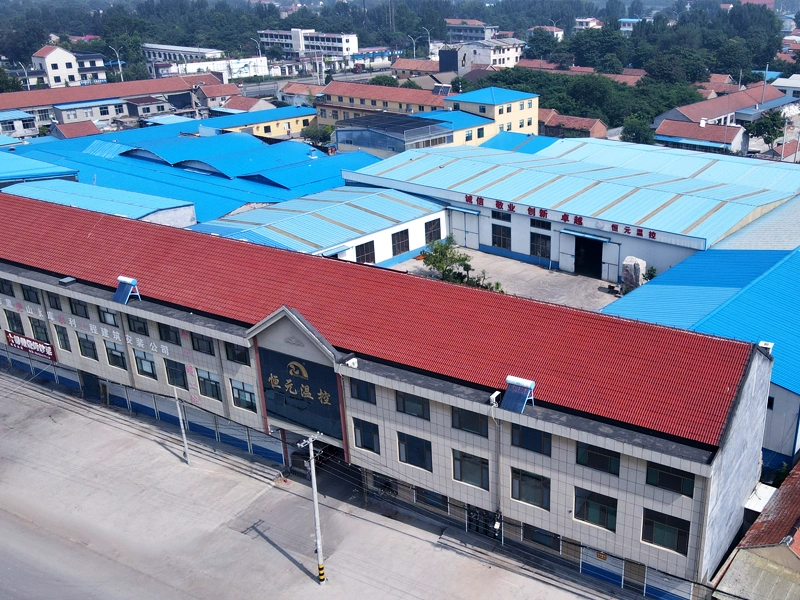
For many years, it has been committed to the development and promotion of national environmental protection and energy-saving products. It is a high-tech enterprise specializing in the production of environmental control-related equipment and technical services.
-
Blog
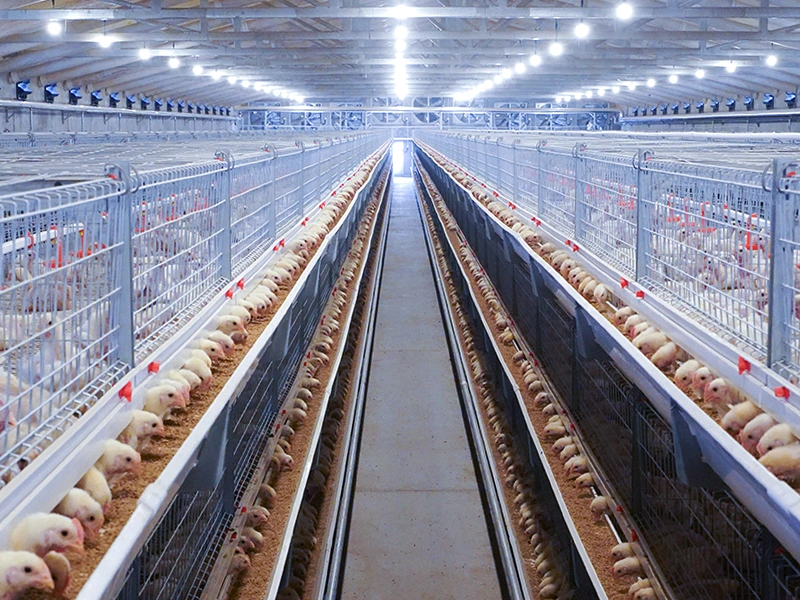
The company's goal is to provide customers with the best solutions for temperature and humidity control, to provide high-quality production and living environments for your greenhouses, livestock and poultry houses, industrial plants, etc., and to create the best benefits for you!
Enhancing Swine Barn Efficiency: The Importance of Proper Ventilation Shutters
Release time:
2025-09-19
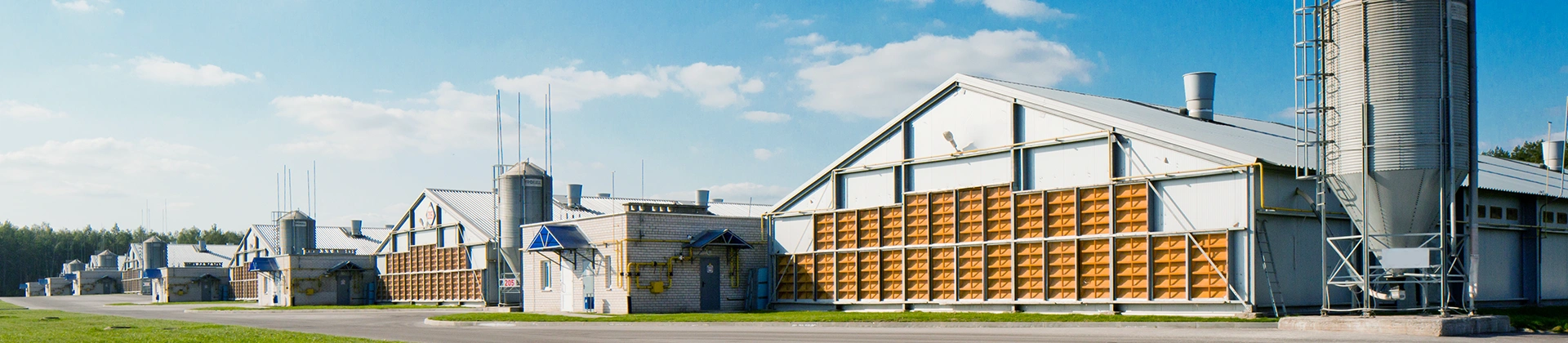
Swine barn ventilation shutters are designed to control the entry and exit of air in the barn, allowing for the regulation of temperature and moisture levels. Proper ventilation is crucial, as it helps remove harmful gases, such as ammonia and carbon dioxide, and prevents the buildup of humidity, which can lead to respiratory issues among the livestock. By strategically placing these shutters, farmers can optimize airflow patterns to enhance overall barn conditions.
One of the key benefits of using ventilation shutters in swine barns is energy efficiency. Unlike traditional ventilation systems that may rely on constant mechanical airflow, shutters can be adjusted to allow natural breezes to flow through, reducing energy costs associated with heating and cooling. This not only helps in conserving energy but also contributes to a more sustainable farming operation.
Moreover, the design of ventilation shutters allows for easy adjustment according to weather conditions. During hot summer months, the shutters can be opened wider to allow for maximum airflow, while in colder months, they can be partially closed to retain warmth within the barn. This adaptability is crucial for maintaining the ideal living conditions for pigs throughout the changing seasons.
Regular maintenance of swine barn ventilation shutters is essential to ensure their optimal performance. Farmers should routinely inspect the shutters for any signs of damage or blockage, as these issues can hinder airflow and negatively impact barn conditions. Keeping the shutters clean and free from debris will also enhance their efficiency. Additionally, implementing automated systems for opening and closing the shutters can provide farmers with greater control over ventilation, allowing for real-time adjustments based on environmental changes.
In conclusion, swine barn ventilation shutters are vital components that contribute to the overall health and productivity of pigs. By ensuring proper airflow and maintaining an optimal environment, these shutters not only promote animal welfare but also enhance the operational efficiency of swine farming. Investing in high-quality ventilation shutters and maintaining them regularly can lead to better growth rates, reduced health issues, and ultimately, a more sustainable farming practice. Understanding the importance of these systems and their proper management is essential for every swine farmer aiming for success in the industry.
recommend Content
2025-04-24
Share

Engaged in all kinds of cooling heating and animal husbandry equipment
Qingzhou Ventimax Equipment Co.,Ltd.
Economic Development zone,Qingzhou,China