
-

Products
Main products include: large-scale livestock fans, large-scale greenhouse dedicated fans, industrial plant dedicated fans, circulation fans, roof automatic ventilators and other ventilation and cooling systems; wet curtains - fans, cold fans and other cooling and humidification systems; coal (fuel oil, electricity, gas) hot air fans, exhaust fans and other heating systems; feed towers, feed lines and other feeding systems; animal husbandry cage systems; scraper conveyor manure removal machines, belt conveyor manure removal machines and other manure removal systems.
-
About Us
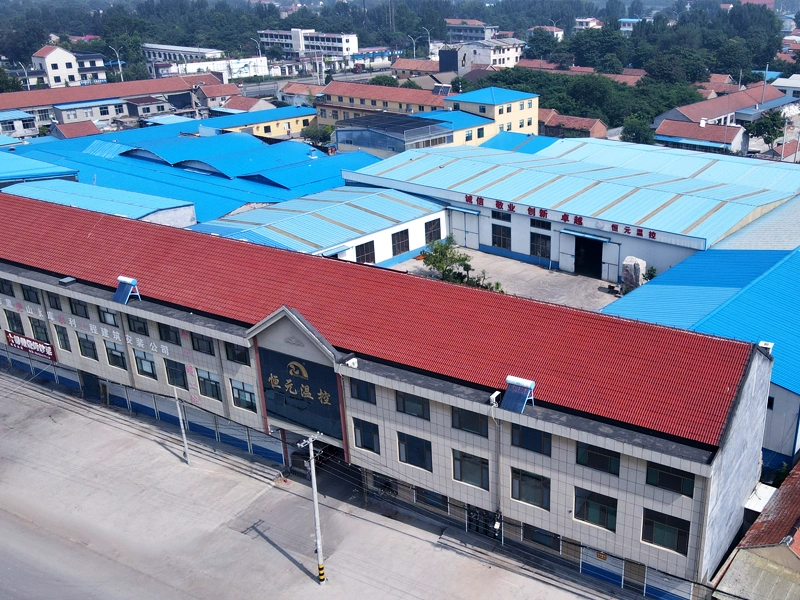
For many years, it has been committed to the development and promotion of national environmental protection and energy-saving products. It is a high-tech enterprise specializing in the production of environmental control-related equipment and technical services.
-
Blog
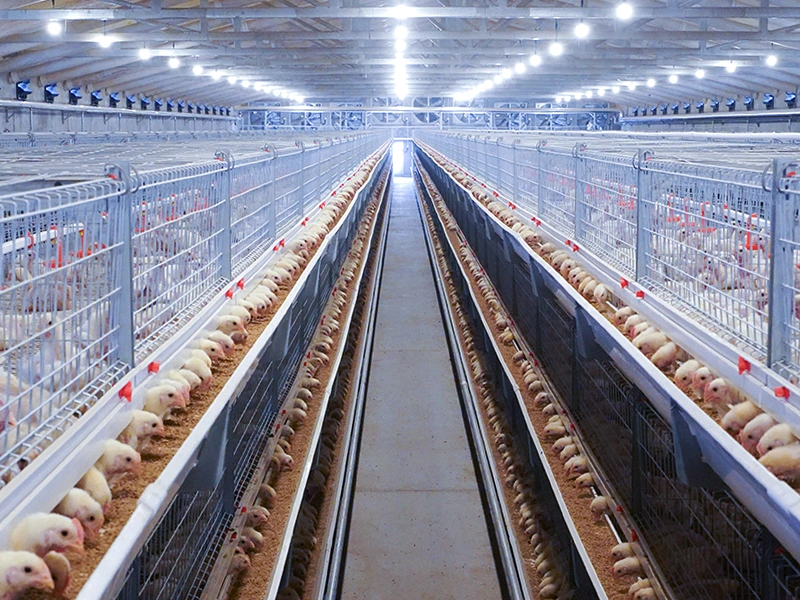
The company's goal is to provide customers with the best solutions for temperature and humidity control, to provide high-quality production and living environments for your greenhouses, livestock and poultry houses, industrial plants, etc., and to create the best benefits for you!
Maximize Ventilation: Why High Airflow Cone Fans are Essential for Dairy Barns
Release time:
2025-09-22
Maximize Ventilation: Why High Airflow Cone Fans are Essential for Dairy Barns
In the world of dairy farming, maintaining a healthy environment is crucial not only for the well-being of the animals but also for the productivity of the entire operation. One significant aspect of this environment is ventilation. High airflow cone fans have emerged as an essential solution for ensuring optimal air circulation in dairy barns. This article explores the importance of ventilation, the technology behind high airflow cone fans, their benefits, and how they can be effectively implemented in dairy farms.
Understanding the Importance of Ventilation in Dairy Barns
Ventilation plays a vital role in dairy barns for several reasons:
- Animal Health: Inadequate ventilation can lead to the accumulation of harmful gases like ammonia and carbon dioxide, which can adversely affect the health of dairy cows.
- Comfort Levels: Proper airflow helps regulate temperature and humidity, ensuring that the cows remain comfortable, especially in hot weather.
- Production Efficiency: Healthy and comfortable cows are more productive. Maintaining good ventilation contributes directly to milk yield and quality.
What are High Airflow Cone Fans?
High airflow cone fans are specialized ventilation devices designed to move large volumes of air efficiently. Their unique cone shape enhances airflow dynamics, allowing them to cool and ventilate spaces effectively. These fans are particularly useful in dairy barns, where they help maintain a stable and healthy environment.
How High Airflow Cone Fans Work
The design of high airflow cone fans optimizes the movement of air, creating a laminar flow that helps distribute fresh air evenly throughout the barn. Unlike standard fans, the cone shape reduces turbulence and maximizes airflow distance, ensuring that even the farthest corners of the barn receive adequate ventilation. This design helps in:
- Enhanced Air Circulation: By pushing air in a focused direction, these fans improve overall air exchange rates.
- Energy Efficiency: Modern high airflow cone fans are designed to consume less power while delivering superior performance.
- Reduced Noise Levels: Their efficient design often results in quieter operation compared to traditional fans.
Benefits of Using High Airflow Cone Fans in Dairy Barns
The advantages of incorporating high airflow cone fans into dairy barns are numerous:
1. Improved Animal Welfare
Healthy airflow is essential for the well-being of dairy cows. High airflow cone fans significantly reduce heat stress, which can lead to a range of health issues. By providing a consistent breeze, these fans help cows maintain a lower body temperature, promoting overall health.
2. Enhanced Milk Production
Studies have shown that cows in well-ventilated environments produce more milk compared to those in poorly ventilated barns. High airflow cone fans help create ideal conditions that enhance milk quality and yield.
3. Better Air Quality
Effective ventilation reduces the buildup of harmful gases and airborne pathogens, creating a healthier environment for both animals and workers. This improved air quality can lead to lower veterinary costs and reduced incidence of respiratory diseases.
4. Cost-Effective Solution
Although the initial investment in high airflow cone fans may seem substantial, the long-term savings in veterinary bills, increased milk production, and reduced energy costs make them a wise investment for dairy farmers.
5. Flexibility and Customization
High airflow cone fans come in various sizes and can be strategically placed in different areas of the barn to meet specific ventilation needs. This flexibility allows farmers to tailor ventilation solutions to their unique barn layouts and animal populations.
Key Considerations When Choosing High Airflow Cone Fans
When selecting high airflow cone fans for your dairy barn, consider the following factors:
1. Size of the Barn
The size and layout of your barn will influence the number and size of fans needed. A larger barn may require multiple fans to ensure even air distribution.
2. Fan Placement
Optimize fan placement to maximize airflow throughout the barn. Position fans to create a cross-ventilation effect, pushing stale air out while drawing fresh air in.
3. Energy Efficiency
Select fans that are energy efficient to minimize operational costs. Look for models with variable speed settings to adjust airflow as needed.
4. Durability and Maintenance
Invest in fans made from durable materials that can withstand the elements and require minimal maintenance. Regular cleaning and inspection will prolong the lifespan of your fans.
5. Noise Levels
Choose fans that operate quietly to avoid causing stress to your animals and disrupt the farm environment.
Implementation of High Airflow Cone Fans in Dairy Barns
Implementing high airflow cone fans in your dairy barn involves several steps:
1. Assessment of Current Ventilation
Evaluate your current ventilation system. Identify areas of poor airflow and determine how many fans you will need to improve conditions.
2. Planning Fan Installation
Develop a detailed plan for fan installation, considering factors such as power supply, fan placement, and airflow patterns.
3. Professional Installation
While some farmers may choose to install fans themselves, hiring professionals can ensure optimal placement and operation, maximizing the benefits of your investment.
4. Monitoring Performance
After installation, monitor the performance of your fans regularly. Check airflow effectiveness, energy consumption, and animal behavior to ensure the fans are working as intended.
Common FAQs About High Airflow Cone Fans in Dairy Barns
1. How do high airflow cone fans compare to traditional fans?
High airflow cone fans are designed to move air more efficiently and quietly than traditional fans, providing better airflow distribution and energy savings.
2. Can high airflow cone fans be used in other agricultural settings?
Yes, while they are particularly beneficial in dairy barns, high airflow cone fans can also be beneficial in poultry houses, greenhouses, and other agricultural environments requiring effective ventilation.
3. What maintenance do high airflow cone fans require?
Regular cleaning and inspection are critical. Dust and debris can reduce efficiency, so fans should be cleaned periodically, and any mechanical issues should be addressed promptly.
4. How do I determine the number of fans needed for my barn?
The number of fans required depends on the barn's size, layout, and the number of animals housed. Consulting with a ventilation professional can provide tailored recommendations.
5. Are high airflow cone fans energy efficient?
Yes, many modern high airflow cone fans are designed with energy efficiency in mind. Look for models that offer variable speed settings for optimal energy use.
Conclusion
In conclusion, high airflow cone fans are an indispensable tool for dairy farmers looking to maximize ventilation and improve the overall health and productivity of their herds. By understanding the importance of proper ventilation, leveraging the benefits of these specialized fans, and carefully planning their implementation, farmers can create a more conducive environment for their dairy cows. As we advance in agricultural technology, investing in efficient ventilation solutions like high airflow cone fans will ensure not only the well-being of livestock but also the sustainability and profitability of dairy farming operations.
recommend Content
2025-04-24
Share

Engaged in all kinds of cooling heating and animal husbandry equipment
Qingzhou Ventimax Equipment Co.,Ltd.
Economic Development zone,Qingzhou,China