
-

Products
Main products include: large-scale livestock fans, large-scale greenhouse dedicated fans, industrial plant dedicated fans, circulation fans, roof automatic ventilators and other ventilation and cooling systems; wet curtains - fans, cold fans and other cooling and humidification systems; coal (fuel oil, electricity, gas) hot air fans, exhaust fans and other heating systems; feed towers, feed lines and other feeding systems; animal husbandry cage systems; scraper conveyor manure removal machines, belt conveyor manure removal machines and other manure removal systems.
-
About Us
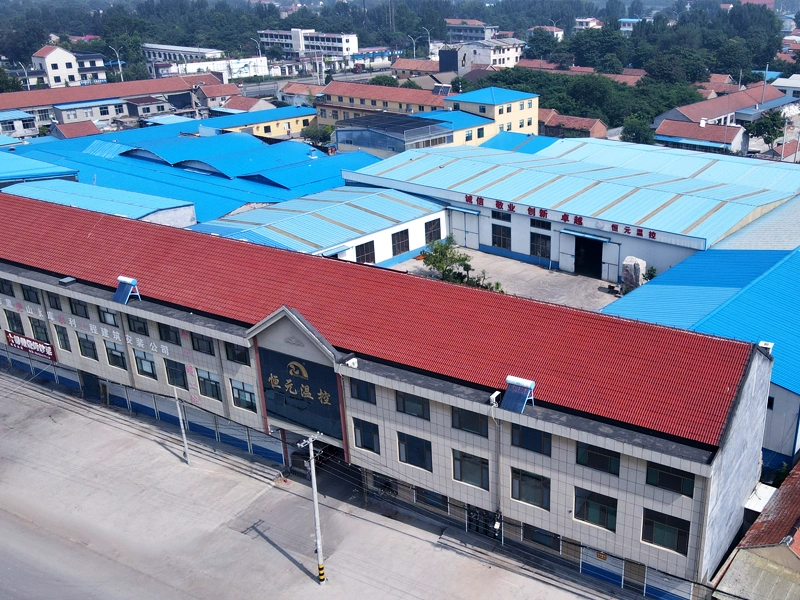
For many years, it has been committed to the development and promotion of national environmental protection and energy-saving products. It is a high-tech enterprise specializing in the production of environmental control-related equipment and technical services.
-
Blog
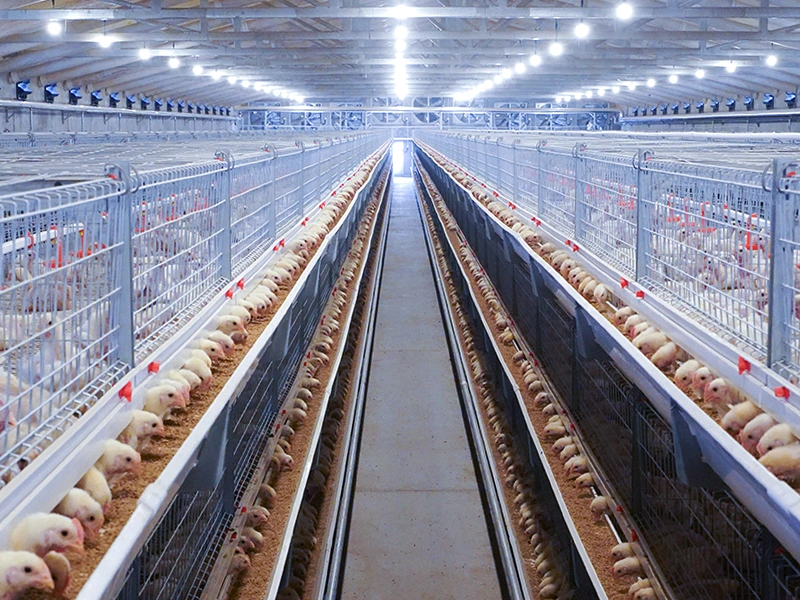
The company's goal is to provide customers with the best solutions for temperature and humidity control, to provide high-quality production and living environments for your greenhouses, livestock and poultry houses, industrial plants, etc., and to create the best benefits for you!
What Are the Impact of Farrowing House Exhaust Fans on Pig Growth Rates
Release time:
2025-09-16
Understanding Farrowing Houses and Their Importance
Farrowing houses serve as the birthing and nursing area for sows and their piglets. The design and management of these facilities directly impact not only the comfort of the sows but also the growth and development of piglets.
The Role of Temperature and Humidity
Maintaining appropriate temperature and humidity levels is essential for the health and growth of piglets. When temperatures are too high or too low, it can lead to stress, disease, and ultimately reduced growth rates.
- Optimal Temperature: For newborn piglets, the ideal temperature range is typically between 85°F to 95°F. If the environment becomes too hot, piglets may experience heat stress, affecting their feeding patterns and overall growth.
- Humidity Control: High humidity levels can lead to respiratory problems and other health issues, further hampering growth.

How Exhaust Fans Work
Exhaust fans are essential in removing stale air and introducing fresh air into the farrowing house. This process helps regulate temperature and humidity, creating a healthier environment for piglets.
- Air Exchange Rate: A proper air exchange rate is crucial for effective ventilation. Exhaust fans should be strategically placed to ensure even air distribution, avoiding dead spots where air does not circulate adequately.
- Energy Efficiency: Modern exhaust fans are designed to be energy-efficient while providing adequate airflow, reducing operational costs for farmers.
The Connection Between Ventilation and Pig Growth Rates
Numerous studies have indicated a strong correlation between ventilation quality and the growth performance of pigs.
Improved Feed Conversion Ratios
A well-ventilated environment leads to better feed conversion ratios (FCR). When pigs are comfortable, they tend to eat more and utilize feed more efficiently.
- Behavioral Observations: Pigs in environments with optimal ventilation display less aggression and stress, leading to better weight gain.
- Health Benefits: Effective ventilation reduces the incidence of respiratory diseases, which can severely impact growth rates.
Stress Reduction and Its Effects on Growth
Stress is a significant factor that can hinder pig growth.
- Physical Stressors: Factors such as high temperatures, humidity, and poor air quality contribute to stress. Exhaust fans help mitigate these stressors by ensuring a comfortable environment.
- Psychological Stressors: A calm environment promotes social stability among pigs, enabling them to grow more effectively.
Designing an Effective Exhaust Fan System
When considering the installation or upgrade of exhaust fans in a farrowing house, several factors must be taken into account.
Fan Placement and Size
Proper placement and sizing of exhaust fans are critical to achieving the desired airflow and air exchange rates.
- Strategic Placement: Fans should be installed to enhance airflow across all areas of the farrowing house, ensuring no dead zones.
- Sizing: The size of the exhaust fans must be matched to the volume of the facility. Oversized or undersized fans can lead to inadequate ventilation and increased energy costs.
Automation and Control Systems
Integrating automation into the ventilation system can greatly enhance its effectiveness.
- Temperature Sensors: Installing sensors allows for real-time monitoring of temperature and humidity levels, enabling fans to operate optimally based on current conditions.
- Variable Speed Fans: These fans adjust their speed based on the environmental conditions, maintaining optimal airflow without wasting energy.
Case Studies: The Impact of Exhaust Fans on Pig Growth
Real-world examples can illustrate the significant effects of exhaust fans on pig growth rates.
Case Study 1: A Midwest Farrowing Facility
In a Midwest farrowing facility, the implementation of high-efficiency exhaust fans resulted in a noticeable improvement in piglet growth rates.
- Results: Post-installation data showed a 15% increase in average daily gain (ADG) among piglets within the first few weeks of life compared to previous years without proper ventilation.
- Feedback from Farmers: Farmers reported healthier piglets with fewer health complications, leading to reduced veterinary costs.
Case Study 2: A Southern Swine Operation
A southern swine operation faced challenges with heat stress in the summer months. After installing a modern exhaust fan system, the results were remarkable.
- Results: The operation saw a 20% reduction in heat stress-related mortality rates in piglets and a 10% increase in overall growth rates.
- Long-term Benefits: Enhanced animal welfare led to increased profitability, proving the value of investing in proper ventilation.
Best Practices for Maintaining Exhaust Fans
To ensure the longevity and effectiveness of exhaust fans, regular maintenance is crucial.
Routine Inspections
Conducting routine inspections helps identify potential issues before they become significant problems.
- Check for Obstructions: Ensure that airflow is unobstructed and that the fans are free of dust and debris.
- Monitor Performance: Regularly check the performance of the fans to ensure they are operating at optimal levels.
Annual Maintenance Checks
Scheduling annual maintenance checks can prevent unexpected failures and extend the life of the equipment.
- Professional Services: Hiring professionals for in-depth checks can ensure all components are functioning correctly and efficiently.
The impact of farrowing house exhaust fans on pig growth rates cannot be overstated. With the right ventilation system in place, farmers can create a comfortable environment that promotes health, reduces stress, and enhances growth. By investing in proper ventilation strategies, including the installation of high-quality exhaust fans and routine maintenance, producers can significantly improve their operations' efficiency and profitability. Ultimately, the well-being of the pigs leads to successful swine production, ensuring the sustainability of the industry.
recommend Content
2025-04-24
Share

Engaged in all kinds of cooling heating and animal husbandry equipment
Qingzhou Ventimax Equipment Co.,Ltd.
Economic Development zone,Qingzhou,China