
-

Products
Main products include: large-scale livestock fans, large-scale greenhouse dedicated fans, industrial plant dedicated fans, circulation fans, roof automatic ventilators and other ventilation and cooling systems; wet curtains - fans, cold fans and other cooling and humidification systems; coal (fuel oil, electricity, gas) hot air fans, exhaust fans and other heating systems; feed towers, feed lines and other feeding systems; animal husbandry cage systems; scraper conveyor manure removal machines, belt conveyor manure removal machines and other manure removal systems.
-
About Us
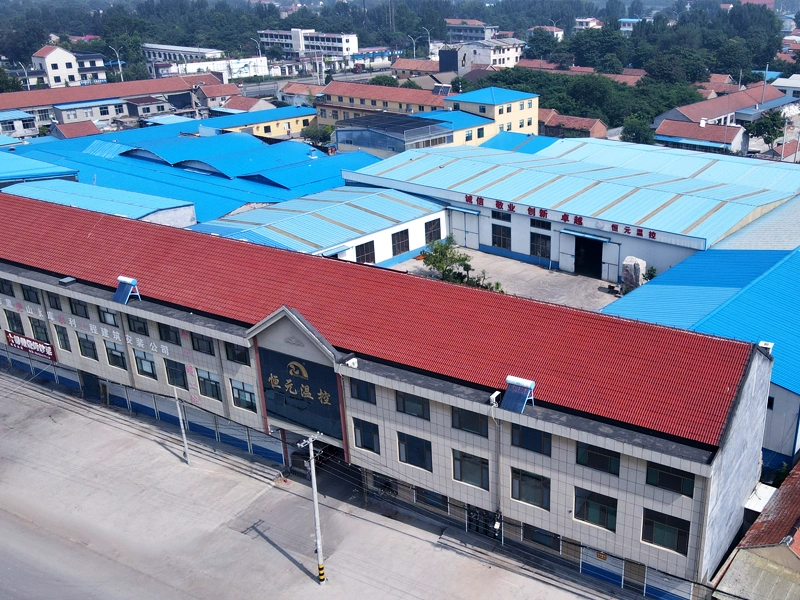
For many years, it has been committed to the development and promotion of national environmental protection and energy-saving products. It is a high-tech enterprise specializing in the production of environmental control-related equipment and technical services.
-
Blog
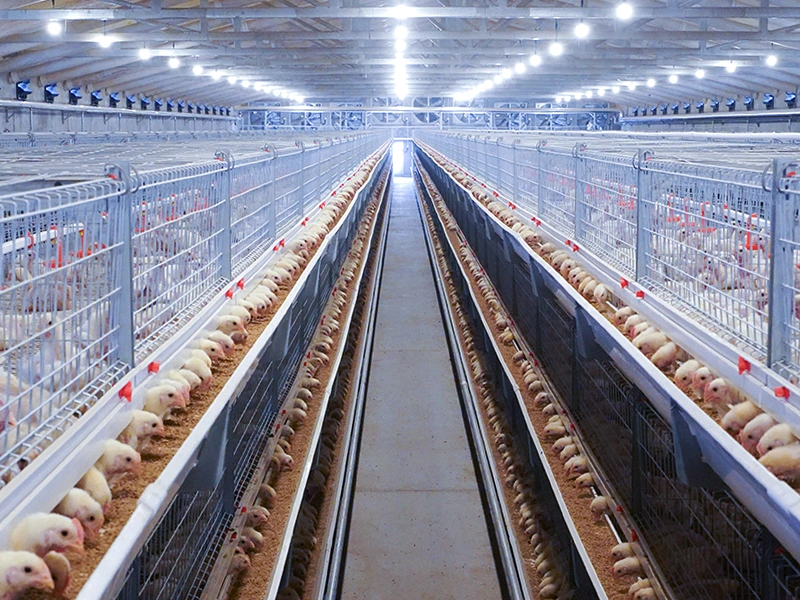
The company's goal is to provide customers with the best solutions for temperature and humidity control, to provide high-quality production and living environments for your greenhouses, livestock and poultry houses, industrial plants, etc., and to create the best benefits for you!
Feeding System: Advanced Solutions for Efficient, Precise, and Sustainable Livestock Nutrition
Release time:
2026-01-06
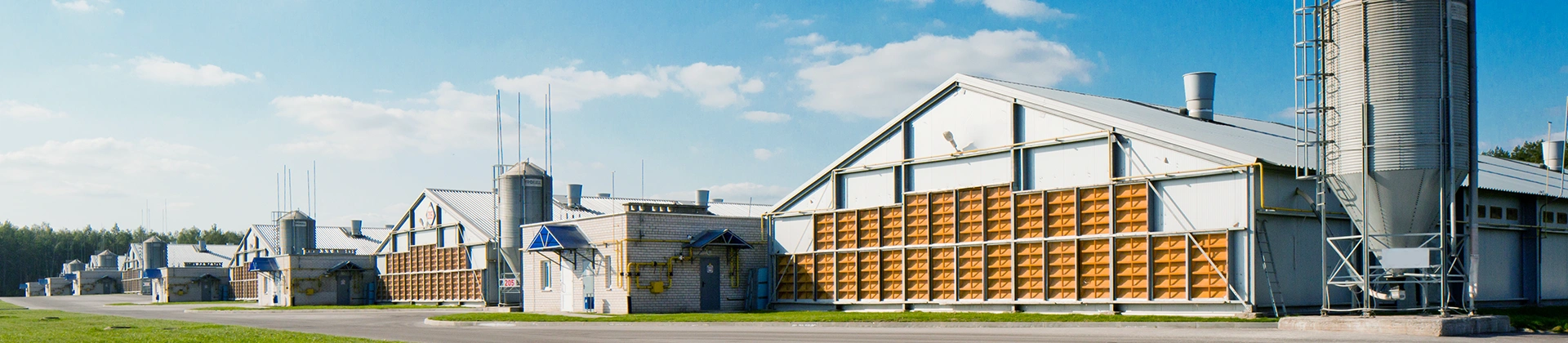
In modern livestock and poultry farming, efficient nutrition delivery is critical for animal health, growth, and overall farm profitability. The feeding system has become an indispensable solution for farmers seeking precision, automation, and reliability in feeding operations. As global demand for animal protein increases and farm operations scale up, traditional manual feeding methods are no longer sufficient. A well-designed feeding system ensures that animals receive consistent, balanced nutrition while minimizing waste and labor costs, ultimately supporting higher productivity and sustainability.
The main advantage of a feeding system lies in its automation and precision. Modern systems utilize programmable controls, sensors, and timing mechanisms to deliver exact amounts of feed to each pen, cage, or tank. This eliminates overfeeding and underfeeding, which can lead to health issues, uneven growth, and increased feed costs. High-quality systems are constructed from durable, corrosion-resistant materials suitable for harsh farm environments, ensuring long-term reliability and minimal maintenance. Flexible designs accommodate various feed types, including pellets, powders, or mash, making them suitable for poultry, swine, cattle, and aquaculture operations.
Beyond basic feed delivery, feeding systems improve operational efficiency. Automated systems save time and labor, freeing staff to focus on monitoring animal health and other critical farm tasks. Consistent feed distribution promotes uniform growth rates, healthier livestock, and better feed conversion ratios, translating into higher yields and improved profitability. Some advanced systems also integrate with farm management software, allowing real-time monitoring, record-keeping, and remote adjustments to feeding schedules, providing data-driven insights for optimal herd management.

Real-world applications demonstrate the tangible benefits of feeding systems. In a large poultry farm, implementing an automated feeding system reduced feed waste by over 15% and increased growth uniformity among birds, resulting in higher market value per flock. Similarly, a swine operation using a programmable feeding system achieved faster growth rates while lowering labor costs, improving both efficiency and animal welfare. In aquaculture, precision feeding systems minimize overfeeding, reduce water contamination, and promote healthier fish growth, aligning with environmental sustainability goals.
For farmers, the feeding system addresses key challenges: inconsistent feed distribution, high labor requirements, feed waste, uneven animal growth, and difficulty in monitoring large operations. By automating feed delivery and ensuring precise nutrition, the system alleviates these pain points, resulting in healthier livestock, reduced operational costs, and more predictable production outcomes. It also provides the flexibility to adapt to different species, feed types, and farm sizes, ensuring long-term investment value.
In conclusion, the feeding system is a critical innovation in modern livestock management, combining automation, precision, and durability to optimize nutrition delivery. It enhances animal health, growth performance, and farm productivity while reducing waste and labor requirements. Whether for poultry, swine, cattle, or aquaculture, investing in a high-quality feeding system provides reliable, efficient, and sustainable nutrition solutions that drive both operational and economic success. This technology not only streamlines daily farm operations but also supports long-term sustainability and profitability in the competitive livestock industry.
recommend Content
2025-04-24
Share

Engaged in all kinds of cooling heating and animal husbandry equipment
Qingzhou Ventimax Equipment Co.,Ltd.
Economic Development zone,Qingzhou,China