
-

Products
Main products include: large-scale livestock fans, large-scale greenhouse dedicated fans, industrial plant dedicated fans, circulation fans, roof automatic ventilators and other ventilation and cooling systems; wet curtains - fans, cold fans and other cooling and humidification systems; coal (fuel oil, electricity, gas) hot air fans, exhaust fans and other heating systems; feed towers, feed lines and other feeding systems; animal husbandry cage systems; scraper conveyor manure removal machines, belt conveyor manure removal machines and other manure removal systems.
-
About Us
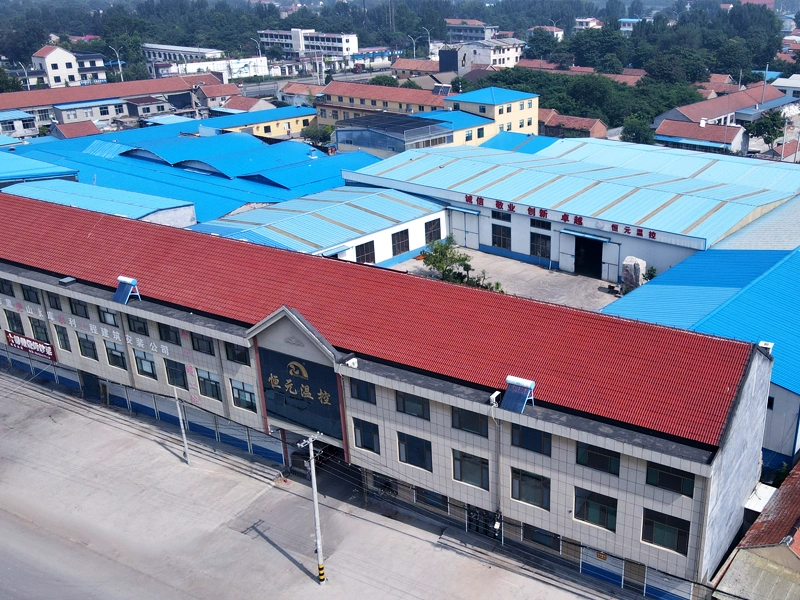
For many years, it has been committed to the development and promotion of national environmental protection and energy-saving products. It is a high-tech enterprise specializing in the production of environmental control-related equipment and technical services.
-
Blog
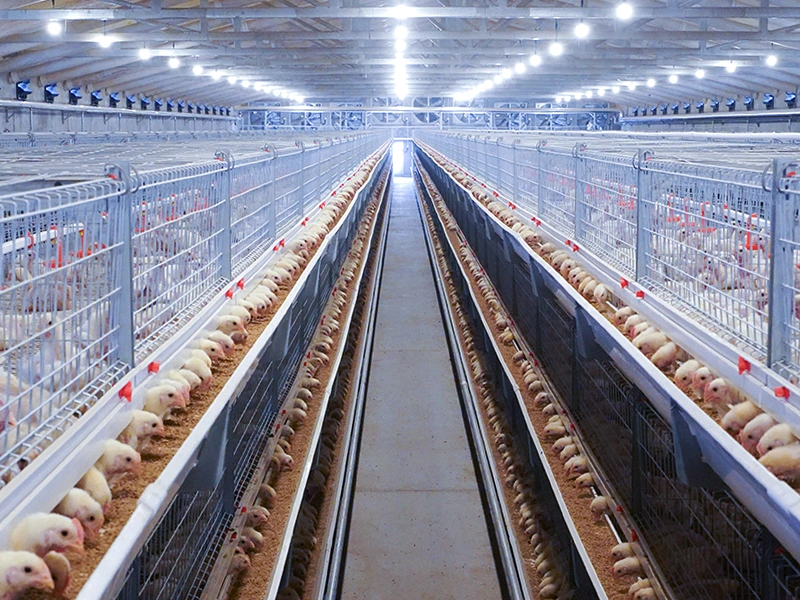
The company's goal is to provide customers with the best solutions for temperature and humidity control, to provide high-quality production and living environments for your greenhouses, livestock and poultry houses, industrial plants, etc., and to create the best benefits for you!
Troubleshooting Common Issues with Farrowing House Exhaust Fans: A Comprehensive Guide
Release time:
2026-01-07
Troubleshooting Common Issues with Farrowing House Exhaust Fans
Maintaining a healthy environment in a farrowing house is crucial for the welfare of both sows and piglets. One of the critical components of this environment is the exhaust fan system, which helps regulate temperature and air quality. However, like any mechanical system, exhaust fans can encounter problems. In this guide, we will explore the common issues associated with farrowing house exhaust fans and provide detailed troubleshooting steps to ensure their optimal performance.
Understanding the Importance of Exhaust Fans in Farrowing Houses
Exhaust fans play a vital role in managing airflow in farrowing houses. They help maintain ideal temperatures and humidity levels, which are essential for the health and growth of the animals. Without properly functioning exhaust fans, the risk of heat stress increases, compromising the overall productivity of the farm.
Key Functions of Exhaust Fans
- Temperature Regulation: Exhaust fans help expel hot air, keeping the environment comfortable.
- Humidity Control: They assist in removing excess moisture, which can lead to respiratory issues in pigs.
- Odor Management: Proper ventilation helps control unpleasant odors, improving overall air quality.
Common Issues with Farrowing House Exhaust Fans
Identifying the problems with exhaust fans early can prevent more significant issues down the line. Here are some common issues that farm operators often encounter.
1. Fan Not Running
One of the most apparent problems is when the exhaust fan fails to operate. This issue can stem from various causes, such as electrical problems, mechanical failure, or control system malfunctions.
Potential Causes and Solutions
- Power Supply Issues: Check circuit breakers and ensure the fan is receiving power. If there is a blown fuse, replace it.
- Faulty Motor: Inspect the motor for signs of damage. If it’s burnt out, it may need replacement.
- Control System Failure: Review the control panel settings and reset if necessary. If the panel is damaged, consider replacement.
2. Inadequate Airflow
Even when a fan is running, it might not be providing adequate airflow. This situation can lead to poor ventilation and elevated temperatures.
Diagnosis and Fixes
- Obstructions: Check for debris or dirt blocking the fan blades or intake. Clean thoroughly.
- Fan Size and Capacity: Ensure the fan is appropriately sized for the space. An undersized fan may not meet airflow requirements.
- Static Pressure Issues: Measure the static pressure in the system. Adjust ducting or fan placement as needed.
3. Unusual Noises
Noises from exhaust fans can indicate underlying problems. Common sounds include grinding, rattling, or humming.
Troubleshooting Noises
- Loose Components: Inspect all screws and bolts. Tighten any loose parts to reduce vibrations.
- Worn Bearings: Check the bearings for wear. If they are damaged, they must be replaced immediately.
- Imbalanced Blades: Ensure that fan blades are balanced. Adjust or replace them if necessary.
4. Increased Energy Consumption
When exhaust fans start consuming more energy than usual, it's a sign that something is amiss. This issue often signifies inefficiencies within the system.
Identifying Energy Issues
- Dirty Filters: Clean or replace air filters regularly to improve efficiency.
- Fan Speed Settings: Check if the fans are operating at optimal speed. Adjust settings if necessary.
- Mechanical Resistance: Look for mechanical issues causing increased resistance, such as misalignment or binding.
Preventive Maintenance for Exhaust Fans
Regular maintenance is key to preventing issues with exhaust fans. Implementing a thorough maintenance schedule can help extend the lifespan of the equipment and ensure its efficient operation.
Regular Inspection and Cleaning
Schedule routine inspections of the exhaust fan system. Look for signs of wear and tear, and clean any accumulated dust and debris. This practice helps maintain optimal airflow and reduces the risk of mechanical failure.
Monthly Maintenance Checklist
- Inspect electrical connections for corrosion or damage.
- Clean fan blades and housing to ensure unobstructed airflow.
- Lubricate moving parts to reduce friction and wear.
- Test the fan's operational efficiency and static pressure.
Upgrading Fan Systems
As technology improves, consider upgrading older fan systems to newer, more efficient models. Energy-efficient fans can significantly reduce operating costs and enhance performance.
Expert Tips for Effective Troubleshooting
When troubleshooting issues with exhaust fans, it’s essential to follow a systematic approach to identify and resolve problems effectively.
1. Documenting Issues
Keep a log of any problems encountered, including symptoms, frequency, and conditions when issues arise. This documentation can be invaluable for identifying patterns and troubleshooting effectively.
2. Consulting Professionals
If problems persist despite your efforts, don’t hesitate to consult with HVAC professionals who specialize in agricultural systems. Their expertise can save you time and prevent costly mistakes.
3. Training Staff
Ensure that all staff members are trained in basic troubleshooting techniques. Empowering your team to address minor issues can help maintain efficient operations.
Frequently Asked Questions (FAQs)
1. What are the signs that my exhaust fan is not working properly?
Common signs include unusual noises, inadequate airflow, and the fan not running at all.
2. How often should I perform maintenance on my exhaust fans?
Regular maintenance should be performed monthly, with thorough inspections scheduled quarterly.
3. Can I repair my exhaust fan myself, or should I hire a professional?
Minor repairs and maintenance can be performed by trained staff, but complex issues should be handled by professionals.
4. What is the average lifespan of an exhaust fan in a farrowing house?
With proper maintenance, exhaust fans can last between 10 to 15 years, depending on usage and environmental conditions.
5. Are energy-efficient exhaust fans worth the investment?
Yes, energy-efficient models can significantly reduce energy costs and improve airflow, making them a worthwhile investment.
Conclusion
Maintaining the functionality of exhaust fans in a farrowing house is essential for the health and productivity of the livestock. By understanding common issues and implementing a regular maintenance schedule, operators can ensure optimal performance and efficiency. Remember to document problems and consult professionals when necessary, and consider upgrading to more efficient systems to enhance your farm's ventilation strategy. With the right approach, you can troubleshoot common issues effectively and maintain a healthy environment for your sows and piglets.
recommend Content
2025-04-24
Share

Engaged in all kinds of cooling heating and animal husbandry equipment
Qingzhou Ventimax Equipment Co.,Ltd.
Economic Development zone,Qingzhou,China