
-

Products
Main products include: large-scale livestock fans, large-scale greenhouse dedicated fans, industrial plant dedicated fans, circulation fans, roof automatic ventilators and other ventilation and cooling systems; wet curtains - fans, cold fans and other cooling and humidification systems; coal (fuel oil, electricity, gas) hot air fans, exhaust fans and other heating systems; feed towers, feed lines and other feeding systems; animal husbandry cage systems; scraper conveyor manure removal machines, belt conveyor manure removal machines and other manure removal systems.
-

About Us
For many years, it has been committed to the development and promotion of national environmental protection and energy-saving products. It is a high-tech enterprise specializing in the production of environmental control-related equipment and technical services.
-
Blog
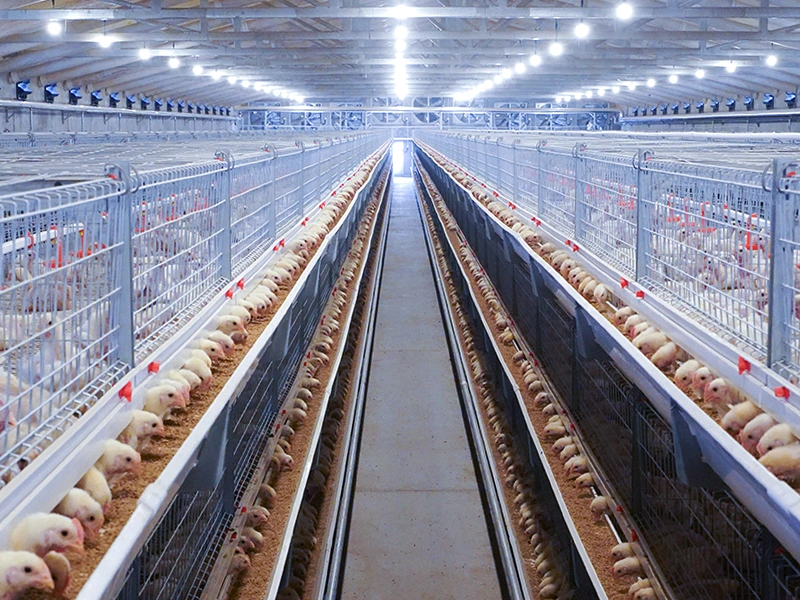
The company's goal is to provide customers with the best solutions for temperature and humidity control, to provide high-quality production and living environments for your greenhouses, livestock and poultry houses, industrial plants, etc., and to create the best benefits for you!
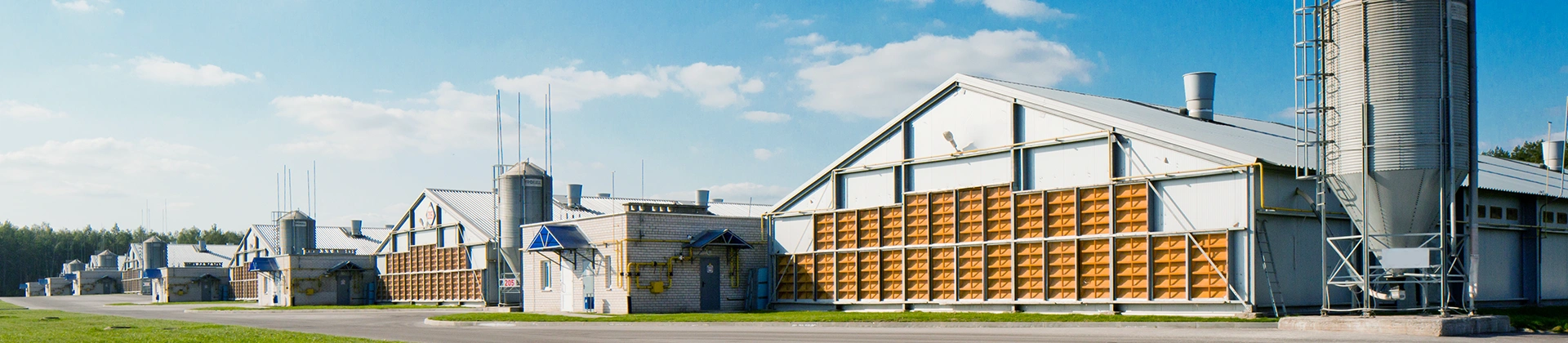
Maximize Your Barn's Airflow: Discover the Benefits of Quality High Airflow Exhaust Fans
Release time:
2026-01-01
Maximize Your Barn's Airflow: Top Benefits of Quality High Airflow Exhaust Fans
Maintaining optimal airflow in agricultural settings is crucial for ensuring the health and productivity of livestock. In this article, we explore how quality high airflow exhaust fans can transform your barn environment. We will cover essential benefits, installation tips, maintenance advice, and much more to help you make informed decisions about your barn's ventilation system. Let’s dive into the details!
Table of Contents
- 1. Benefits of High Airflow Exhaust Fans
- 2. Improved Air Quality and Health of Livestock
- 3. Energy Efficiency and Cost Savings
- 4. Reduced Humidity Levels
- 5. Increased Productivity and Growth Rates
- 6. Installing High Airflow Exhaust Fans
- 7. Maintenance Tips for Longevity
- 8. Frequently Asked Questions
1. Benefits of High Airflow Exhaust Fans
High airflow exhaust fans play a pivotal role in barns. These fans are specifically designed to move large volumes of air quickly and efficiently. Here are the significant benefits:
2. Improved Air Quality and Health of Livestock
Maintaining excellent air quality is essential for livestock health. High airflow exhaust fans effectively remove harmful gases, such as ammonia and carbon dioxide, from the barn atmosphere. This leads to a cleaner, healthier environment that reduces respiratory issues among animals. Additionally, improved air quality contributes to better feed conversion ratios, ultimately leading to healthier livestock and higher yields.
3. Energy Efficiency and Cost Savings
Investing in quality exhaust fans can lead to significant energy savings. Modern high airflow exhaust fans are designed with energy-efficient motors that consume less power while delivering powerful airflow. By optimizing energy usage, barn owners can lower their utility bills, making these fans not just an investment in animal welfare but also in operational efficiency.
4. Reduced Humidity Levels
High humidity can create a breeding ground for pathogens and pests. High airflow exhaust fans help regulate humidity levels by promoting constant air circulation. This is particularly important in barns housing animals that generate moisture through respiration and waste. By controlling humidity, these fans aid in maintaining a dry environment, which is essential for preventing disease outbreaks and ensuring animal comfort.
5. Increased Productivity and Growth Rates
When livestock are comfortable and healthy, productivity naturally increases. High airflow exhaust fans contribute to a stable climate that encourages optimal growth rates. Animals that are not stressed by heat or poor air quality tend to feed better, grow faster, and produce more milk or meat. Barns equipped with high airflow fans can see substantial improvements in overall productivity metrics.
6. Installing High Airflow Exhaust Fans
Proper installation of high airflow exhaust fans is critical to maximizing their benefits. Here are a few key considerations for installation:
Choose the Right Size
Selecting the right size and capacity for your barn is essential. Fans should be capable of moving the required volume of air based on the size and layout of your barn. Consult with a ventilation expert to determine the ideal specifications for your setup.
Optimal Placement
The placement of exhaust fans significantly impacts their performance. Fans should be positioned to create effective air movement throughout the barn, focusing on areas where heat and humidity accumulate. Strategically placed fans can ensure a balanced airflow that benefits all areas of the barn.
Consider Intake Vents
Exhaust fans work best in conjunction with properly positioned intake vents. Ensure that there is a well-designed system that allows fresh air to enter the barn while stale air is removed. This balance is critical for achieving optimal ventilation.
7. Maintenance Tips for Longevity
To keep your high airflow exhaust fans operating efficiently, regular maintenance is essential. Here are some tips to ensure longevity:
Regular Cleaning
Dust and debris can accumulate on fan blades and motors, reducing efficiency. Regularly inspect and clean the fans to ensure they operate at peak performance.
Check for Wear and Tear
Inspect the fans for any signs of wear or damage. Address any issues promptly to avoid costly repairs or replacements.
Lubrication
Many exhaust fans require periodic lubrication to keep the motors running smoothly. Follow the manufacturer's recommendations regarding lubrication schedules and types of lubricants to use.
8. Frequently Asked Questions
What size exhaust fan do I need for my barn?
The size of the exhaust fan you need depends on the barn's dimensions and the number of animals housed. It's essential to consult with a ventilation expert to determine the correct fan size for your specific situation.
How often should I clean my exhaust fans?
It's advisable to clean your exhaust fans at least once every few months, or more frequently if they are located in particularly dusty environments.
Can high airflow exhaust fans help with odor control?
Yes, high airflow exhaust fans can significantly enhance odor control by continuously removing stale air and replacing it with fresh air, reducing the buildup of unpleasant smells.
Do I need professional installation for exhaust fans?
While some barn owners may choose to install exhaust fans themselves, professional installation can ensure optimal placement and efficiency, especially if you are unfamiliar with ventilation systems.
What maintenance do high airflow exhaust fans require?
Regular maintenance includes cleaning, checking for wear and tear, and lubricating motors as per the manufacturer’s recommendations to ensure long-lasting performance.
Conclusion
Maximizing airflow in your barn is crucial for the health and productivity of your livestock. Quality high airflow exhaust fans provide numerous benefits, including improved air quality, energy efficiency, reduced humidity, and increased productivity. By carefully selecting, installing, and maintaining these fans, you can create a comfortable environment that supports the well-being of your animals and enhances your overall farming operations. Investing in these fans is not just about today; it’s about ensuring a sustainable and productive future for your barn.
recommend Content
2025-04-24
Share

Engaged in all kinds of cooling heating and animal husbandry equipment
Qingzhou Ventimax Equipment Co.,Ltd.
Economic Development zone,Qingzhou,China