
-

Products
Main products include: large-scale livestock fans, large-scale greenhouse dedicated fans, industrial plant dedicated fans, circulation fans, roof automatic ventilators and other ventilation and cooling systems; wet curtains - fans, cold fans and other cooling and humidification systems; coal (fuel oil, electricity, gas) hot air fans, exhaust fans and other heating systems; feed towers, feed lines and other feeding systems; animal husbandry cage systems; scraper conveyor manure removal machines, belt conveyor manure removal machines and other manure removal systems.
-
About Us
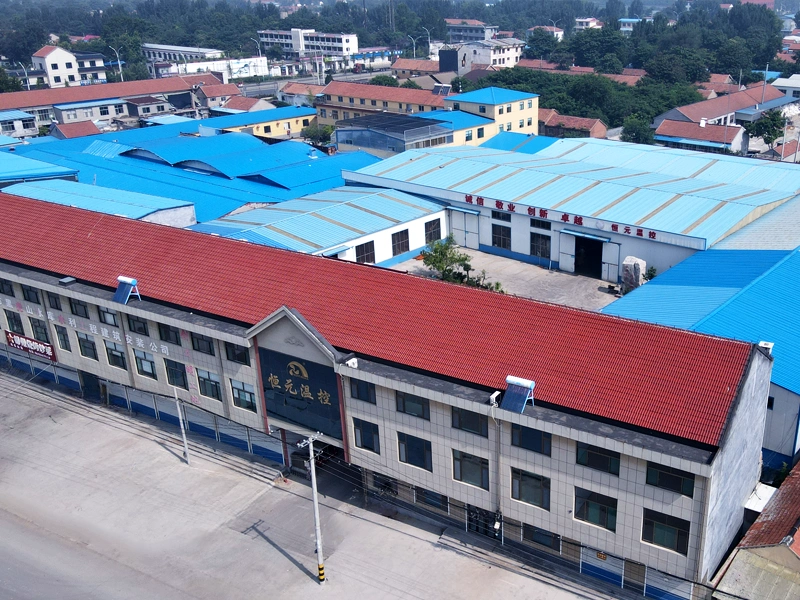
For many years, it has been committed to the development and promotion of national environmental protection and energy-saving products. It is a high-tech enterprise specializing in the production of environmental control-related equipment and technical services.
-
Blog
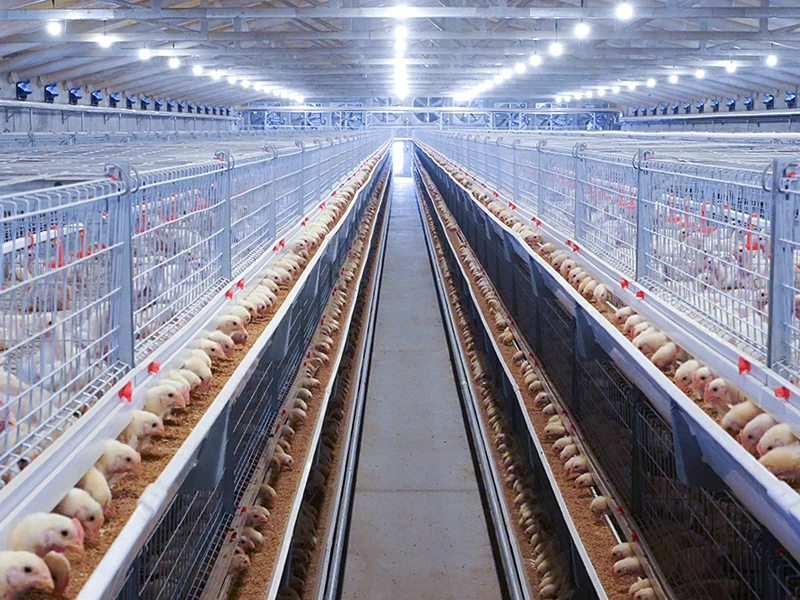
The company's goal is to provide customers with the best solutions for temperature and humidity control, to provide high-quality production and living environments for your greenhouses, livestock and poultry houses, industrial plants, etc., and to create the best benefits for you!
Enhancing Swine Barn Efficiency: The Importance of Ventilation Shutters
Release time:
2026-06-10
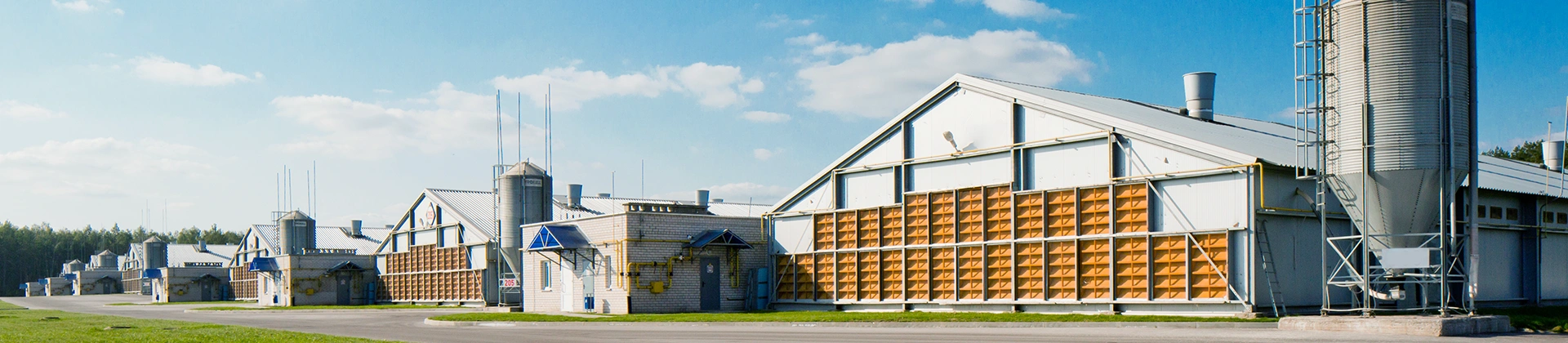
Ventilation shutters are designed to regulate the intake of fresh air into the barn while allowing stale air, excess moisture, and harmful gases to escape. The optimal functioning of these shutters is vital for several reasons. Firstly, they help maintain appropriate temperature levels, which is essential for the comfort of pigs. Swine are sensitive to extreme temperatures, and inadequate ventilation can lead to heat stress, reducing their growth rates and overall health. Properly designed and installed ventilation shutters ensure that fresh air is consistently introduced, helping to stabilize barn temperatures.
Moreover, these shutters play a significant role in controlling humidity levels within the barn. High humidity can lead to respiratory issues and the proliferation of harmful pathogens. By effectively managing the moisture content in the air, swine barn ventilation shutters contribute to a healthier environment, reducing the risks of disease outbreaks and promoting better overall swine health.
Another critical aspect of swine barn ventilation shutters is their impact on energy efficiency. In modern agricultural practices, energy consumption is a significant concern. By utilizing well-designed ventilation systems, farmers can achieve better airflow without relying heavily on mechanical ventilation systems, thereby reducing energy costs. Shutters that can be adjusted based on the weather conditions can further enhance this efficiency, ensuring that energy is used effectively while maintaining optimal barn conditions.
When considering the installation of ventilation shutters, it is essential to evaluate the design and positioning carefully. Factors such as barn size, layout, and local climate conditions will influence how these shutters should be integrated into the overall ventilation strategy. Consulting with experts in agricultural building design can provide valuable insights into the most effective practices for implementation.
In conclusion, swine barn ventilation shutters are indispensable for ensuring a healthy and productive environment for livestock. By effectively managing airflow, temperature, and humidity, these shutters play a vital role in the success of swine production. Farmers looking to improve their operations should consider investing in quality ventilation solutions, recognizing the long-term benefits for both animal health and operational efficiency.
recommend Content
2025-04-24
Share

Engaged in all kinds of cooling heating and animal husbandry equipment
Qingzhou Ventimax Equipment Co.,Ltd.
Economic Development zone,Qingzhou,China