
-
Products
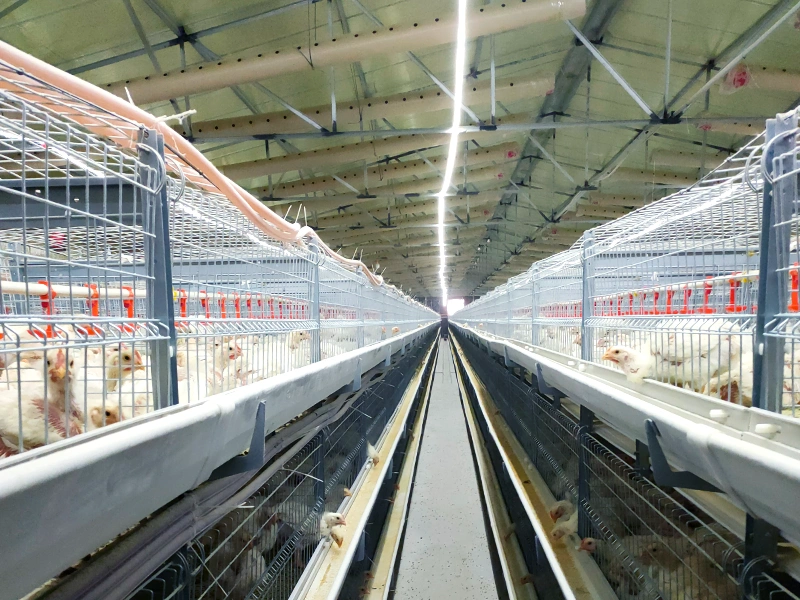
Main products include: large-scale livestock fans, large-scale greenhouse dedicated fans, industrial plant dedicated fans, circulation fans, roof automatic ventilators and other ventilation and cooling systems; wet curtains - fans, cold fans and other cooling and humidification systems; coal (fuel oil, electricity, gas) hot air fans, exhaust fans and other heating systems; feed towers, feed lines and other feeding systems; animal husbandry cage systems; scraper conveyor manure removal machines, belt conveyor manure removal machines and other manure removal systems.
-
About Us
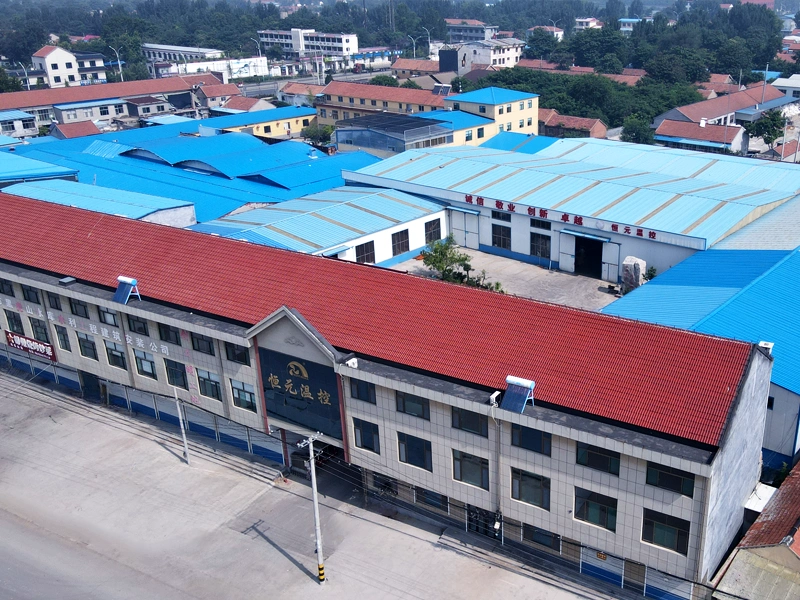
For many years, it has been committed to the development and promotion of national environmental protection and energy-saving products. It is a high-tech enterprise specializing in the production of environmental control-related equipment and technical services.
-
Blog
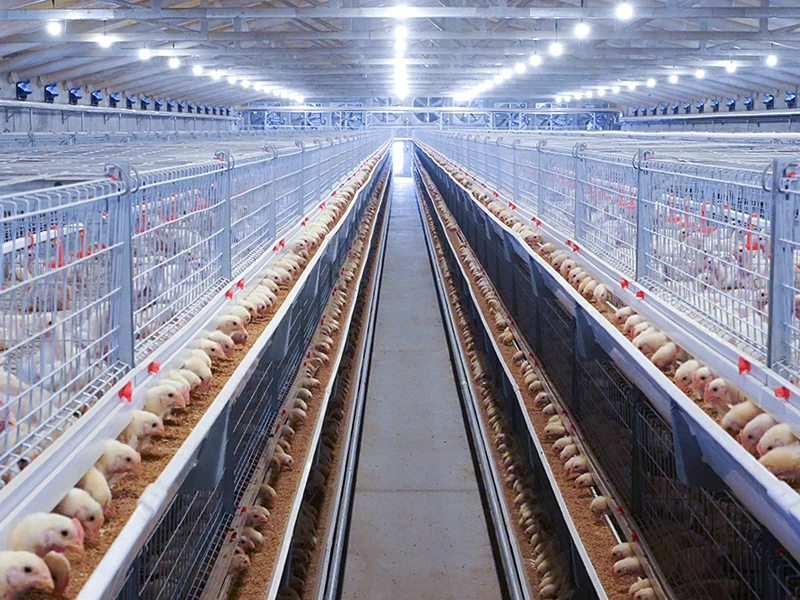
The company's goal is to provide customers with the best solutions for temperature and humidity control, to provide high-quality production and living environments for your greenhouses, livestock and poultry houses, industrial plants, etc., and to create the best benefits for you!
How to Choose the Best Location for Your Farrowing House Exhaust Fan
Release time:
2026-06-07
How to Choose the Best Location for Your Farrowing House Exhaust Fan
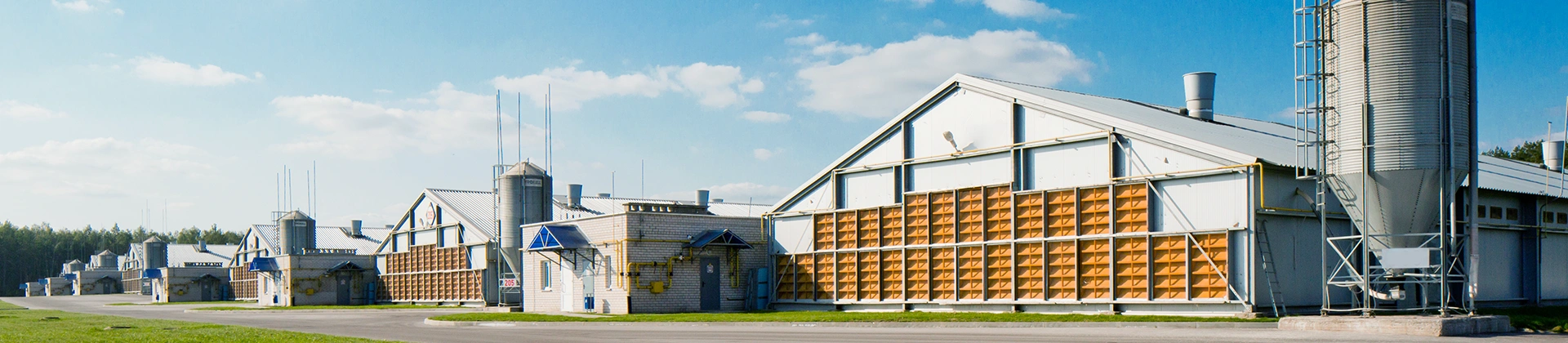
In the realm of modern pig farming, ensuring optimal airflow and ventilation within a farrowing house is crucial for the health and well-being of both sows and piglets. A well-placed exhaust fan can significantly improve air quality, reduce humidity, and help maintain the ideal temperature within the facility. This comprehensive guide will delve into the critical factors that influence the best location for your farrowing house exhaust fan, ensuring you make an informed decision.
Understanding the Importance of Proper Exhaust Fan Placement
The placement of an exhaust fan in a farrowing house is not merely a matter of convenience; it is a critical element affecting overall farm performance and animal welfare. A properly positioned exhaust fan can assist in:
1. Enhancing Air Quality
Poor air quality can lead to respiratory issues in pigs, impacting their growth and productivity. By strategically positioning your exhaust fan, you can facilitate better air circulation, effectively removing stale air, odors, and airborne pathogens from the environment.
2. Regulating Temperature and Humidity
Temperature and humidity control are vital in farrowing houses. An exhaust fan that is well-placed helps dissipate excess heat and moisture, creating a more comfortable environment for sows during farrowing and nursing.
3. Increasing Productivity
Healthy animals are productive animals. By ensuring optimal ventilation through effective exhaust fan placement, you promote better growth rates and overall health in your herd, translating to increased profitability.
Key Factors to Consider for Exhaust Fan Location
When determining the ideal location for your farrowing house exhaust fan, several key factors must be considered.
1. Airflow Dynamics
Airflow dynamics is one of the most important considerations. Understanding how air moves within your farrowing house can help you determine the best fan placement.
1.1 Understanding Wind Direction
Evaluate the prevailing wind direction in your area. Positioning your exhaust fan in a way that utilizes natural wind patterns can help enhance airflow and improve system efficiency.
1.2 Avoiding Dead Zones
Identify potential dead zones within your facility where air circulation is limited. Avoid placing the exhaust fan in these areas, as it would not contribute effectively to overall ventilation.
2. Structural Considerations
The structural layout of your farrowing house also plays a significant role in fan placement.
2.1 Ceiling Height and Design
Consider the height and design of your building. High ceilings may require different fan placements compared to standard height buildings. Ensure the fan is installed at a height that allows for effective air distribution.
2.2 Proximity to Windows and Doors
Evaluate the proximity of windows and doors. Position the exhaust fan to avoid interference with these openings, which can disrupt airflow patterns and reduce efficiency.
3. Noise and Disturbance
Farrowing houses require a calm environment to ensure sows do not experience unnecessary stress. Consider the noise levels produced by the exhaust fan and position it in a way that minimizes disturbance to the animals.
Types of Exhaust Fans for Farrowing Houses
There are several types of exhaust fans available for agricultural use. Understanding these options can help you make a more informed decision regarding the best choice for your farrowing house.
1. Centrifugal Fans
Centrifugal fans are known for their ability to handle high static pressure environments. They are suitable for larger farrowing houses where greater air movement is required.
2. Axial Fans
Axial fans are ideal for lower static pressure applications and are often used in smaller farrowing houses. They are known for their energy efficiency and low operating costs.
3. Mixed Flow Fans
Mixed flow fans combine the features of centrifugal and axial fans, providing balanced performance in various conditions. They are versatile and can be effective in mid-sized farrowing houses.
Best Practices for Installing Exhaust Fans
Proper installation is key to maximizing the efficiency of your exhaust fan. Follow these best practices to ensure successful installation:
1. Ensure Proper Sealing
Seal any gaps around the fan installation to prevent air leaks. Proper sealing enhances fan efficiency by ensuring that all the air being exhausted is drawn from within the farrowing house.
2. Conduct Regular Maintenance
Establish a routine maintenance schedule for your exhaust fans. Regular inspections and cleaning can help prevent operational issues and maintain optimal performance.
3. Utilize Variable Speed Controls
Consider using variable speed controls for your exhaust fans. These controls allow you to adjust the fan speed based on current environmental conditions, improving energy efficiency and performance.
Monitoring Performance and Making Adjustments
After installation, monitoring the performance of your exhaust fan is essential. This can be done through:
1. Temperature and Humidity Gauges
Install gauges to monitor temperature and humidity levels within the farrowing house. This data will help you determine if adjustments to fan placement or operation are necessary.
2. Animal Behavior Observation
Observe the behavior of your sows and piglets. Restlessness or signs of heat stress may indicate the need to reevaluate your ventilation strategy.
3. Air Quality Testing
Conduct periodic air quality tests to measure levels of ammonia and other harmful gases. Ensuring air quality remains within acceptable ranges is crucial for animal health.
Frequently Asked Questions (FAQs)
1. What is the ideal height for installing an exhaust fan in a farrowing house?
The ideal height varies but is generally recommended to be installed about 8 to 10 feet above the floor to maximize airflow distribution.
2. How often should exhaust fans be maintained?
It is advisable to conduct maintenance checks at least twice a year, with more frequent inspections during peak usage seasons.
3. Can I use multiple exhaust fans in a farrowing house?
Yes, using multiple exhaust fans can enhance airflow and ventilation, particularly in larger facilities.
4. What type of exhaust fan is best for a small farrowing house?
Axial fans are typically the best choice for smaller farrowing houses due to their energy efficiency and low operating costs.
5. How can I ensure my exhaust fan operates efficiently?
Ensure proper installation, routine maintenance, and consider using variable speed controls to adjust airflow based on environmental conditions.
Conclusion
Choosing the best location for your farrowing house exhaust fan is not merely a technical decision; it is integral to the health and productivity of your livestock. By considering airflow dynamics, structural elements, and the specific needs of your facility, you can enhance air quality, regulate temperature and humidity, and ultimately support the well-being of your sows and piglets. Investing time in proper planning and installation will yield significant benefits, leading to a more successful and productive farming operation.
recommend Content
2025-04-24
Share

Engaged in all kinds of cooling heating and animal husbandry equipment
Qingzhou Ventimax Equipment Co.,Ltd.
Economic Development zone,Qingzhou,China