
-

Products
Main products include: large-scale livestock fans, large-scale greenhouse dedicated fans, industrial plant dedicated fans, circulation fans, roof automatic ventilators and other ventilation and cooling systems; wet curtains - fans, cold fans and other cooling and humidification systems; coal (fuel oil, electricity, gas) hot air fans, exhaust fans and other heating systems; feed towers, feed lines and other feeding systems; animal husbandry cage systems; scraper conveyor manure removal machines, belt conveyor manure removal machines and other manure removal systems.
-
About Us
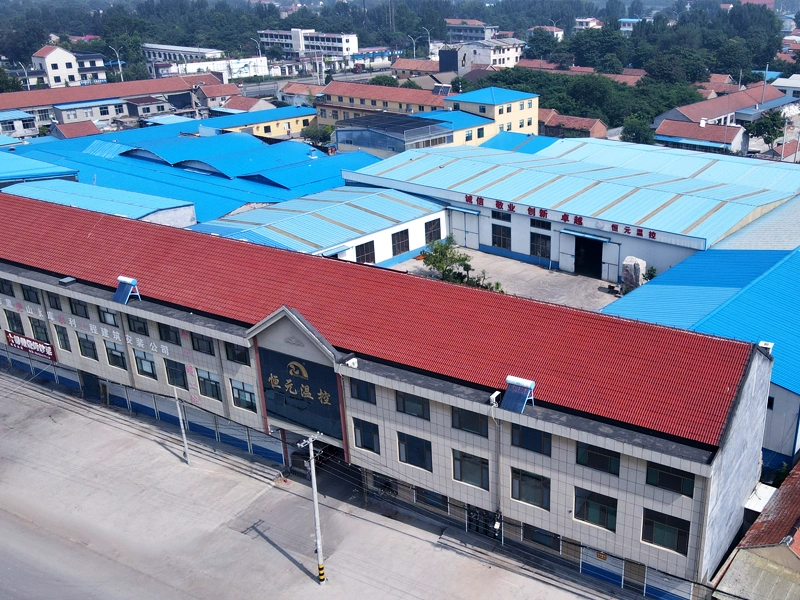
For many years, it has been committed to the development and promotion of national environmental protection and energy-saving products. It is a high-tech enterprise specializing in the production of environmental control-related equipment and technical services.
-
Blog
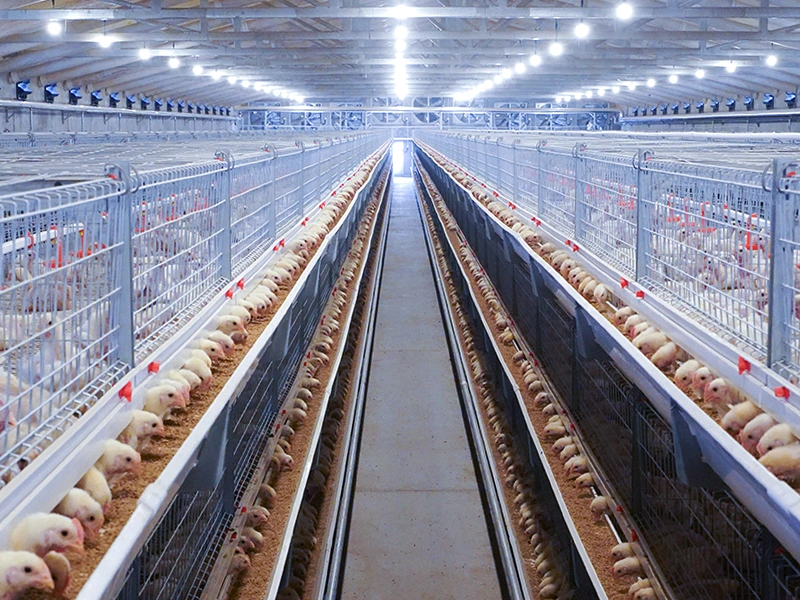
The company's goal is to provide customers with the best solutions for temperature and humidity control, to provide high-quality production and living environments for your greenhouses, livestock and poultry houses, industrial plants, etc., and to create the best benefits for you!
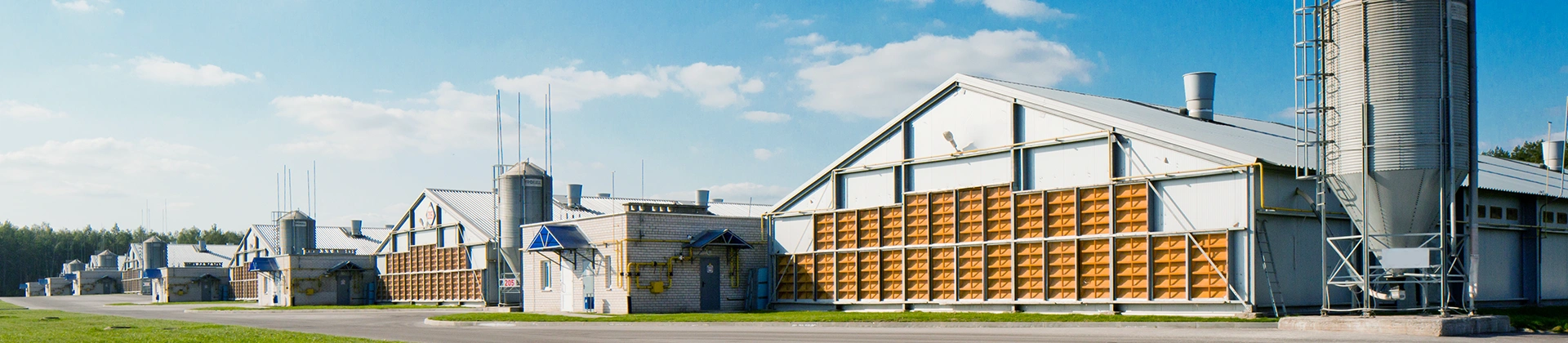
Farrowing House Exhaust Fans: Understanding Energy Costs and Savings for Optimal Efficiency
Release time:
2026-10-27
Farrowing House Exhaust Fans: Understanding Energy Costs and Savings for Optimal Efficiency
Table of Contents
- 1. Introduction to Farrowing House Exhaust Fans
- 2. The Importance of Proper Ventilation in Farrowing Houses
- 3. Understanding Energy Costs Associated with Exhaust Fans
- 4. Strategies for Savings with Exhaust Fans
- 5. Maintenance Tips for Long-Term Efficiency
- 6. Case Studies: Real-World Examples
- 7. Frequently Asked Questions
- 8. Conclusion
1. Introduction to Farrowing House Exhaust Fans
Farrowing houses play a critical role in swine production, especially during the delicate farrowing phase. Maintaining proper environmental conditions is essential not only for the health of sows and piglets but also for overall productivity. **Farrowing house exhaust fans** are integral to regulating temperature, humidity, and air quality. Understanding how these fans operate, their energy costs, and potential savings can significantly impact the operational efficiency and sustainability of a farming operation.
2. The Importance of Proper Ventilation in Farrowing Houses
Effective ventilation is crucial in farrowing houses for several reasons:
- **Health of Animals**: Proper airflow helps maintain optimal temperatures and reduces the risk of respiratory diseases among sows and piglets.
- **Temperature Regulation**: Sows are sensitive to temperature fluctuations, and maintaining a stable environment is essential for their welfare and productivity.
- **Humidity Control**: Excess moisture can lead to mold and bacteria growth, adversely affecting animal health.
Inadequate ventilation not only compromises animal welfare but can also lead to increased energy costs and reduced productivity.
3. Understanding Energy Costs Associated with Exhaust Fans
The operational costs of **farrowing house exhaust fans** largely stem from energy consumption. This section examines the factors influencing these costs and how to identify opportunities for savings.
3.1 Factors Influencing Energy Consumption
Several factors can influence the energy consumption of exhaust fans, including:
- **Fan Size and Capacity**: The larger the fan, the more energy it typically consumes. However, oversized fans can lead to inefficiencies.
- **Usage Patterns**: Fans that run continuously or during peak hours can significantly increase energy costs.
- **Environmental Conditions**: External temperatures and humidity levels can dictate fan operation, influencing energy usage.
Understanding these factors allows farm operators to make informed decisions about fan operation and maintenance.
3.2 Electricity Consumption and Rates
Electricity rates vary by region and can impact the overall energy costs associated with exhaust fans. It is essential to evaluate local electricity prices and calculate expected monthly usage based on fan specifications and operational hours.
4. Strategies for Savings with Exhaust Fans
Reducing energy costs associated with **exhaust fans** involves both strategic planning and the implementation of efficient technologies. Below are key strategies to achieve these savings.
4.1 Choosing Energy-Efficient Fans
Investing in energy-efficient exhaust fans can lead to substantial savings. Look for fans that feature:
- **Variable Speed Drives (VSD)**: These allow fans to operate at different speeds based on real-time needs, reducing energy consumption.
- **High-Performance Motors**: Fans equipped with energy-efficient motors typically consume less power and last longer.
Choosing the right fan not only enhances operational efficiency but also provides long-term savings on energy bills.
4.2 Implementing Smart Controls and Automation
Automation can revolutionize fan operation in farrowing houses. **Smart control systems** can monitor environmental conditions and adjust fan speeds accordingly, optimizing energy usage. Benefits of automation include:
- **Real-Time Monitoring**: Continuous tracking of temperature and humidity levels ensures that fans operate only as needed.
- **Remote Control**: Operators can manage fan settings from their smartphones or computers, allowing for quick adjustments based on current conditions.
Investing in smart technology can lead to significant energy savings and improved animal welfare.
5. Maintenance Tips for Long-Term Efficiency
Regular maintenance is vital for ensuring the longevity and efficiency of exhaust fans. Below are best practices to keep in mind:
- **Routine Inspections**: Regularly check fans for any signs of wear or damage to ensure they operate effectively.
- **Clean Fans and Ducts**: Dust and debris can reduce airflow and efficiency. Keeping these components clean is essential.
- **Lubrication**: Ensure moving parts are well-lubricated to reduce friction and energy consumption.
A well-maintained system not only operates efficiently but also contributes to lower energy costs over time.
6. Case Studies: Real-World Examples
Examining real-world examples of farms that have successfully implemented energy-efficient exhaust fan systems can provide valuable insights. Here are two notable case studies:
- **Case Study 1: Johnson Farms**: After switching to energy-efficient exhaust fans with variable speed drives, Johnson Farms reported a **20% reduction** in energy costs within the first year. The implementation of automation also improved animal health and productivity.
- **Case Study 2: Smith Family Farms**: By investing in regular maintenance and smart control systems, Smith Family Farms enhanced their ventilation efficiency, resulting in a **15% decrease** in operational costs. The combination of these strategies also led to improved air quality, benefiting the livestock’s health.
These examples highlight the tangible benefits of investing in efficient technologies and maintenance practices.
7. Frequently Asked Questions
What are the main benefits of using exhaust fans in farrowing houses?
Exhaust fans help regulate temperature, humidity, and air quality, which are crucial for the health and productivity of sows and piglets.
How can I determine the right size of exhaust fans for my farrowing house?
Calculating the size of exhaust fans involves considering the total volume of the farrowing house, the number of animals, and the desired air exchange rate.
What maintenance is required for exhaust fans?
Regular cleaning, inspection for wear, and lubrication of moving parts are essential for maintaining exhaust fan efficiency.
Can energy-efficient exhaust fans really save money?
Yes, energy-efficient fans typically consume less power, leading to lower energy bills. Combining them with smart controls can further enhance savings.
How often should I replace my exhaust fans?
While it depends on usage and maintenance, most exhaust fans should be evaluated for replacement every 10-15 years or sooner if performance issues arise.
8. Conclusion
Investing in **farrowing house exhaust fans** is not just about ensuring the well-being of livestock; it is also a strategic financial decision. Understanding energy costs and implementing strategies for savings can lead to improved operational efficiency and lower expenses. By choosing energy-efficient fans, leveraging smart technology, and committing to regular maintenance, farms can optimize their ventilation systems for both performance and cost savings. Embracing these practices not only enhances productivity but also contributes to a more sustainable farming operation.
recommend Content
2025-04-24
Share

Engaged in all kinds of cooling heating and animal husbandry equipment
Qingzhou Ventimax Equipment Co.,Ltd.
Economic Development zone,Qingzhou,China