
-

Products
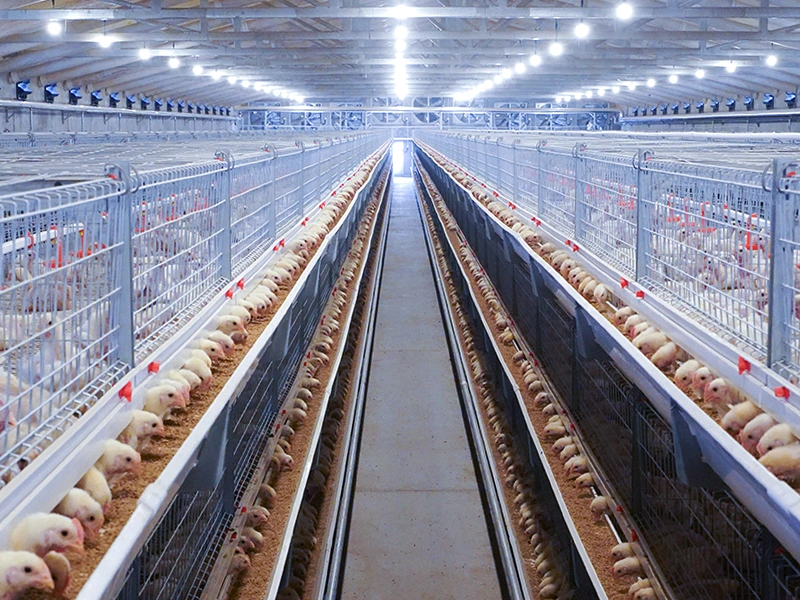
Main products include: large-scale livestock fans, large-scale greenhouse dedicated fans, industrial plant dedicated fans, circulation fans, roof automatic ventilators and other ventilation and cooling systems; wet curtains - fans, cold fans and other cooling and humidification systems; coal (fuel oil, electricity, gas) hot air fans, exhaust fans and other heating systems; feed towers, feed lines and other feeding systems; animal husbandry cage systems; scraper conveyor manure removal machines, belt conveyor manure removal machines and other manure removal systems.
-

About Us
For many years, it has been committed to the development and promotion of national environmental protection and energy-saving products. It is a high-tech enterprise specializing in the production of environmental control-related equipment and technical services.
-
Blog
The company's goal is to provide customers with the best solutions for temperature and humidity control, to provide high-quality production and living environments for your greenhouses, livestock and poultry houses, industrial plants, etc., and to create the best benefits for you!
How to Install a Quality High Airflow Exhaust Fan in Your Barn: A Comprehensive Guide
Release time:
2026-10-17
How to Install a Quality High Airflow Exhaust Fan in Your Barn
As barn owners, we understand that maintaining a healthy environment is crucial for livestock and equipment. One key element in achieving optimal conditions is proper ventilation, which is where a **high airflow exhaust fan** becomes indispensable. In this comprehensive guide, we will walk you through the installation process of a quality high airflow exhaust fan in your barn. We will cover everything from assessing your barn's ventilation needs to the steps required for a successful installation.
Table of Contents
- Understanding the Importance of Ventilation
- Choosing the Right High Airflow Exhaust Fan
- Gathering the Necessary Tools and Materials
- Preparing Your Barn for Installation
- Step-by-Step Guide to Installing a High Airflow Exhaust Fan
- Testing and Adjusting Your Exhaust Fan
- Maintenance Tips for Your Exhaust Fan
- Frequently Asked Questions
- Conclusion
Understanding the Importance of Ventilation
Effective ventilation plays a vital role in maintaining a healthy barn environment. Proper air circulation helps to:
1. **Regulate Temperature:** High airflow exhaust fans help control heat levels, preventing overheating during hot seasons.
2. **Reduce Humidity:** Excess moisture can lead to mold growth and respiratory issues in livestock. Effective ventilation minimizes humidity levels.
3. **Improve Air Quality:** Proper airflow reduces the buildup of harmful gases, ensuring fresher air for both animals and humans.
4. **Enhance Animal Welfare:** Livestock thrive in well-ventilated environments, promoting better health and productivity.
Understanding these benefits will motivate you to ensure your barn has the right ventilation system in place.
Choosing the Right High Airflow Exhaust Fan
Selecting the appropriate fan for your barn is critical. Here are some factors to consider:
Fan Size and Capacity
The size of your barn and the amount of airflow needed will dictate the fan's specifications. Generally, the airflow is measured in cubic feet per minute (CFM). A larger barn will require a fan with higher CFM ratings.
Material and Durability
Opt for exhaust fans made from high-quality, corrosion-resistant materials, especially if your barn houses livestock. Durable materials will ensure longevity and reduce maintenance costs.
Noise Levels
Some exhaust fans can be noisy. When choosing a fan, look for models designed to operate quietly, ensuring a comfortable environment for both animals and workers.
Energy Efficiency
Consider the energy consumption of the fan. Energy-efficient models may have a higher upfront cost but will save you money on electricity in the long run.
Gathering the Necessary Tools and Materials
Before starting the installation, ensure you have the following tools and materials on hand:
Essential Tools
- **Drill:** For making holes and securing the fan.
- **Screwdriver:** To tighten screws and fasten components.
- **Level:** To ensure the fan is mounted straight.
- **Measuring Tape:** For accurate measurements.
Materials Needed
- **High Airflow Exhaust Fan:** The fan you've selected.
- **Mounting Bracket:** Check that it is compatible with your fan.
- **Electrical Wiring:** Use appropriate gauge wire to handle the fan's power requirements.
- **Screws and Anchors:** Select screws that are suitable for the material of your barn's walls.
Preparing Your Barn for Installation
Before you begin, it’s essential to prepare the installation site:
Identify the Location
Choose a strategic location for the fan, ideally near the highest point of your barn. This placement will help in efficiently exhausting hot air.
Check for Electrical Access
Ensure that there is access to an electrical source. If necessary, be prepared to run new wiring.
Clear the Area
Remove any obstructions around the installation site to have a clear working space.
Step-by-Step Guide to Installing a High Airflow Exhaust Fan
Follow these steps to install your high airflow exhaust fan effectively:
1. Measure and Mark the Installation Spot
Use your measuring tape to mark the precise location on the barn wall where you will mount the fan. Make sure it is centered and leveled.
2. Prepare the Mounting Surface
If the surface is rough or uneven, smooth it out to provide a secure installation surface.
3. Install the Mounting Bracket
Attach the mounting bracket to the wall using the screws and anchors. Ensure it is firmly secured.
4. Connect the Electrical Wiring
Follow the manufacturer's wiring instructions. Connect the wires from the fan to the power supply. If you're not comfortable with electrical work, consult a professional electrician.
5. Mount the Exhaust Fan
Carefully attach the exhaust fan to the mounting bracket, ensuring it is securely in place.
6. Seal Any Gaps
Use weather stripping or caulk to seal any gaps around the fan to prevent air leaks.
7. Test the Installation
Once everything is secure, turn on the fan to test its operation. Ensure it runs smoothly and quietly.
Testing and Adjusting Your Exhaust Fan
After installation, testing is crucial to ensure optimal performance:
Monitor Airflow
Check the airflow to confirm it meets the expected CFM rating. Adjust the fan speed if necessary.
Check for Noise Levels
Listen for any unusual sounds that may indicate improper installation or mechanical issues.
Inspect for Vibration
Ensure the fan operates without excessive vibration, which can lead to wear and tear.
Maintenance Tips for Your Exhaust Fan
Regular maintenance will prolong the life of your exhaust fan and ensure efficient operation:
Clean the Fan Regularly
Dust and debris can accumulate on the fan blades. Clean them periodically to maintain airflow efficiency.
Inspect Electrical Components
Regularly check the wiring and connections for wear and fraying. Address any issues immediately.
Lubricate Moving Parts
If your fan has moving parts, lubricate them as recommended by the manufacturer to reduce wear.
Frequently Asked Questions
1. How do I know what size exhaust fan I need for my barn?
The required CFM will depend on the size of your barn and the number of animals. A general rule is to provide at least 1 CFM per square foot of space for livestock.
2. Can I install the exhaust fan myself?
Yes, if you have basic tools and comfort with DIY projects. However, for electrical work, it’s advisable to consult a professional.
3. Will a high airflow exhaust fan increase my energy bill?
While there is some energy cost, choosing an energy-efficient model can minimize these expenses significantly.
4. How often should I clean the exhaust fan?
It’s best to clean the fan every few months or as needed, especially during peak usage seasons.
5. What are the signs that my exhaust fan is not working properly?
Unusual noises, insufficient airflow, or electrical issues are all indicators that maintenance is needed.
Conclusion
Installing a quality high airflow exhaust fan in your barn is a crucial investment in animal welfare and equipment longevity. By following this comprehensive guide, you can ensure that your barn remains a healthy environment for your livestock. From selecting the right fan to executing a successful installation and maintenance routine, proper ventilation is essential for optimal barn conditions. With consistent airflow, humidity control, and improved air quality, your barn will thrive, enhancing the productivity and well-being of your animals. Make the effort now, and reap the rewards for years to come!
recommend Content
2025-04-24
Share

Engaged in all kinds of cooling heating and animal husbandry equipment
Qingzhou Ventimax Equipment Co.,Ltd.
Economic Development zone,Qingzhou,China