
-

Products
Main products include: large-scale livestock fans, large-scale greenhouse dedicated fans, industrial plant dedicated fans, circulation fans, roof automatic ventilators and other ventilation and cooling systems; wet curtains - fans, cold fans and other cooling and humidification systems; coal (fuel oil, electricity, gas) hot air fans, exhaust fans and other heating systems; feed towers, feed lines and other feeding systems; animal husbandry cage systems; scraper conveyor manure removal machines, belt conveyor manure removal machines and other manure removal systems.
-
About Us
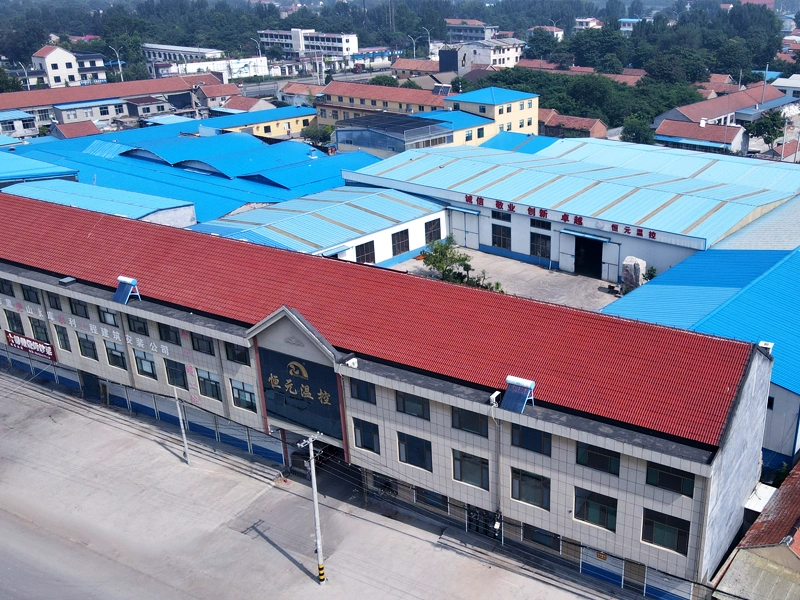
For many years, it has been committed to the development and promotion of national environmental protection and energy-saving products. It is a high-tech enterprise specializing in the production of environmental control-related equipment and technical services.
-
Blog
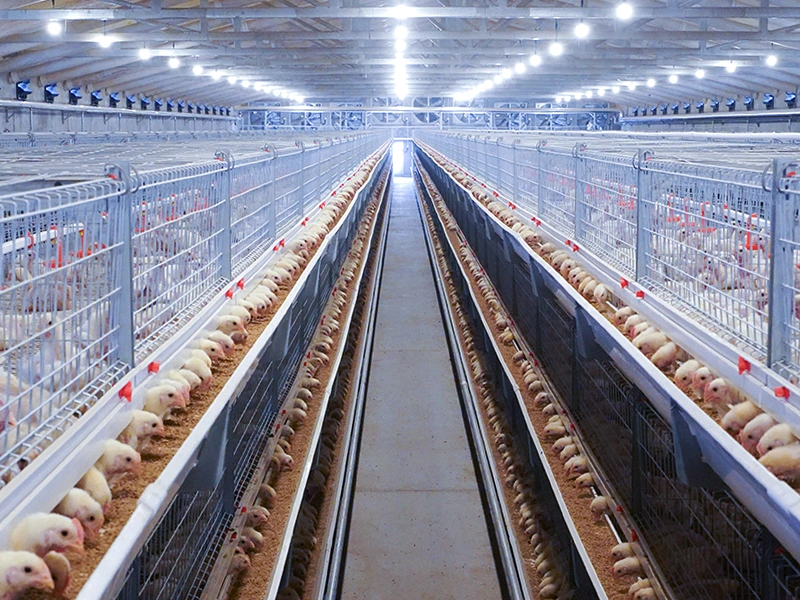
The company's goal is to provide customers with the best solutions for temperature and humidity control, to provide high-quality production and living environments for your greenhouses, livestock and poultry houses, industrial plants, etc., and to create the best benefits for you!
Enhancing Milk Production Efficiency with High Airflow Cone Fans
Release time:
2026-09-17
Enhancing Milk Production Efficiency with High Airflow Cone Fans
Table of Contents
- 1. Introduction to High Airflow Cone Fans
- 2. Importance of Airflow in Dairy Farming
- 3. Benefits of Installing High Airflow Cone Fans
- 4. Installation Guide for High Airflow Cone Fans
- 5. Maintenance Tips for Cone Fans
- 6. Case Studies: Success Stories from Dairy Farms
- 7. Cost-Benefit Analysis of Cone Fans
- 8. FAQs About High Airflow Cone Fans
- 9. Conclusion
1. Introduction to High Airflow Cone Fans
High airflow cone fans play a vital role in modern dairy farming by significantly improving the environmental conditions for dairy cattle. These fans are engineered to deliver a powerful airflow that helps regulate temperature and humidity levels within barns, ultimately leading to enhanced comfort for the animals. Comfortable cows are known to produce more milk, making the installation of these fans a strategic investment for dairy farmers aiming to optimize milk production efficiency.
2. Importance of Airflow in Dairy Farming
Proper airflow is crucial in dairy farming for several reasons:
2.1 Temperature Regulation
Cattle are sensitive to temperature extremes. High temperatures can lead to heat stress, which negatively impacts milk yield. Airflow from cone fans helps dissipate heat, ensuring that cows remain cool and productive.
2.2 Humidity Control
Maintaining optimal humidity levels is essential for the health of dairy cows. Excess humidity can contribute to respiratory issues and other health problems. High airflow cone fans reduce humidity levels, creating a more favorable environment.
2.3 Ventilation Improvement
Good ventilation is necessary to prevent the buildup of harmful gases such as ammonia. High airflow cone fans enhance ventilation, promoting better air quality in barns and reducing health risks for both cows and farmworkers.
3. Benefits of Installing High Airflow Cone Fans
The advantages of installing high airflow cone fans are manifold:
3.1 Increased Milk Production
Multiple studies have demonstrated a direct correlation between improved airflow and increased milk production. Cows that are comfortable and stress-free are more likely to produce optimal quantities of milk.
3.2 Enhanced Animal Health
By promoting better air quality and reducing heat stress, high airflow cone fans contribute to the overall health of dairy cows. Healthy cows are less prone to disease, resulting in lower veterinary costs and improved herd longevity.
3.3 Energy Efficiency
Modern high airflow cone fans are designed to be energy-efficient, minimizing operational costs while maximizing airflow. This efficiency translates to savings in both energy bills and maintenance expenses.
3.4 Versatile Application
These fans can be used in various settings within a dairy farm, including milking parlors, feedlots, and calf barns, making them a versatile solution for improving airflow throughout the farm.
4. Installation Guide for High Airflow Cone Fans
Installing high airflow cone fans requires careful planning and execution. Here’s a step-by-step guide:
4.1 Assess the Farm Layout
Evaluate the barn's layout and identify areas where airflow is lacking. Focus on high-traffic zones where cows spend most of their time.
4.2 Choose the Right Fan Size
Select cone fans based on the size of the barn and the number of cows. Larger barns may require multiple fans to achieve effective airflow.
4.3 Positioning the Fans
Install fans at strategic points to maximize airflow. Typically, fans should be placed high on the walls, angled downward to direct airflow to the cows.
4.4 Electrical Setup
Ensure that the electrical setup adheres to safety standards. It's advisable to hire a licensed electrician for the installation process.
4.5 Testing and Adjustments
Once installed, conduct tests to ensure optimal performance. Make any necessary adjustments to fan positioning for maximum airflow efficiency.
5. Maintenance Tips for Cone Fans
Regular maintenance of high airflow cone fans is essential for their longevity and performance. Here are some tips:
5.1 Routine Cleaning
Dust and debris can accumulate on fan blades, reducing efficiency. Regularly clean the blades and housing to maintain optimal performance.
5.2 Electrical Checks
Periodically inspect wiring and connections to avoid electrical failures. Ensure that all components are in good working condition.
5.4 Lubrication of Moving Parts
Lubricate the motor and any moving parts according to the manufacturer’s guidelines to prevent wear and tear.
6. Case Studies: Success Stories from Dairy Farms
Several dairy farms have reported remarkable improvements in milk production efficiency after installing high airflow cone fans.
6.1 Farm A: Increased Yield by 15%
Farm A, located in a hot climate, saw a 15% increase in milk production after installing high airflow cone fans. The owner noted a significant reduction in heat stress among the cows.
6.2 Farm B: Cost Savings and Improved Health
Farm B experienced substantial cost savings on veterinary bills after improving airflow in their barns. Healthier cows led to a decrease in illness rates and an increase in overall productivity.
7. Cost-Benefit Analysis of Cone Fans
When considering the installation of high airflow cone fans, it’s essential to weigh the costs against the benefits.
7.1 Initial Investment
The upfront cost of purchasing and installing cone fans can be substantial, varying based on size and model. However, these costs should be viewed in light of potential savings and increased milk production.
7.2 Long-Term Savings
Over time, the benefits of improved milk production, reduced veterinary costs, and lower energy bills can offset the initial investment. A thorough cost-benefit analysis will help in making informed decisions.
8. FAQs About High Airflow Cone Fans
8.1 What are high airflow cone fans?
High airflow cone fans are specialized ventilation fans designed to provide powerful airflow in agricultural environments, particularly in dairy barns.
8.2 How do high airflow cone fans improve milk production?
By regulating temperature and humidity levels, these fans create a comfortable environment for cows, leading to reduced stress and increased milk yield.
8.3 What is the ideal placement for cone fans?
Ideally, cone fans should be mounted high on barn walls and angled to direct airflow toward the cows, ensuring maximum efficiency.
8.4 Are high airflow cone fans energy-efficient?
Yes, most modern cone fans are designed for energy efficiency, helping to reduce operational costs over time.
8.5 How often should cone fans be maintained?
Regular maintenance, including cleaning and electrical checks, should be conducted at least once a month or as recommended by the manufacturer.
9. Conclusion
Investing in high airflow cone fans can lead to significant improvements in milk production efficiency on dairy farms. By ensuring optimal airflow, these fans create a comfortable environment for cows, enhancing their health and productivity. With proper installation and maintenance, dairy farmers can expect long-term benefits that outweigh the initial investment, making high airflow cone fans a wise and effective choice in modern dairy farming. Embracing this technology not only supports better animal welfare but also contributes to the overall sustainability and profitability of dairy operations.
recommend Content
2025-04-24
Share

Engaged in all kinds of cooling heating and animal husbandry equipment
Qingzhou Ventimax Equipment Co.,Ltd.
Economic Development zone,Qingzhou,China