
-

Products
Main products include: large-scale livestock fans, large-scale greenhouse dedicated fans, industrial plant dedicated fans, circulation fans, roof automatic ventilators and other ventilation and cooling systems; wet curtains - fans, cold fans and other cooling and humidification systems; coal (fuel oil, electricity, gas) hot air fans, exhaust fans and other heating systems; feed towers, feed lines and other feeding systems; animal husbandry cage systems; scraper conveyor manure removal machines, belt conveyor manure removal machines and other manure removal systems.
-
About Us
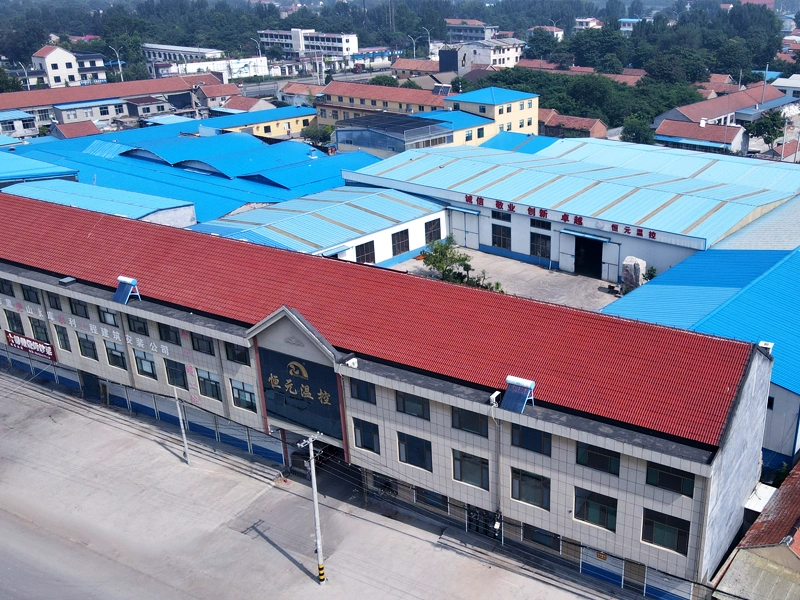
For many years, it has been committed to the development and promotion of national environmental protection and energy-saving products. It is a high-tech enterprise specializing in the production of environmental control-related equipment and technical services.
-
Blog
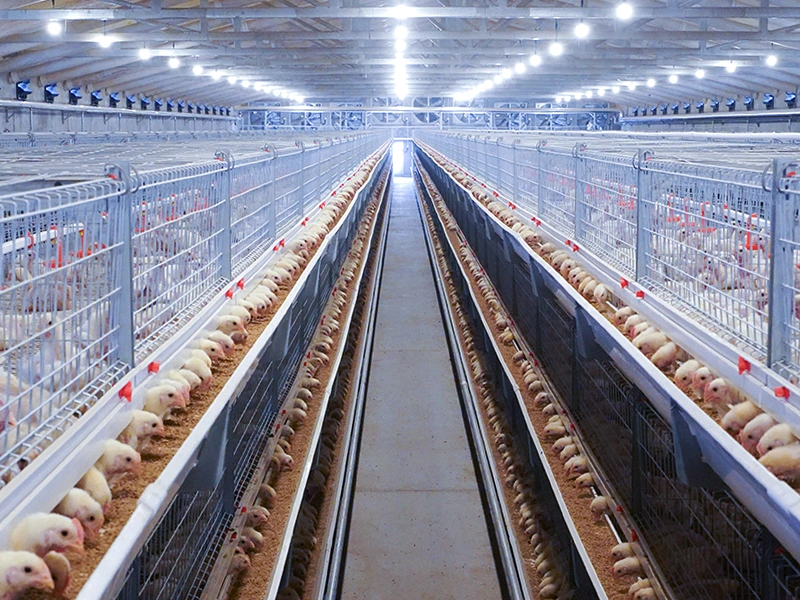
The company's goal is to provide customers with the best solutions for temperature and humidity control, to provide high-quality production and living environments for your greenhouses, livestock and poultry houses, industrial plants, etc., and to create the best benefits for you!
Understanding Swine Barn Ventilation Shutters: Enhancing Airflow and Animal Welfare
Release time:
2026-09-12
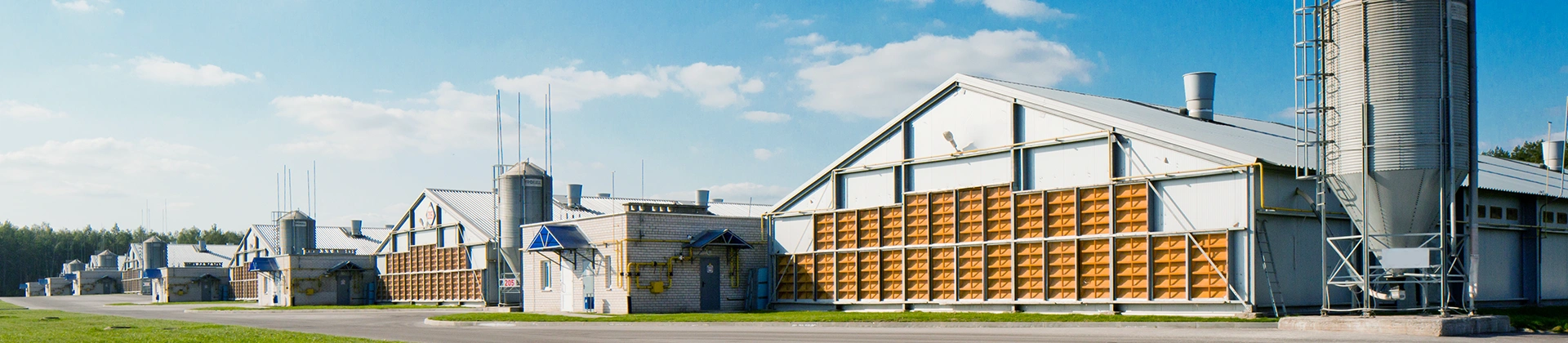
These shutters are designed to open and close based on environmental conditions, allowing fresh air to enter the barn while exhausting stale air. The effectiveness of ventilation systems, which include fans and exhaust systems, is significantly enhanced by the strategic placement of ventilation shutters. When positioned correctly, they facilitate optimal air exchange, ensuring that pigs are not exposed to excessive heat or humidity—a common challenge in swine production.
The materials used for constructing swine barn ventilation shutters are typically durable and weather-resistant, making them suitable for various environmental conditions. These materials ensure that the shutters can withstand the rigors of daily use, including exposure to moisture, dust, and temperature fluctuations. Additionally, the design of these shutters often incorporates insulation features to prevent heat loss during colder months, enhancing energy efficiency and reducing heating costs.
When selecting ventilation shutters, it is important to consider factors such as size, airflow capacity, and ease of operation. The size of the shutters should correspond to the dimensions of the barn and the number of animals housed within. Properly sized shutters help ensure adequate ventilation without causing drafts that could stress the animals. Furthermore, the airflow capacity must be calculated to match the specific needs of the barn, taking into account factors such as the number of pigs, their weight, and the overall layout of the facility.
Maintenance is another critical aspect of ensuring the longevity and effectiveness of swine barn ventilation shutters. Regular inspections should be conducted to check for any blockages or damage that could impede their functionality. Cleaning the shutters and their surrounding areas prevents the buildup of dust and debris, allowing for optimal airflow. Additionally, lubricating moving parts can prevent wear and tear, ensuring smooth operation.
In summary, swine barn ventilation shutters are essential for creating a comfortable and healthy environment for pigs. By enhancing airflow, reducing humidity, and regulating temperature, these shutters contribute significantly to the overall welfare and productivity of livestock. Understanding their importance and maintaining them properly can lead to better outcomes in swine production, ultimately benefiting farmers and consumers alike.
recommend Content
2025-04-24
Share

Engaged in all kinds of cooling heating and animal husbandry equipment
Qingzhou Ventimax Equipment Co.,Ltd.
Economic Development zone,Qingzhou,China