
-

Products
Main products include: large-scale livestock fans, large-scale greenhouse dedicated fans, industrial plant dedicated fans, circulation fans, roof automatic ventilators and other ventilation and cooling systems; wet curtains - fans, cold fans and other cooling and humidification systems; coal (fuel oil, electricity, gas) hot air fans, exhaust fans and other heating systems; feed towers, feed lines and other feeding systems; animal husbandry cage systems; scraper conveyor manure removal machines, belt conveyor manure removal machines and other manure removal systems.
-
About Us
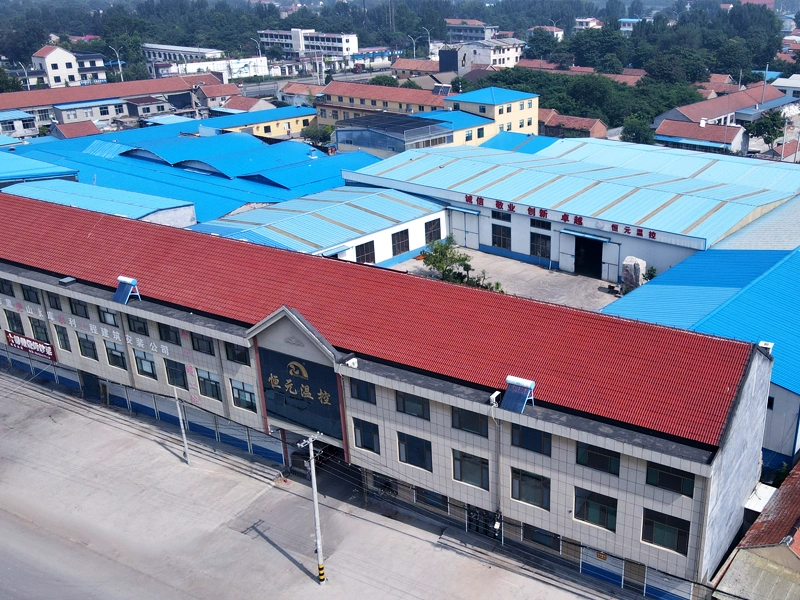
For many years, it has been committed to the development and promotion of national environmental protection and energy-saving products. It is a high-tech enterprise specializing in the production of environmental control-related equipment and technical services.
-
Blog
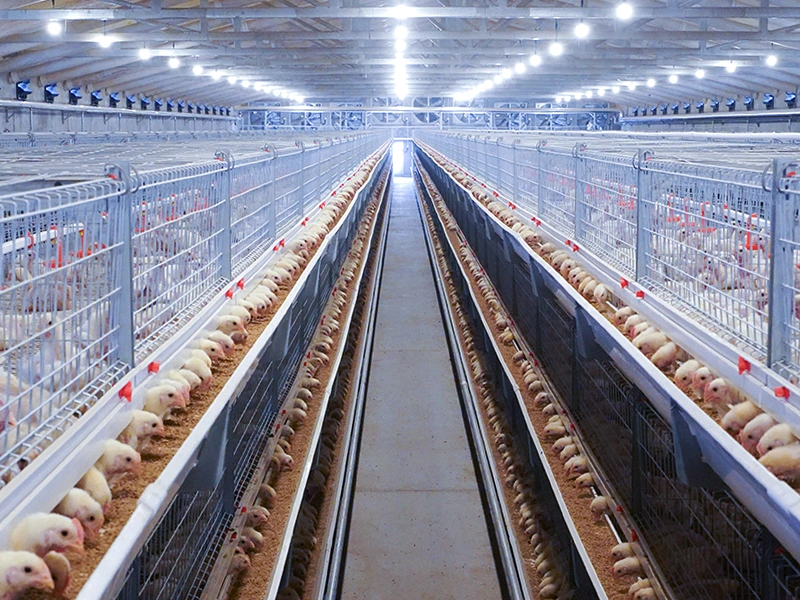
The company's goal is to provide customers with the best solutions for temperature and humidity control, to provide high-quality production and living environments for your greenhouses, livestock and poultry houses, industrial plants, etc., and to create the best benefits for you!
How to Select the Best Cooling Pad Materials for Swine Facilities
Release time:
2026-08-18
How to Select the Best Cooling Pad Materials for Swine Facilities
Introduction to Cooling Pads in Swine Facilities
In the realm of swine farming, maintaining an optimal environment is paramount for the health and productivity of the livestock. High temperatures can lead to heat stress in pigs, resulting in decreased feed intake, lower growth rates, and even increased mortality rates. To combat these challenges, **cooling pads** have emerged as an effective solution for regulating temperatures within swine facilities. This article delves into how to select the best cooling pad materials, ensuring your facilities remain conducive to the well-being of your animals.
Understanding Cooling Pads: What Are They and How Do They Work?
Cooling pads are essential elements in evaporative cooling systems. They work on the principle of evaporative cooling, where warm air passes through the pads, and as the water evaporates, it cools the air before it enters the facility. This process not only lowers temperatures but also increases humidity, which is particularly beneficial in dry climates.
The Importance of Material Selection
The efficiency and longevity of cooling pads largely depend on the materials used in their construction. **Selecting the right material** ensures optimal cooling performance, durability, and ease of maintenance. Below, we explore the key materials commonly used in cooling pads for swine facilities.
Key Materials for Cooling Pads
1. Cellulose Fiber Pads
Cellulose fiber pads are widely regarded for their excellent moisture retention and cooling capabilities. Made from natural plant fibers, they are both eco-friendly and effective. These pads typically come in various thicknesses, allowing for customization based on specific facility needs.
Advantages of Cellulose Fiber Pads
- **High moisture retention**: These pads can hold a significant amount of water, providing prolonged cooling effects.
- **Durability**: With proper maintenance, cellulose pads can last several years.
- **Cost-effective**: They are relatively inexpensive compared to other materials, making them a popular choice among swine farmers.
2. Plastic Cooling Pads
Plastic cooling pads, often made from high-density polyethylene (HDPE) or polypropylene, boast a unique design that allows for efficient airflow and moisture distribution. The non-porous nature of these materials also prevents the growth of mold and bacteria.
Advantages of Plastic Cooling Pads
- **Easy to clean**: Their smooth surface makes cleaning and maintenance straightforward.
- **Longevity**: Resistant to decay and weathering, plastic pads can last for many years without significant deterioration.
- **Consistent performance**: They provide reliable cooling throughout their lifespan.
3. Metal Cooling Pads
Metal cooling pads, usually made from aluminum or galvanized steel, are less common but offer exceptional durability. These pads are typically used in larger operations where robustness is essential.
Advantages of Metal Cooling Pads
- **Durability**: Metal pads can withstand harsh conditions and are less likely to suffer from wear and tear.
- **Fire-resistant**: Unlike other materials, metal does not pose a fire hazard, making them a safer option in some contexts.
- **Effective cooling**: These pads can quickly cool air, making them suitable for facilities with high heat loads.
Factors to Consider When Choosing Cooling Pad Materials
Choosing the right cooling pad material requires careful consideration of several factors.
1. Climate and Environmental Conditions
The climate in which the swine facility is located plays a significant role in material selection. In humid areas, materials that resist mold and mildew growth are essential, while in arid regions, moisture retention becomes more critical.
2. Facility Design and Layout
The layout of your swine facility can influence which cooling pad materials are best suited to your needs. For example, larger facilities may require more robust pads to handle higher airflow demands.
3. Maintenance Requirements
Different materials have varying maintenance needs. Cellulose pads require regular soaking and replacement, whereas plastic pads may only need occasional cleaning. Understanding the maintenance level you can commit to is crucial.
4. Cost and Budget Considerations
While initial costs are important, it’s vital to consider long-term expenses, including maintenance, replacement frequency, and operational efficiency. Investing in higher-quality materials can ultimately save money over time.
5. Animal Welfare and Health
The health and comfort of your swine should always be the top priority. Selecting materials that promote a healthy environment can lead to better growth rates and overall well-being.
Installation Tips for Cooling Pads
Selecting the right materials is only one part of creating an effective cooling solution. Proper installation is equally crucial.
1. Ensure Proper Sizing
Cooling pads should fit snugly within their frames, with no gaps that could allow hot air to bypass the cooling effect. Measure carefully and consider the airflow requirements of your facility.
2. Maintain a Water Supply
Ensure that your cooling pads have a consistent and adequate water supply for optimal performance. Regularly check for clogs or issues with the water delivery system.
3. Regular Maintenance Checks
Routine inspections can help identify potential problems before they escalate. Check for signs of wear, algae growth, or blockages in your cooling pads.
Frequently Asked Questions (FAQs)
1. What are the best materials for cooling pads in swine facilities?
The best materials include cellulose fiber, plastic, and metal. Each offers unique benefits depending on your specific needs and environmental conditions.
2. How often should cooling pads be replaced?
Replacement frequency varies based on the material used and maintenance practices. Generally, cellulose pads may need replacement every few seasons, while plastic and metal pads can last longer.
3. Can I use cooling pads in all climates?
Yes, but the material choice should reflect the specific climate. In humid areas, materials resistant to mold are crucial, while in dry climates, moisture retention becomes key.
4. How do I clean my cooling pads?
Cleaning methods depend on the material. Plastic pads can be washed with mild soap and water, while cellulose pads may require soaking and scrubbing to remove algae or debris.
5. What are the signs of ineffective cooling pads?
Signs include increased pig stress levels, elevated temperatures within the facility, and visible deterioration or blockages in the pads.
Conclusion
Selecting the right cooling pad materials for swine facilities is a crucial investment in your livestock's health and productivity. By considering factors such as climate, facility design, maintenance requirements, and costs, you can make an informed choice that will enhance your operation. High-quality cooling pads not only improve animal welfare but also contribute to the overall success of your farming efforts. By prioritizing the comfort of your swine, you lay the groundwork for a thriving, productive facility.
recommend Content
2025-04-24
Share

Engaged in all kinds of cooling heating and animal husbandry equipment
Qingzhou Ventimax Equipment Co.,Ltd.
Economic Development zone,Qingzhou,China