
-

Products
Main products include: large-scale livestock fans, large-scale greenhouse dedicated fans, industrial plant dedicated fans, circulation fans, roof automatic ventilators and other ventilation and cooling systems; wet curtains - fans, cold fans and other cooling and humidification systems; coal (fuel oil, electricity, gas) hot air fans, exhaust fans and other heating systems; feed towers, feed lines and other feeding systems; animal husbandry cage systems; scraper conveyor manure removal machines, belt conveyor manure removal machines and other manure removal systems.
-
About Us
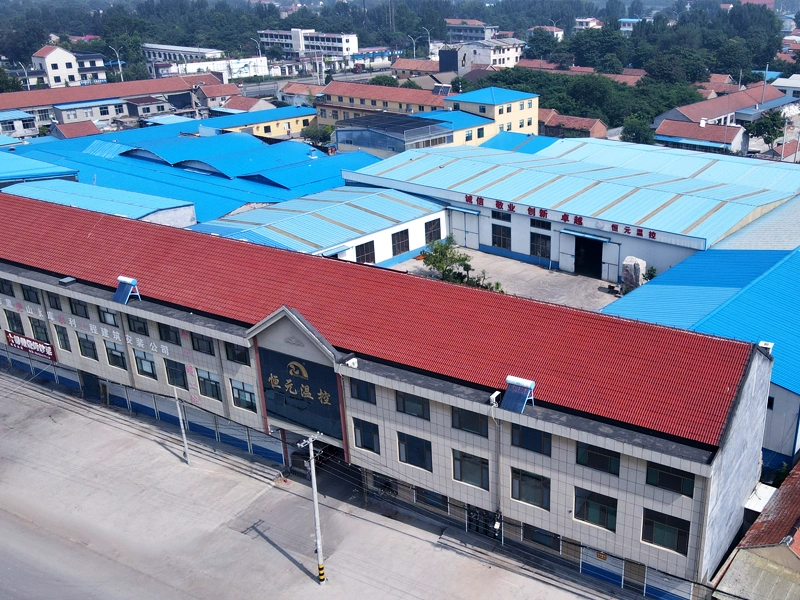
For many years, it has been committed to the development and promotion of national environmental protection and energy-saving products. It is a high-tech enterprise specializing in the production of environmental control-related equipment and technical services.
-
Blog
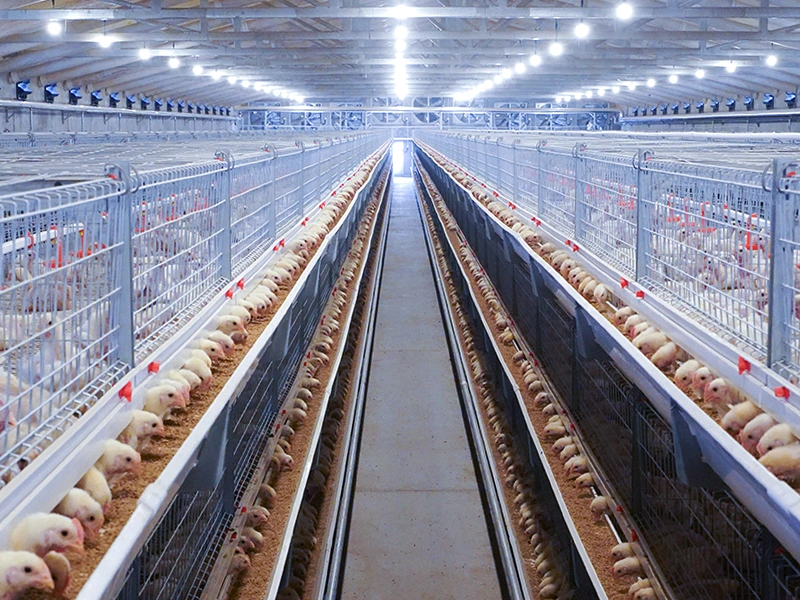
The company's goal is to provide customers with the best solutions for temperature and humidity control, to provide high-quality production and living environments for your greenhouses, livestock and poultry houses, industrial plants, etc., and to create the best benefits for you!
Enhancing Pig House Comfort with Evaporative Cooling Pads
Release time:
2026-08-15
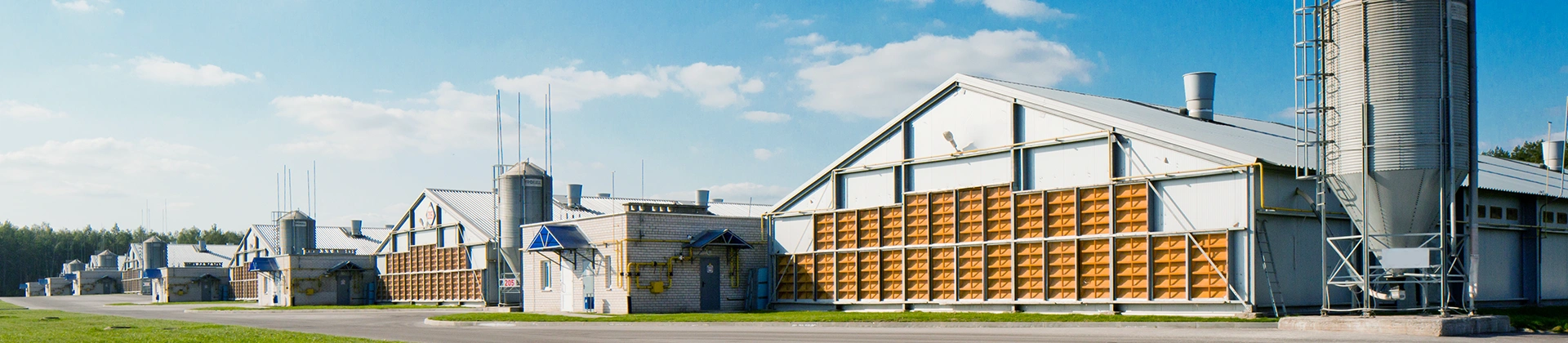
When installed properly, evaporative cooling pads can generate a cooler environment for pigs, which is essential for their health and productivity. Pigs are sensitive to heat stress, and prolonged exposure to elevated temperatures can lead to reduced feed intake, lower growth rates, and even health issues. By maintaining a more consistent and comfortable temperature within the pig house, farmers can ensure that their animals thrive.
One of the key advantages of evaporative cooling pads is their ability to provide continuous cooling with relatively low energy consumption. Unlike traditional air conditioning systems, which rely on refrigerants and high energy usage, evaporative cooling pads primarily use water and air movement. This makes them a cost-effective solution over time, especially in regions where high temperatures are prevalent.
The installation of evaporative cooling pads requires careful consideration of several factors. The pads should be positioned strategically to maximize airflow across the pig house. Additionally, the water supply must be reliable to ensure that the pads remain wet, as dry pads will not be effective in cooling the air. It's also important to maintain the cleanliness of the pads to prevent any buildup of bacteria or algae, which can compromise the health of the animals.
Moreover, combining evaporative cooling pads with proper ventilation systems can enhance their effectiveness. A well-designed ventilation system will ensure that cool, moist air is distributed evenly throughout the pig house, while also managing humidity levels. This balance is crucial, as excessive humidity can lead to respiratory problems in pigs.
In summary, incorporating evaporative cooling pads in pig houses presents a viable solution for managing heat stress in livestock. Their energy efficiency, cost-effectiveness, and positive impact on animal health make them an excellent choice for pig farmers. By adopting this technology, producers can improve the welfare of their pigs, enhance productivity, and create a more sustainable farming environment. Implementing evaporative cooling strategies will not only benefit the animals but can also lead to improved operational outcomes for the farms.
recommend Content
2025-04-24
Share

Engaged in all kinds of cooling heating and animal husbandry equipment
Qingzhou Ventimax Equipment Co.,Ltd.
Economic Development zone,Qingzhou,China