
-

Products
Main products include: large-scale livestock fans, large-scale greenhouse dedicated fans, industrial plant dedicated fans, circulation fans, roof automatic ventilators and other ventilation and cooling systems; wet curtains - fans, cold fans and other cooling and humidification systems; coal (fuel oil, electricity, gas) hot air fans, exhaust fans and other heating systems; feed towers, feed lines and other feeding systems; animal husbandry cage systems; scraper conveyor manure removal machines, belt conveyor manure removal machines and other manure removal systems.
-
About Us
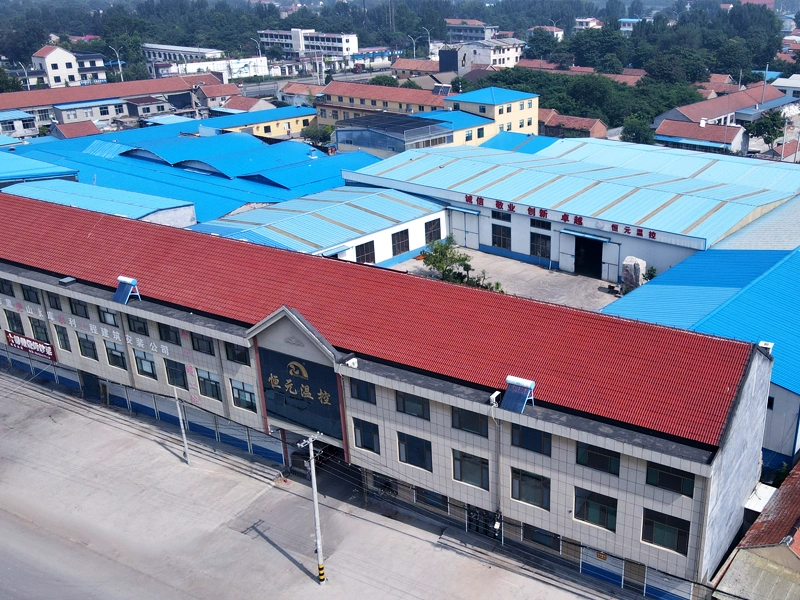
For many years, it has been committed to the development and promotion of national environmental protection and energy-saving products. It is a high-tech enterprise specializing in the production of environmental control-related equipment and technical services.
-
Blog
The company's goal is to provide customers with the best solutions for temperature and humidity control, to provide high-quality production and living environments for your greenhouses, livestock and poultry houses, industrial plants, etc., and to create the best benefits for you!
Innovative Cooling Solutions: Upgrading Your Swine Barn with Modern Pads
Release time:
2026-05-20
Innovative Cooling Solutions: Upgrading Your Swine Barn with Modern Pads
Table of Contents
- 1. Introduction to Modern Cooling Solutions for Swine Barns
- 2. The Importance of Proper Ventilation and Cooling in Swine Production
- 3. Types of Modern Cooling Pads for Swine Barns
- 4. Installing Modern Cooling Pads: Step-by-Step Guide
- 5. Essential Maintenance Tips for Cooling Pads
- 6. Upgrading Your Existing Cooling System
- 7. Return on Investment: Long-Term Benefits of Modern Cooling Solutions
- 8. Conclusion
- 9. Frequently Asked Questions
1. Introduction to Modern Cooling Solutions for Swine Barns
As the demand for high-quality pork increases, ensuring optimal living conditions for swine has never been more critical. Traditional cooling methods often fall short of providing the necessary temperature regulation and air quality that swine require for healthy growth and productivity. Modern cooling pads have emerged as an innovative solution, specifically designed to maintain comfortable conditions in swine barns. By effectively lowering temperatures and enhancing ventilation, these cooling systems play a vital role in improving animal welfare and increasing overall production efficiency.
2. The Importance of Proper Ventilation and Cooling in Swine Production
Maintaining ideal temperatures in swine barns is essential for several reasons:
2.1 Enhanced Animal Welfare
Pigs are sensitive to heat stress, which can lead to decreased feed intake, lower weight gains, and even increased mortality rates. Modern cooling solutions help mitigate these risks by ensuring a more comfortable environment.
2.2 Improved Feed Efficiency
Proper ventilation and cooling directly contribute to better feed conversion rates. When pigs are comfortable, they eat more, leading to improved growth rates and overall productivity.
2.3 Reduction of Disease Risks
High temperatures create a breeding ground for pathogens. Effective cooling systems help maintain a drier and more hygienic environment, thereby reducing the risk of disease outbreaks among livestock.
3. Types of Modern Cooling Pads for Swine Barns
There are various types of cooling pads available in the market today, each designed to cater to specific needs.
3.1 Evaporative Cooling Pads
Evaporative cooling pads utilize the principle of water evaporation to cool incoming air. As hot air passes through the wet pads, moisture evaporates, reducing the air temperature significantly. These pads are highly effective in arid climates where humidity levels are low.
3.2 High Efficiency Pads
High-efficiency cooling pads are designed for maximum cooling with minimal water consumption. They feature advanced materials that enhance the cooling process, making them suitable for larger swine barns requiring extensive cooling capabilities.
3.3 Water-Cooled Systems
Water-cooled systems involve the circulation of cold water through tubes or panels to extract heat from the air. These systems are particularly effective in regions with high ambient temperatures, providing a consistent cooling effect throughout the barn.
4. Installing Modern Cooling Pads: Step-by-Step Guide
Installing modern cooling pads can significantly enhance your swine barn's climate. Follow these steps for a successful installation:
4.1 Assess Your Barn's Layout
Before installation, assess the layout of your barn to determine the optimal placement of cooling pads. Consider factors such as airflow direction and the location of heat sources.
4.2 Acquire Necessary Materials
Procure all required materials, including the cooling pads, mounting brackets, water supply lines, and fans. Ensure that you choose high-quality products that meet industry standards.
4.3 Prepare Installation Area
Clean the area where the cooling pads will be installed. Remove any debris or obstructions to ensure proper airflow and easy access to the pads.
4.4 Mount the Cooling Pads
Following the manufacturer's instructions, securely mount the cooling pads in their designated areas. Ensure that they are positioned to allow for optimal air intake and circulation.
4.5 Connect Water Supply
Connect the water supply lines to the cooling pads. Test the connections for any leaks and ensure that water flows consistently through the pads.
4.6 Install Fans for Air Circulation
Position fans strategically to maximize air circulation throughout the barn. This is essential for distributing the cooler air generated by the pads effectively.
4.7 Test the System
Once installation is complete, test the entire cooling system. Monitor the performance and check for any adjustments that may be necessary to achieve the desired temperature and airflow.
5. Essential Maintenance Tips for Cooling Pads
To ensure your cooling pads operate effectively over time, regular maintenance is crucial. Here are some essential tips:
5.1 Regular Cleaning
Dust, dirt, and algae can accumulate on cooling pads, reducing their efficiency. Regularly clean the pads with a gentle pressure washer or hose to maintain optimal performance.
5.2 Inspect Water Supply Lines
Periodically check for leaks or blockages in the water supply lines. Ensuring a steady flow of water is vital for the proper functioning of evaporative cooling systems.
5.3 Monitor Fan Performance
Fans should be inspected regularly to ensure they are operating at peak performance. Replace or repair any malfunctioning fans to maintain adequate air circulation.
5.4 Seasonal Checks
Before the peak summer months, conduct thorough checks of the entire cooling system. This proactive approach helps identify and address potential issues before they affect your livestock.
6. Upgrading Your Existing Cooling System
If your current cooling system is outdated or underperforming, upgrading to modern cooling pads can offer significant advantages. Consider the following steps when planning an upgrade:
6.1 Evaluate Current System Performance
Assess the performance of your existing cooling system to identify areas that need improvement. Take note of temperature fluctuations and any issues with airflow.
6.2 Research Modern Options
Investigate the latest cooling pad technologies available in the market. Look for systems that offer higher efficiency and lower maintenance requirements.
6.3 Budget for Upgrades
Establish a budget for the upgrade process, taking into account labor costs, materials, and potential disruptions to your operations during installation.
6.4 Plan for Implementation
Develop a clear implementation plan that outlines the timeline for the upgrade, ensuring minimal disruption to your swine operations.
7. Return on Investment: Long-Term Benefits of Modern Cooling Solutions
Investing in modern cooling solutions for your swine barn can yield significant long-term benefits:
7.1 Increased Productivity
Comfortable pigs are more productive. An efficient cooling system can lead to higher growth rates and improved feed efficiency, ultimately increasing your overall yield.
7.2 Healthier Livestock
By maintaining optimal temperatures and air quality, you create a healthier environment for your pigs, reducing veterinary costs and improving overall herd health.
7.3 Energy Savings
Modern cooling systems are designed for energy efficiency, leading to reduced utility bills and lower operating costs over time.
7.4 Enhanced Meat Quality
Stress-free animals produce better-quality meat. By ensuring a comfortable environment, you enhance the marketability of your product, leading to increased profits.
8. Conclusion
Upgrading your swine barn with modern cooling pads is an investment that promises substantial returns in terms of livestock welfare, productivity, and profitability. By understanding the types of cooling solutions available and implementing proper installation and maintenance practices, you can create an optimal environment for your pigs. Modern cooling systems not only enhance animal comfort but also contribute to the efficiency and sustainability of your swine operations.
9. Frequently Asked Questions
9.1 What are the signs that my swine barn needs better cooling solutions?
Signs include increased heat stress in pigs, reduced feed intake, and signs of respiratory distress, such as coughing or panting.
9.2 How often should I clean the cooling pads?
Cooling pads should be cleaned regularly, ideally every few weeks, depending on the barn's environmental conditions.
9.3 Are modern cooling pads easy to install?
Yes, with the right materials and a step-by-step plan, modern cooling pads can be installed relatively easily, often requiring minimal tools.
9.4 How can I determine the right size of cooling pads for my barn?
The size of cooling pads needed depends on the barn's size, the number of animals, and the cooling requirements. Consult with a specialist for precise calculations.
9.5 What are the long-term benefits of investing in modern cooling solutions?
Long-term benefits include increased productivity, healthier livestock, energy savings, and enhanced meat quality, leading to higher profitability.
By implementing these innovative cooling solutions in your swine barn, you can ensure a better quality of life for your livestock while maximizing your operational efficiency and profitability.
recommend Content
2025-04-24
Share

Engaged in all kinds of cooling heating and animal husbandry equipment
Qingzhou Ventimax Equipment Co.,Ltd.
Economic Development zone,Qingzhou,China