
-

Products
Main products include: large-scale livestock fans, large-scale greenhouse dedicated fans, industrial plant dedicated fans, circulation fans, roof automatic ventilators and other ventilation and cooling systems; wet curtains - fans, cold fans and other cooling and humidification systems; coal (fuel oil, electricity, gas) hot air fans, exhaust fans and other heating systems; feed towers, feed lines and other feeding systems; animal husbandry cage systems; scraper conveyor manure removal machines, belt conveyor manure removal machines and other manure removal systems.
-
About Us
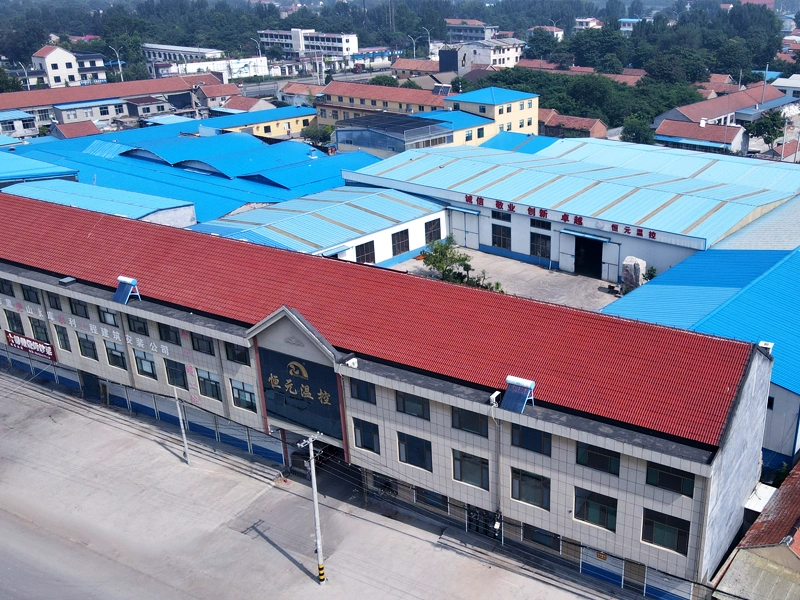
For many years, it has been committed to the development and promotion of national environmental protection and energy-saving products. It is a high-tech enterprise specializing in the production of environmental control-related equipment and technical services.
-
Blog
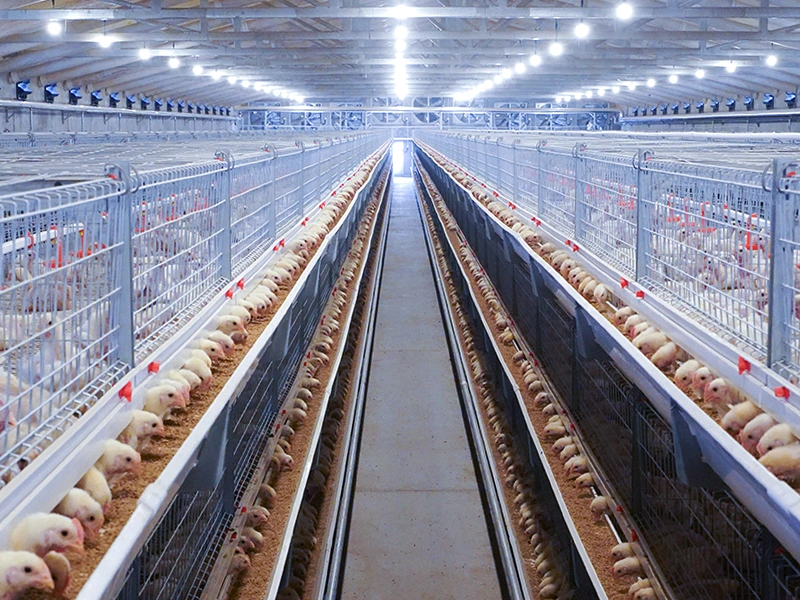
The company's goal is to provide customers with the best solutions for temperature and humidity control, to provide high-quality production and living environments for your greenhouses, livestock and poultry houses, industrial plants, etc., and to create the best benefits for you!
Maximizing Livestock Comfort: The Role of Evaporative Cooling Pads in Pig Houses
Release time:
2026-05-17
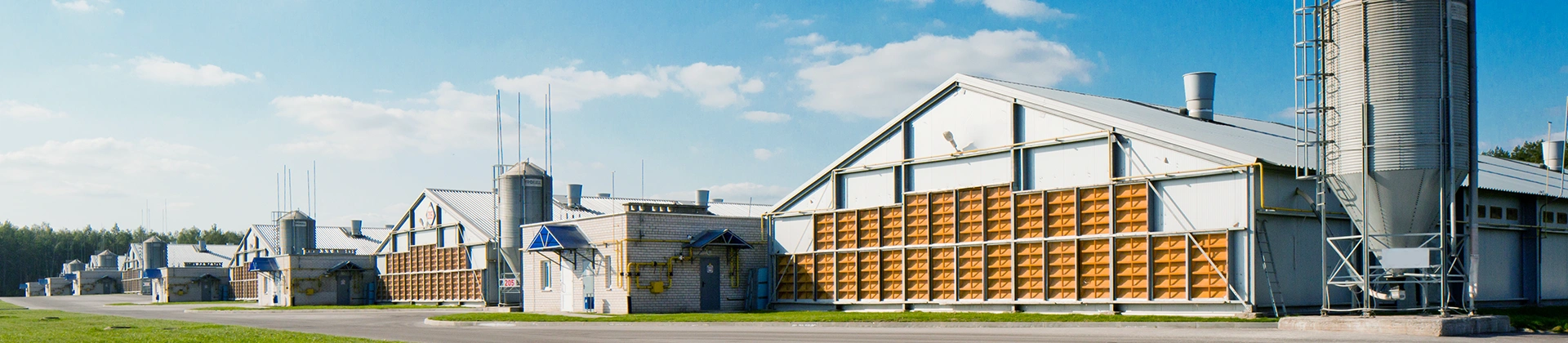
Evaporative cooling pads for pig houses are typically made from cellulose or other highly absorbent materials that facilitate efficient moisture absorption. When warm air passes through these pads, the moisture evaporates, absorbing heat and resulting in a cooler air stream. This cooling process can significantly reduce the internal temperature of pig houses, creating a more comfortable living environment for the animals.
The benefits of implementing evaporative cooling pads in pig houses extend beyond mere temperature control. Maintaining optimal temperatures can lead to improved feed conversion rates, increased growth rates, and overall better health for the pigs. High temperatures can stress livestock, leading to decreased appetite, reduced productivity, and even increased mortality rates. By using evaporative cooling pads, farmers can mitigate these risks, ultimately enhancing the overall welfare of the animals.
Additionally, evaporative cooling systems are cost-effective and environmentally friendly. They consume less energy compared to traditional air conditioning systems, thus reducing operational costs while also lowering the carbon footprint of the farm. Moreover, the cooling pads can be easily installed and integrated into existing ventilation systems, making them a practical solution for pig farmers looking to enhance their facilities.
When considering the implementation of evaporative cooling pads, it is also essential to ensure proper maintenance. Regular cleaning and replacement of pads will ensure optimal performance and longevity. Farmers should monitor the humidity levels within the pig house to strike a balance between adequate ventilation and humidity control. Excess moisture can lead to mold growth and other health issues for the pigs, so it is vital to maintain appropriate moisture levels.
In summary, evaporative cooling pads for pig houses play a critical role in enhancing the comfort and productivity of livestock. By effectively lowering the internal temperature and managing humidity levels, these pads contribute to the overall health and welfare of pigs. Implementing such a system not only benefits the animals but can also drive improved economic performance for pig farmers, making it a wise investment for any modern agricultural operation.
recommend Content
2025-04-24
Share

Engaged in all kinds of cooling heating and animal husbandry equipment
Qingzhou Ventimax Equipment Co.,Ltd.
Economic Development zone,Qingzhou,China