
-

Products
Main products include: large-scale livestock fans, large-scale greenhouse dedicated fans, industrial plant dedicated fans, circulation fans, roof automatic ventilators and other ventilation and cooling systems; wet curtains - fans, cold fans and other cooling and humidification systems; coal (fuel oil, electricity, gas) hot air fans, exhaust fans and other heating systems; feed towers, feed lines and other feeding systems; animal husbandry cage systems; scraper conveyor manure removal machines, belt conveyor manure removal machines and other manure removal systems.
-
About Us
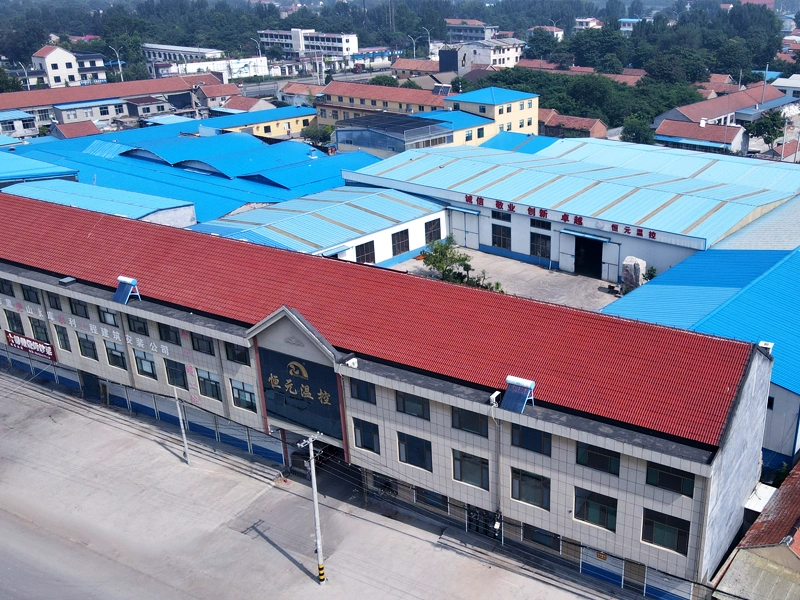
For many years, it has been committed to the development and promotion of national environmental protection and energy-saving products. It is a high-tech enterprise specializing in the production of environmental control-related equipment and technical services.
-
Blog
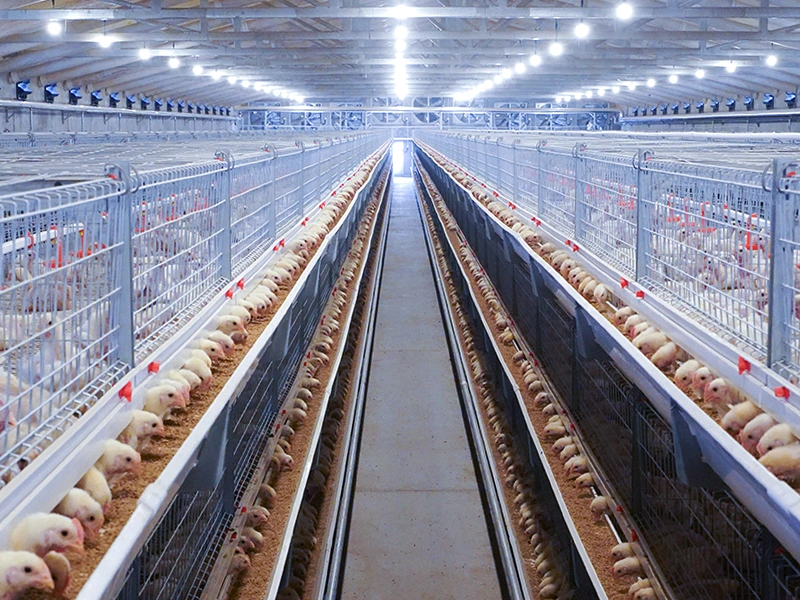
The company's goal is to provide customers with the best solutions for temperature and humidity control, to provide high-quality production and living environments for your greenhouses, livestock and poultry houses, industrial plants, etc., and to create the best benefits for you!
Essential Insights into Swine Barn Ventilation Shutters for Optimal Livestock Health
Release time:
2026-05-11
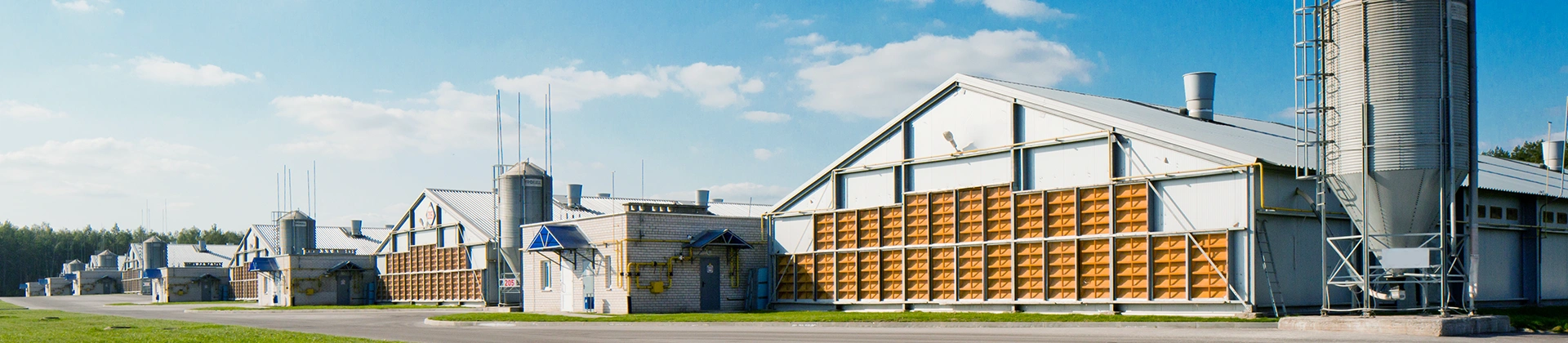
Swine barn ventilation shutters are designed to manage the exchange of air within the barn. They help to remove excess heat, moisture, and harmful gases, while allowing fresh air to enter the space. Proper ventilation is essential to prevent respiratory diseases, which are prevalent in crowded conditions. Shutters can be either manual or automatic, with automatic systems often incorporating sensors that open or close the shutters based on temperature and humidity levels.
The design of swine barn ventilation shutters is geared toward durability and efficiency. Typically constructed from high-quality materials that withstand harsh environmental conditions, these shutters can be opened or closed as needed to optimize airflow. The placement and orientation of shutters are also crucial; they should be positioned to enhance cross-ventilation and minimize stagnant air pockets.
In addition to improving air quality, appropriate ventilation also helps in temperature regulation. Pigs are sensitive to temperature extremes, and an effective ventilation system can help maintain a stable climate within the barn. This stability not only supports the health of the animals but can also lead to improved feed conversion rates and overall productivity.
Another significant factor to consider is the integration of ventilation shutters with other barn systems. For instance, they can be combined with fans or cooling systems to create a comprehensive climate control solution. This integration maximizes the efficiency of the barn’s overall ventilation strategy, ensuring that conditions remain optimal throughout different seasons.
Farmers should also consider the maintenance of swine barn ventilation shutters. Regular inspections and cleaning are necessary to ensure that shutters remain functional and free from blockages. This maintenance is vital to sustain the benefits provided by an effective ventilation system.
In conclusion, swine barn ventilation shutters are an essential component of modern hog farming. By facilitating proper airflow and temperature control, they help create a healthy environment that supports livestock welfare and productivity. When selecting and installing these shutters, it is important to consider their design, placement, and integration with other ventilation systems to ensure optimal performance and longevity.
recommend Content
2025-04-24
Share

Engaged in all kinds of cooling heating and animal husbandry equipment
Qingzhou Ventimax Equipment Co.,Ltd.
Economic Development zone,Qingzhou,China