
-

Products
Main products include: large-scale livestock fans, large-scale greenhouse dedicated fans, industrial plant dedicated fans, circulation fans, roof automatic ventilators and other ventilation and cooling systems; wet curtains - fans, cold fans and other cooling and humidification systems; coal (fuel oil, electricity, gas) hot air fans, exhaust fans and other heating systems; feed towers, feed lines and other feeding systems; animal husbandry cage systems; scraper conveyor manure removal machines, belt conveyor manure removal machines and other manure removal systems.
-
About Us
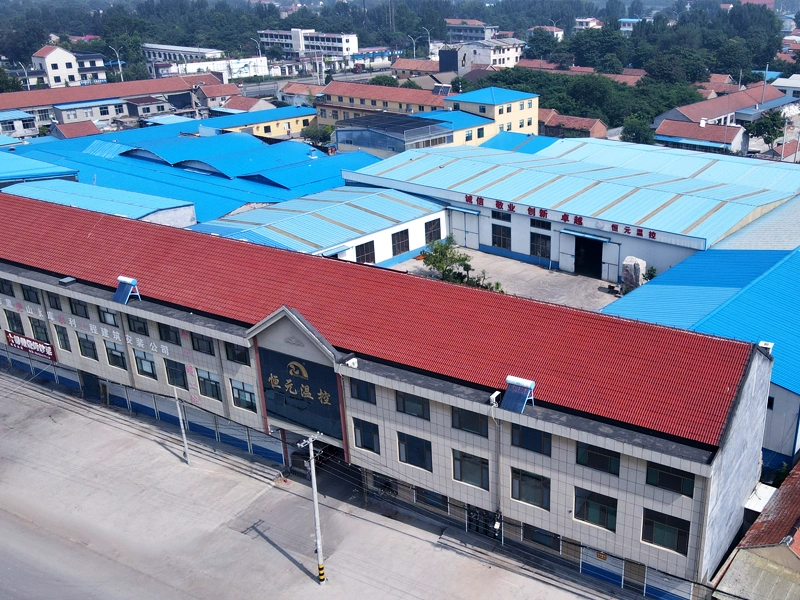
For many years, it has been committed to the development and promotion of national environmental protection and energy-saving products. It is a high-tech enterprise specializing in the production of environmental control-related equipment and technical services.
-
Blog
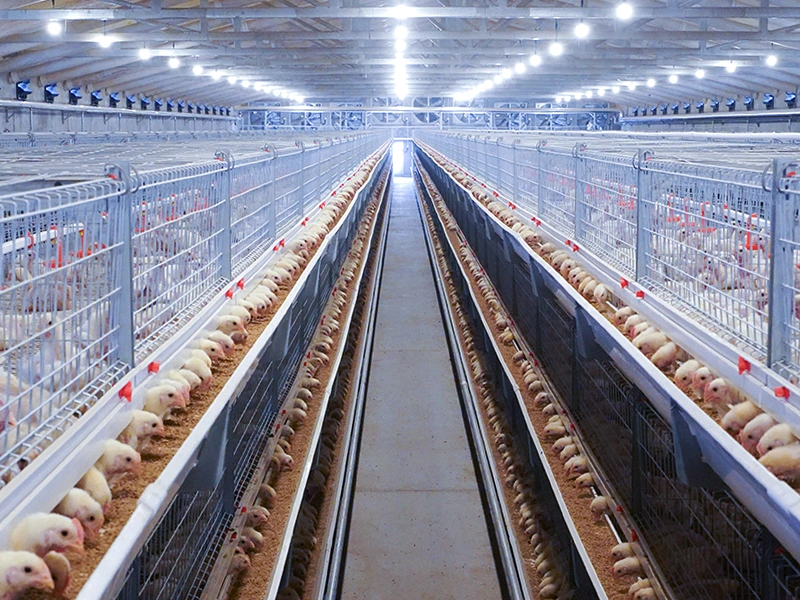
The company's goal is to provide customers with the best solutions for temperature and humidity control, to provide high-quality production and living environments for your greenhouses, livestock and poultry houses, industrial plants, etc., and to create the best benefits for you!
Comparing Different Types of Farrowing House Exhaust Fans: A Comprehensive Guide
Release time:
2026-05-08
Comparing Different Types of Farrowing House Exhaust Fans
Maintaining an ideal environment in a farrowing house is crucial for the health and productivity of sows and their piglets. Proper ventilation systems play a significant role in achieving that goal, and farrowing house exhaust fans are essential components of these systems. This comprehensive guide will explore various types of farrowing house exhaust fans, analyze their features, and help you make informed decisions for your operations.
Understanding Farrowing House Ventilation Needs
The farrowing house serves as the birthing area for sows, and its environment must be carefully controlled. Proper ventilation is necessary to:
- Regulate temperature and humidity levels
- Remove harmful gases and odors
- Ensure adequate air circulation for optimal health
Choosing the right exhaust fan is crucial for meeting these ventilation requirements. This article will delve into the different types available on the market and their specific applications.
Types of Farrowing House Exhaust Fans
Farrowing house exhaust fans can be broadly categorized based on their design and functionality. Here, we will explore several main types:
1. Axial Fans
Axial fans are one of the most common types of exhaust fans used in farrowing houses. These fans move air along the axis of the fan and are characterized by their:
- High airflow rates: Ideal for large spaces needing significant ventilation.
- Compact design: Easy to install and maintain, fitting in various locations.
- Energy efficiency: Generally consume less power compared to other fan types.
2. Centrifugal Fans
Centrifugal fans, also known as blower fans, work by drawing air into the center and expelling it at a right angle. Their features include:
- High static pressure: Suitable for ducted systems where air must be forced through long distances.
- Quiet operation: Reduced noise levels make them ideal for environments where disturbances are a concern.
- Versatile applications: Can be used in both exhaust and supply ventilation systems.
3. Mixed Flow Fans
Mixed flow fans combine characteristics of both axial and centrifugal fans. They operate efficiently in various situations and offer:
- Balanced performance: Efficient airflow and pressure, making them suitable for different setups.
- Compact size: They can fit into tighter spaces while still delivering high performance.
- Flexible installation: Can be mounted in multiple orientations, depending on your ventilation layout.
4. Exhaust Fan with Variable Frequency Drive (VFD)
Fans equipped with VFD technology offer enhanced control over airflow levels. Key benefits include:
- Energy savings: Adjusts motor speed based on real-time ventilation needs, reducing energy consumption.
- Improved air quality: Maintains consistent airflow, promoting better indoor conditions for livestock.
- Adaptability: Ideal for farms that experience fluctuations in temperature and humidity.
Factors to Consider When Choosing Farrowing House Exhaust Fans
When selecting the right exhaust fan for your farrowing house, several factors should be taken into account:
1. Size and Capacity
The size of the fan is crucial to ensure effective ventilation. Consider the following:
- Room dimensions: Calculate the required airflow in cubic feet per minute (CFM) based on the size of your farrowing house.
- Number of sows: Determine how many sows will be housed simultaneously to gauge necessary ventilation needs.
2. Energy Efficiency
Operating costs can significantly impact overall farm profitability. Choose fans that offer:
- High-efficiency motors: Look for models with high energy efficiency ratings to reduce electricity costs.
- Smart controls: Fans with VFDs or smart technology can optimize performance and energy use.
3. Maintenance and Durability
Long-term operating costs are influenced by maintenance and durability:
- Materials used: Opt for fans constructed from corrosion-resistant materials for longevity in humid environments.
- Ease of maintenance: Choose designs that allow for easy access to components for cleaning and repairs.
4. Noise Levels
Excessive noise can affect the health of livestock and workers. Look for:
- Low-noise models: Many fan manufacturers offer products specifically designed for quieter operation.
- Sound insulation: Consider additional soundproofing if necessary to maintain a peaceful environment.
5. Installation Requirements
Assess the installation process to ensure a smooth setup:
- Mounting options: Determine whether the fans can be ceiling-mounted, wall-mounted, or installed in other configurations.
- Electrical requirements: Ensure your electrical system can accommodate the fan's power needs.
Installation Guidelines for Farrowing House Exhaust Fans
Proper installation of exhaust fans is crucial to ensure maximum efficiency. Here are some guidelines to follow:
1. Positioning the Fans
Strategically place fans to promote optimal airflow. Consider:
- Location: Position fans near the highest point of the ceiling to capture hot air, which rises.
- Spacing: Space fans evenly to create balanced ventilation throughout the farrowing house.
2. Ductwork Considerations
When using ducted systems, ensure the ductwork is designed to minimize turbulence:
- Smooth transitions: Use smooth duct transitions to reduce air resistance.
- Insulation: Insulate ductwork to minimize energy loss and maintain stable temperatures.
3. Electrical Connections
Ensure all electrical connections comply with local codes:
- Consult professionals: Engage a qualified electrician to ensure safe and reliable installations.
- Wiring diagrams: Follow manufacturer wiring diagrams for accurate connections.
Maintaining Your Farrowing House Exhaust Fans
Regular maintenance is essential to prolong the lifespan of your exhaust fans and ensure optimal performance:
1. Routine Inspections
Conduct regular inspections to catch potential issues early:
- Check for debris: Remove dust and debris from fan blades and housing.
- Inspect bearings: Ensure bearings are lubricated and in good condition to prevent noise and wear.
2. Cleaning Procedures
Establish a cleaning routine to maintain fan efficiency:
- Frequency: Clean fans at least twice a year or more frequently in dusty environments.
- Cleaning agents: Use non-corrosive cleaning agents to avoid damaging components.
3. Performance Monitoring
Regularly monitor fan performance to identify any decline:
- Airflow measurements: Use an anemometer to measure airflow rates and ensure they meet specifications.
- Noise levels: Listen for unusual sounds indicating mechanical issues.
Conclusion
Selecting the right type of farrowing house exhaust fan is critical to maintaining a healthy environment for sows and their piglets. By understanding the different types available, considering key factors during the selection process, and ensuring proper installation and maintenance, you can significantly enhance the functionality and efficiency of your farrowing house ventilation system. Investing time and resources in the right exhaust fan will yield substantial benefits, including improved air quality, energy savings, and ultimately, better livestock health and productivity.
Frequently Asked Questions (FAQs)
1. What is the ideal airflow rate for farrowing house exhaust fans?
The ideal airflow rate depends on the size of the farrowing house and the number of sows housed. A general rule is to aim for 1 cubic foot per minute (CFM) per pound of animal weight.
2. How often should I clean my exhaust fans?
It is recommended to clean your exhaust fans at least twice a year, but more frequent cleaning may be necessary in dusty environments.
3. Can I use axial fans for ducted systems?
While axial fans are typically used for direct ventilation, they can be used in ducted systems if the design and size are appropriate for the airflow requirements.
4. How can I reduce noise from exhaust fans?
To reduce noise, choose low-noise models, add sound insulation, and ensure proper installation to minimize vibrations.
5. What maintenance tasks should I prioritize for my exhaust fans?
Prioritize routine inspections, regular cleaning, lubrication of bearings, and performance monitoring to identify issues early and maintain efficiency.
recommend Content
2025-04-24
Share

Engaged in all kinds of cooling heating and animal husbandry equipment
Qingzhou Ventimax Equipment Co.,Ltd.
Economic Development zone,Qingzhou,China