
-

Products
Main products include: large-scale livestock fans, large-scale greenhouse dedicated fans, industrial plant dedicated fans, circulation fans, roof automatic ventilators and other ventilation and cooling systems; wet curtains - fans, cold fans and other cooling and humidification systems; coal (fuel oil, electricity, gas) hot air fans, exhaust fans and other heating systems; feed towers, feed lines and other feeding systems; animal husbandry cage systems; scraper conveyor manure removal machines, belt conveyor manure removal machines and other manure removal systems.
-
About Us
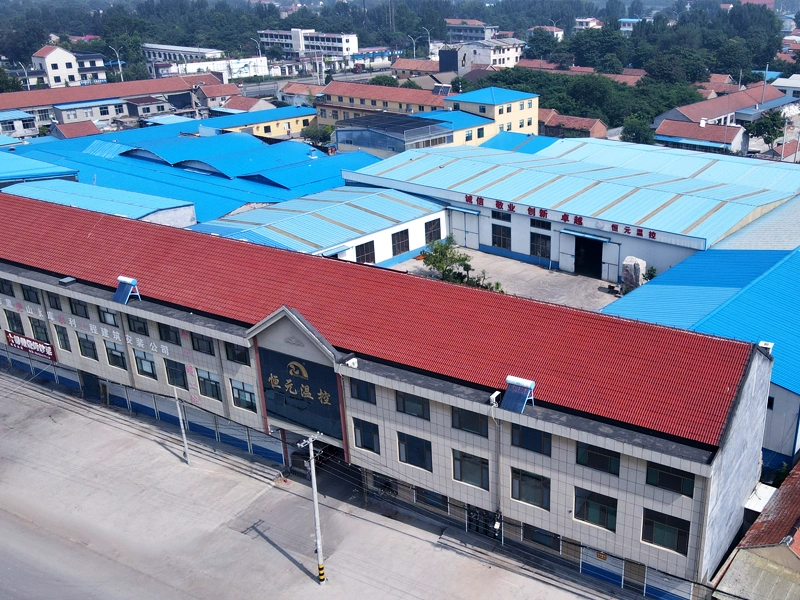
For many years, it has been committed to the development and promotion of national environmental protection and energy-saving products. It is a high-tech enterprise specializing in the production of environmental control-related equipment and technical services.
-
Blog
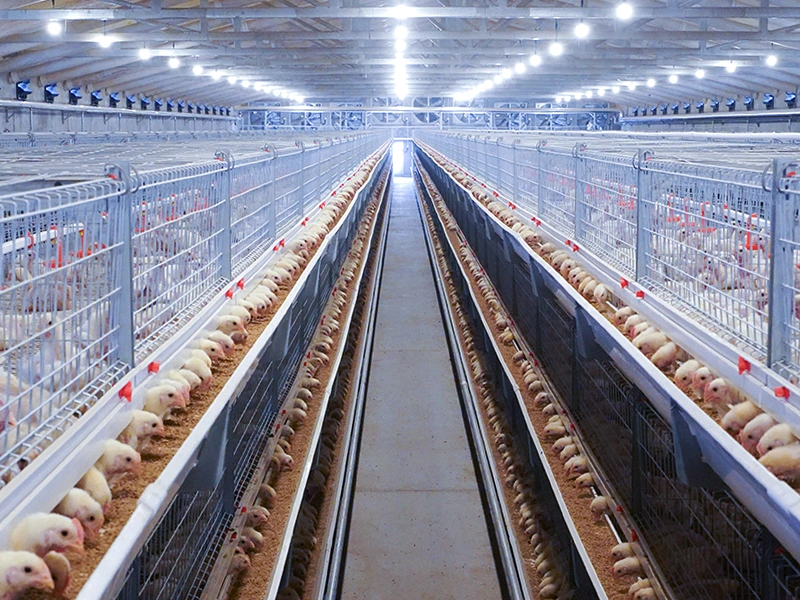
The company's goal is to provide customers with the best solutions for temperature and humidity control, to provide high-quality production and living environments for your greenhouses, livestock and poultry houses, industrial plants, etc., and to create the best benefits for you!
Optimizing Swine Barn Ventilation with Effective Shutter Solutions
Release time:
2026-03-12
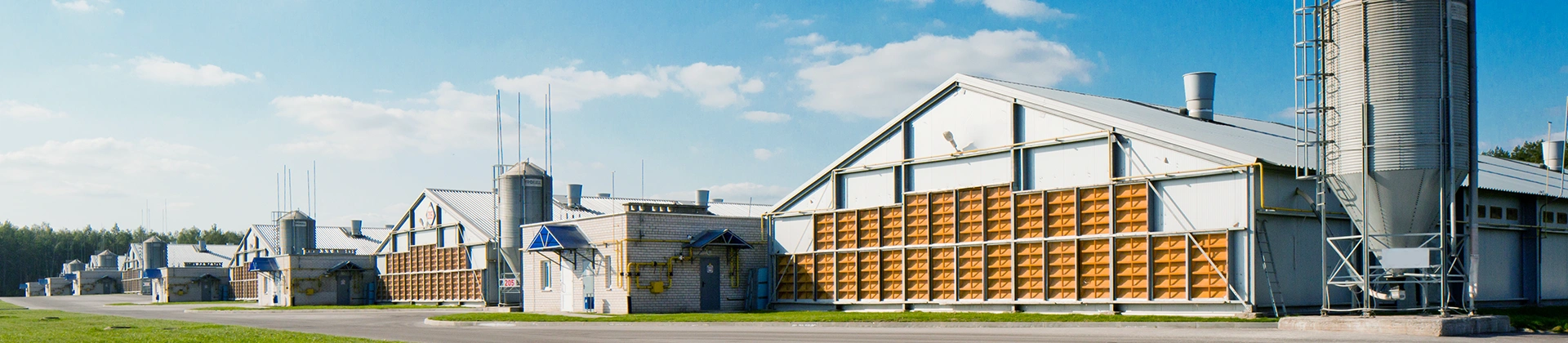
The primary function of ventilation shutters is to regulate the amount of fresh air entering the barn while allowing stale air to escape. This is essential for removing harmful gases, such as ammonia, and maintaining a comfortable climate for the animals. Inadequate ventilation can lead to poor air quality, resulting in respiratory issues and decreased productivity among the livestock.
When selecting ventilation shutters for a swine barn, several factors should be considered. First and foremost, the size and design of the shutters must align with the barn's specific ventilation requirements. It's essential to calculate the appropriate airflow needed for the space, taking into account the number of animals and their specific needs. Additionally, the material used for the shutters should possess durability and resistance to corrosion, given the harsh environment typical of swine barns.
Another important aspect is the operational mechanism of the shutters. Automatic and manual options are available, each with its own advantages. Automatic shutters can be controlled based on temperature and humidity sensors, allowing for seamless adjustment of airflow. This ensures that the barn maintains optimal conditions without the need for constant manual intervention. On the other hand, manual shutters may be more cost-effective and easier to maintain, depending on the specific operational structure of the farm.
Regular maintenance of the ventilation shutter system is also critical. Dust, debris, and moisture can accumulate over time, hindering the performance of the shutters. Routine inspections and cleanings can help ensure that the shutters are functioning effectively, ultimately contributing to the overall health of the swine.
In addition to enhancing animal comfort and health, proper ventilation can also lead to economic advantages. Reducing the incidence of illness among swine can lower veterinary costs and increase productivity, translating into better returns for the farmer. Furthermore, an efficient ventilation system can contribute to energy savings by optimizing temperature control within the barn.
In conclusion, investing in high-quality swine barn ventilation shutters is essential for promoting a healthy and productive environment for livestock. By considering factors such as size, material, operational mechanisms, and maintenance needs, farmers can optimize their ventilation systems, leading to improved animal welfare and operational efficiency. With the right ventilation solutions in place, swine producers can create an environment that supports both the health of their animals and the success of their operations.
recommend Content
2025-04-24
Share

Engaged in all kinds of cooling heating and animal husbandry equipment
Qingzhou Ventimax Equipment Co.,Ltd.
Economic Development zone,Qingzhou,China