
-

Products
Main products include: large-scale livestock fans, large-scale greenhouse dedicated fans, industrial plant dedicated fans, circulation fans, roof automatic ventilators and other ventilation and cooling systems; wet curtains - fans, cold fans and other cooling and humidification systems; coal (fuel oil, electricity, gas) hot air fans, exhaust fans and other heating systems; feed towers, feed lines and other feeding systems; animal husbandry cage systems; scraper conveyor manure removal machines, belt conveyor manure removal machines and other manure removal systems.
-
About Us
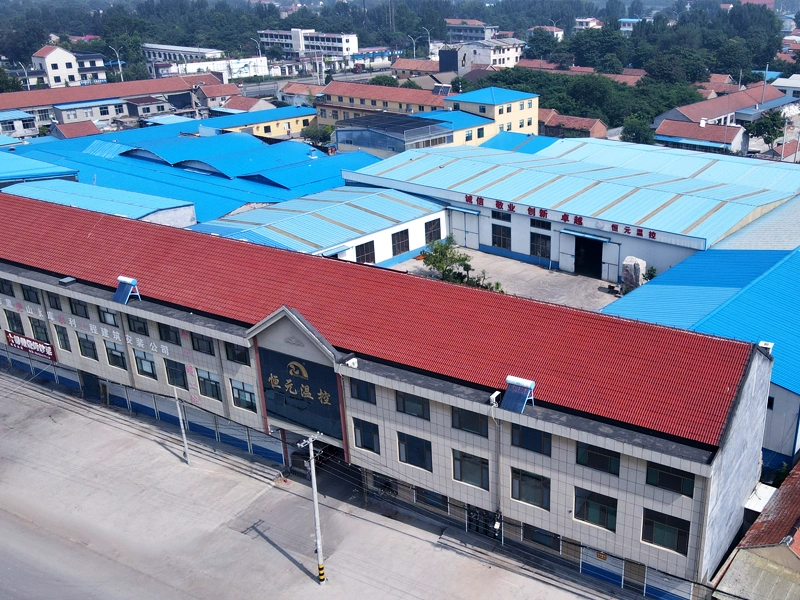
For many years, it has been committed to the development and promotion of national environmental protection and energy-saving products. It is a high-tech enterprise specializing in the production of environmental control-related equipment and technical services.
-
Blog
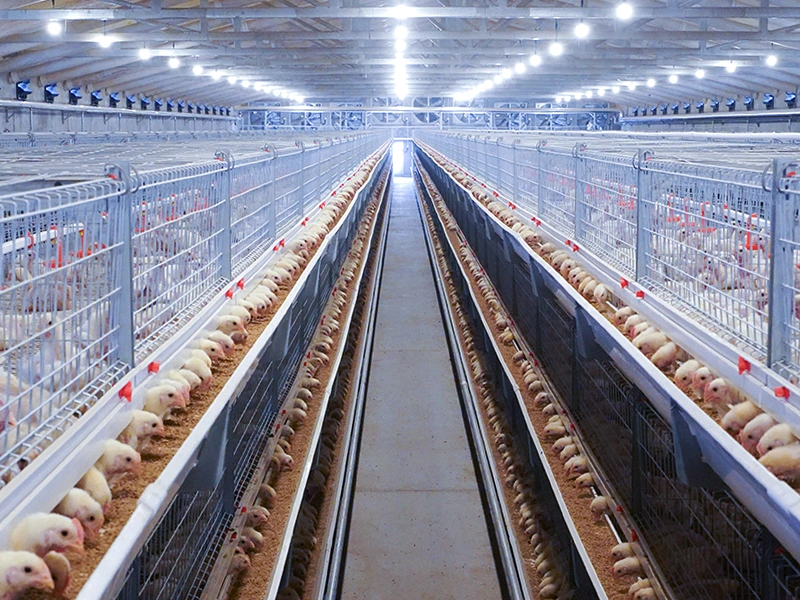
The company's goal is to provide customers with the best solutions for temperature and humidity control, to provide high-quality production and living environments for your greenhouses, livestock and poultry houses, industrial plants, etc., and to create the best benefits for you!
Farrowing House Exhaust Fans: Boosting Productivity in Modern Pig Farming
Release time:
2026-03-09
Introduction to Farrowing House Exhaust Fans in Pig Farming
In the ever-evolving world of agriculture, **pig farming** remains a cornerstone of the global meat industry. As farmers strive to improve productivity and maintain animal welfare, the role of technology becomes increasingly crucial. Among the advancements that have a substantial impact on pig farming are **farrowing house exhaust fans**. These systems are not just a luxury; they are essential for creating optimal conditions in farrowing houses, enhancing both the health of the pigs and the overall productivity of the farm.
Understanding the Importance of Ventilation in Pig Farming
Proper ventilation is a critical aspect of animal husbandry. In farrowing houses, where sows give birth and nurse their piglets, maintaining a stable environment is vital. Poor air quality can lead to several issues, including:
- **Increased Stress Levels:** High temperatures and humidity can stress sows, negatively impacting their health and productivity.
- **Disease Spread:** Stagnant air can harbor pathogens, increasing the risk of disease transmission among pigs.
- **Reduced Growth Rates:** Piglets raised in poor conditions may experience stunted growth and higher mortality rates.
By implementing effective ventilation systems, such as exhaust fans, farmers can mitigate these risks and promote a healthier environment for their livestock.
Types of Farrowing House Exhaust Fans
When choosing exhaust fans for a farrowing house, it is essential to understand the different types available. Each type has its unique features and benefits, catering to various farming needs.
1. Axial Exhaust Fans
Axial exhaust fans are highly efficient in moving large volumes of air. They are ideal for situations where high airflow is needed, such as during the summer months when temperatures may rise significantly. These fans are typically mounted on walls or ceilings and can be operated manually or automated based on temperature and humidity levels.
2. Centrifugal Exhaust Fans
Centrifugal fans are known for their ability to create high static pressure, making them suitable for larger farrowing houses where air needs to be moved through duct systems. These fans can efficiently exhaust air, improving overall airflow and maintaining a consistent environment.
3. High-Volume Low-Speed (HVLS) Fans
HVLS fans are designed to move large amounts of air at low speeds, creating a comfortable environment without creating drafts. These fans can be particularly beneficial in maintaining uniform temperature and humidity levels throughout the farrowing house.
Benefits of Installing Exhaust Fans in Farrowing Houses
The implementation of farrowing house exhaust fans yields numerous advantages that directly influence productivity and animal welfare.
Enhanced Air Quality
By continuously removing stale air and replacing it with fresh air, exhaust fans greatly enhance indoor air quality. This improvement is crucial for reducing the concentration of harmful gases such as ammonia, which can accumulate in enclosed spaces and negatively affect the respiratory health of both sows and piglets.
Temperature Regulation
Exhaust fans play a pivotal role in maintaining optimal temperatures within the farrowing house. By providing consistent ventilation, they help prevent overheating during hot weather, ensuring that sows and piglets remain comfortable and reducing heat stress.
Improved Piglet Survival Rates
Healthy air quality and optimal temperatures are directly linked to increased piglet survival rates. With better-managed environments, piglets are more likely to thrive in their early stages, leading to higher overall productivity.
Best Practices for Implementing Exhaust Fans
To fully harness the benefits of farrowing house exhaust fans, farmers must follow best practices during installation and operation.
1. Assessing Your Farrowing House Layout
Before installation, evaluate the layout of your farrowing house. Understanding airflow patterns and identifying areas prone to stagnation will help determine the best locations for fan installation.
2. Selecting the Right Fan Size
Choosing the correct fan size is crucial. Oversized fans can create excessive airflow, leading to discomfort, while undersized fans may fail to maintain adequate air quality. Consulting with a ventilation specialist can provide insights into the appropriate fan size for your specific needs.
3. Automating Fan Controls
Integrating automated controls can optimize fan performance. Utilizing temperature and humidity sensors allows fans to operate based on real-time conditions, ensuring efficient energy use while maintaining optimal environmental conditions.
Cost Considerations for Exhaust Fan Systems
When investing in farrowing house exhaust fans, it’s essential to consider both initial costs and long-term savings. Although high-quality fans may require a significant upfront investment, the benefits of improved pig health and productivity can lead to substantial returns over time.
Initial Investment
The cost of installing exhaust fans can vary widely based on the type, size, and complexity of the system. However, it is crucial to view this as a long-term investment in your farming operation.
Energy Efficiency and Savings
Energy-efficient fans may have a higher upfront cost but can lead to reduced energy bills over time. Implementing automated controls further enhances energy savings by ensuring fans run only when necessary.
FAQs About Farrowing House Exhaust Fans
1. How often should exhaust fans be serviced?
Regular servicing, ideally every six months, is recommended to ensure optimal performance and longevity. This includes cleaning, checking for wear, and ensuring that all components function correctly.
2. Can exhaust fans help reduce humidity levels?
Yes, exhaust fans are effective at reducing humidity levels by removing moisture-laden air from the farrowing house, thus promoting a drier, healthier environment for sows and piglets.
3. What size exhaust fan do I need for my farrowing house?
The size of the exhaust fan required will depend on the dimensions of your farrowing house and the number of sows. Consulting with a ventilation expert will provide tailored recommendations.
4. Can I use exhaust fans in winter?
While exhaust fans are primarily used in warmer months, they can be utilized during winter with proper management to prevent drafts and maintain adequate ventilation without cooling the space excessively.
5. How does poor ventilation affect pig health?
Poor ventilation can lead to increased respiratory diseases, heat stress, and overall decreased productivity in pigs. Proper air quality is essential for maintaining healthy livestock.
Conclusion
In conclusion, **farrowing house exhaust fans** are not merely an option; they are a crucial component in modern pig farming. By enhancing air quality, regulating temperature, and improving piglet survival rates, these systems contribute significantly to the productivity and welfare of your livestock. As the agricultural industry continues to grow and evolve, investing in technological solutions like exhaust fans will ensure that your pig farming operation remains competitive and sustainable. By following best practices for installation and maintenance, your farm can reap the rewards of a well-ventilated farrowing house, ultimately leading to a healthier, more productive herd.
recommend Content
2025-04-24
Share

Engaged in all kinds of cooling heating and animal husbandry equipment
Qingzhou Ventimax Equipment Co.,Ltd.
Economic Development zone,Qingzhou,China