
-

Products
Main products include: large-scale livestock fans, large-scale greenhouse dedicated fans, industrial plant dedicated fans, circulation fans, roof automatic ventilators and other ventilation and cooling systems; wet curtains - fans, cold fans and other cooling and humidification systems; coal (fuel oil, electricity, gas) hot air fans, exhaust fans and other heating systems; feed towers, feed lines and other feeding systems; animal husbandry cage systems; scraper conveyor manure removal machines, belt conveyor manure removal machines and other manure removal systems.
-
About Us
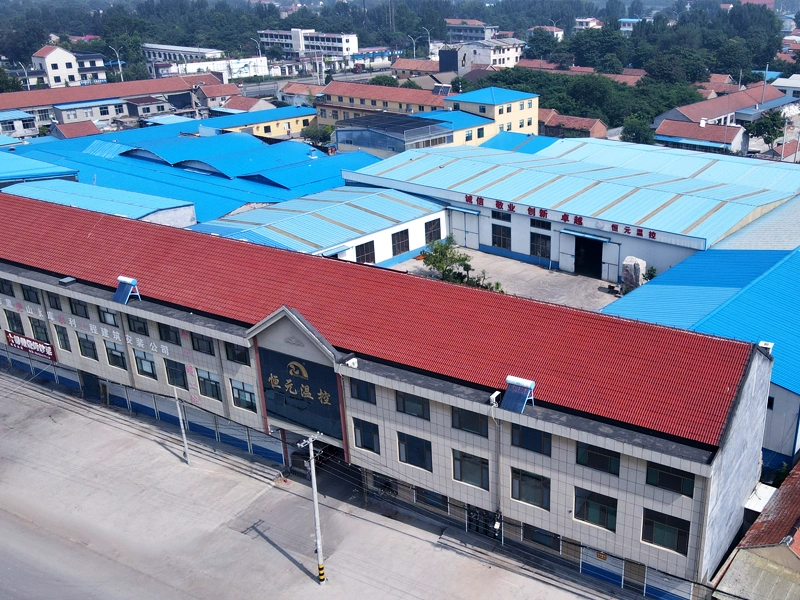
For many years, it has been committed to the development and promotion of national environmental protection and energy-saving products. It is a high-tech enterprise specializing in the production of environmental control-related equipment and technical services.
-
Blog
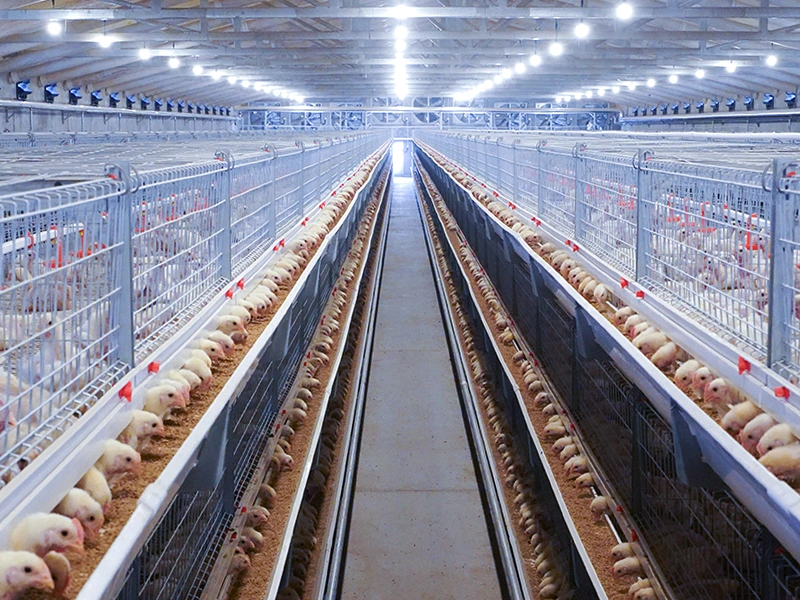
The company's goal is to provide customers with the best solutions for temperature and humidity control, to provide high-quality production and living environments for your greenhouses, livestock and poultry houses, industrial plants, etc., and to create the best benefits for you!
Maximizing Efficiency: Choosing the Right Cooling Pads for Your Swine Barn
Release time:
2026-02-19
Maximizing Efficiency: Choosing the Right Cooling Pads for Your Swine Barn
In the realm of swine farming, the welfare of livestock is paramount. One effective way to enhance the comfort of your pigs and maintain optimal productivity is by ensuring an appropriate temperature within the barn. One of the key components in achieving this is the installation of effective cooling pads. This article aims to provide a comprehensive understanding of how to maximize efficiency by choosing the right cooling pads for your swine barn.
Understanding the Importance of Cooling Pads in Swine Barns
Cooling pads play a critical role in maintaining a comfortable environment for pigs, especially during hot weather. Pigs are sensitive to heat, and when temperatures rise, their stress levels increase, leading to decreased productivity and health issues. Effective cooling systems, including cooling pads, help regulate barn temperature, ensuring the well-being of your livestock.
How Cooling Pads Work
Cooling pads operate on a simple principle: the evaporation of water. When air passes through the wet pads, it cools down and creates a more pleasant environment for the pigs. This process not only lowers the temperature but also increases humidity, which can be beneficial in certain conditions.
Benefits of Using Cooling Pads
- Enhanced Animal Welfare: Cooling pads help to reduce heat stress, providing a more comfortable living space for pigs.
- Increased Productivity: A comfortable environment promotes better feed conversion rates and overall growth.
- Energy Efficiency: Properly chosen cooling pads can reduce the need for expensive air conditioning systems.
- Cost-Effective: Investing in cooling pads can lead to long-term savings in operational costs.
Key Factors to Consider When Choosing Cooling Pads
1. Material Composition
Cooling pads are made from various materials, each with its own advantages. Common materials include cellulose, aspen fiber, and synthetic options. Cellulose pads are widely popular due to their high absorption capacity and durability. When selecting a material, consider the longevity, ease of maintenance, and initial cost.
2. Pad Thickness
The thickness of the cooling pads can significantly impact their performance. Thicker pads generally offer better cooling efficiency due to greater water retention. However, they may also require more maintenance and higher initial costs. Evaluate your budget and specific cooling needs to determine the appropriate thickness.
3. Pad Size and Configuration
Cooling pads come in various sizes and shapes. The size of your barn and the number of pigs will dictate the amount and configuration of cooling pads required. Ensure that the pads are strategically placed to optimize airflow and cooling efficiency.
4. Airflow Management
Effective airflow is crucial for maximizing the cooling effect of the pads. Ensure that your barn is equipped with appropriate ventilation systems to facilitate optimal air movement. Fans can be used in conjunction with cooling pads to enhance air circulation, ensuring that cool air reaches all areas of the barn.
5. Maintenance Requirements
Maintenance is key to ensuring the longevity and efficiency of cooling pads. Consider the ease of cleaning and the frequency of maintenance required when selecting your cooling pads. Regular upkeep will prevent mold and algae buildup, maintaining the hygiene of the barn and the health of your livestock.
Installation Tips for Cooling Pads
1. Placement Considerations
The placement of cooling pads is essential for achieving maximum efficiency. Ideally, cooling pads should be installed on the side of the barn that receives the most sunlight, as they can help cool incoming air. Position them near ventilation fans to maximize airflow across the pads.
2. Aligning with Ventilation Systems
Integrating cooling pads with existing ventilation systems is crucial. Ensure that fans are positioned to blow air through the pads, promoting effective cooling. This synergy between cooling pads and fans will create a more comfortable barn environment.
3. Testing and Adjustments
After installation, monitor the temperature and humidity levels within the barn regularly. Adjust the fan speed and water flow as needed to achieve optimal conditions. This ongoing assessment will help you fine-tune the system for the best results.
Maintaining Your Cooling Pads for Longevity
1. Regular Cleaning
To prevent the growth of bacteria and mold, regular cleaning of the cooling pads is essential. Use a mild detergent and water solution to scrub the pads and remove any buildup. This maintenance step is vital for ensuring a healthy barn environment.
2. Inspecting for Wear and Tear
Regularly inspect the cooling pads for signs of wear and tear. Look for cracks, tears, or significant degradation of the material. Timely replacement of damaged pads is crucial for maintaining cooling efficiency.
3. Seasonal Maintenance
As seasons change, so do the requirements for cooling systems. Before the hot months, conduct a thorough inspection and cleaning of all cooling pads and associated equipment. This proactive approach will ensure that your system is fully operational when temperatures rise.
Cost Considerations: Budgeting for Cooling Pads
1. Initial Investment
The initial investment in cooling pads can vary significantly based on the type of material, thickness, and size. While it may seem like a considerable upfront cost, the long-term benefits often outweigh these initial expenses.
2. Operational Costs
Consider the operational costs associated with running cooling systems, including water and electricity. Efficient cooling pads can help reduce these costs, leading to significant savings over time. Analyze your specific operational needs to create a realistic budget.
3. Return on Investment (ROI)
Ultimately, the goal of investing in cooling pads is to enhance pig welfare and productivity. Monitor growth rates and overall livestock health to evaluate the return on your investment. A successful ROI can justify the initial expenditure and provide ongoing benefits to your farm.
Frequently Asked Questions (FAQs)
1. What is the best material for cooling pads?
The best material for cooling pads depends on your specific needs. Cellulose pads are popular due to their durability and high absorption capacity, but synthetic options may also be viable based on your budget and preferences.
2. How often should cooling pads be cleaned?
Cooling pads should be cleaned at least once a month or more frequently if you notice any buildup of dirt or algae. Regular maintenance is essential for ensuring their efficiency.
3. Can I install cooling pads myself?
Yes, many farmers can install cooling pads themselves with basic tools and knowledge. However, for larger setups or more complex systems, consulting with a professional may be beneficial.
4. How do I know if my cooling pads are working effectively?
Monitor temperature and humidity levels within the barn. If temperatures are consistently higher than desired, or if pigs show signs of heat stress, it may be time to evaluate your cooling pad system.
5. What are the signs of damaged cooling pads?
Look for visible signs such as cracks, tears, or significant material degradation. If you notice any of these issues, it is crucial to replace the damaged pads promptly to maintain cooling efficiency.
Conclusion
Choosing the right cooling pads for your swine barn is a critical decision that can significantly impact the health and productivity of your livestock. By understanding the importance of cooling pads, considering key factors during selection, and implementing proper installation and maintenance practices, you can create a comfortable environment that fosters the growth and well-being of your pigs. Investing in high-quality cooling pads is not just a choice; it’s a commitment to the future success of your swine farming operation.
recommend Content
2025-04-24
Share

Engaged in all kinds of cooling heating and animal husbandry equipment
Qingzhou Ventimax Equipment Co.,Ltd.
Economic Development zone,Qingzhou,China