
-

Products
Main products include: large-scale livestock fans, large-scale greenhouse dedicated fans, industrial plant dedicated fans, circulation fans, roof automatic ventilators and other ventilation and cooling systems; wet curtains - fans, cold fans and other cooling and humidification systems; coal (fuel oil, electricity, gas) hot air fans, exhaust fans and other heating systems; feed towers, feed lines and other feeding systems; animal husbandry cage systems; scraper conveyor manure removal machines, belt conveyor manure removal machines and other manure removal systems.
-
About Us
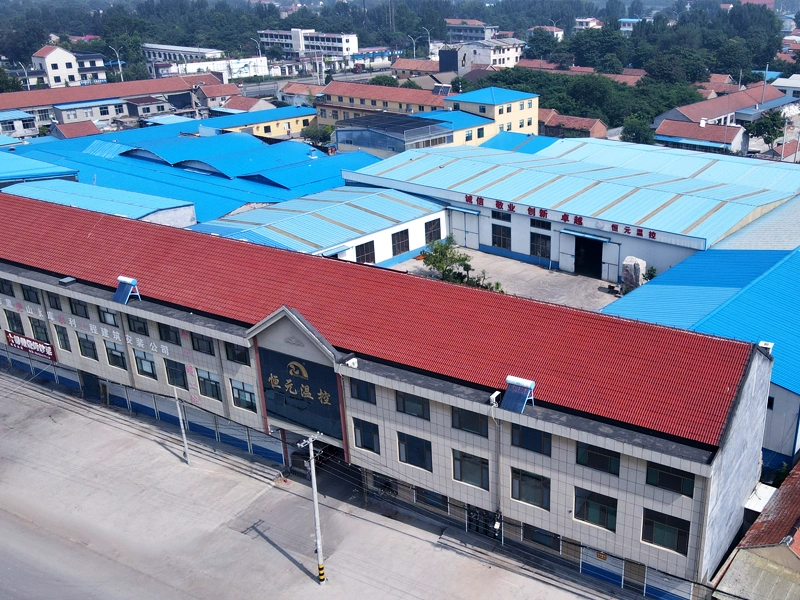
For many years, it has been committed to the development and promotion of national environmental protection and energy-saving products. It is a high-tech enterprise specializing in the production of environmental control-related equipment and technical services.
-
Blog
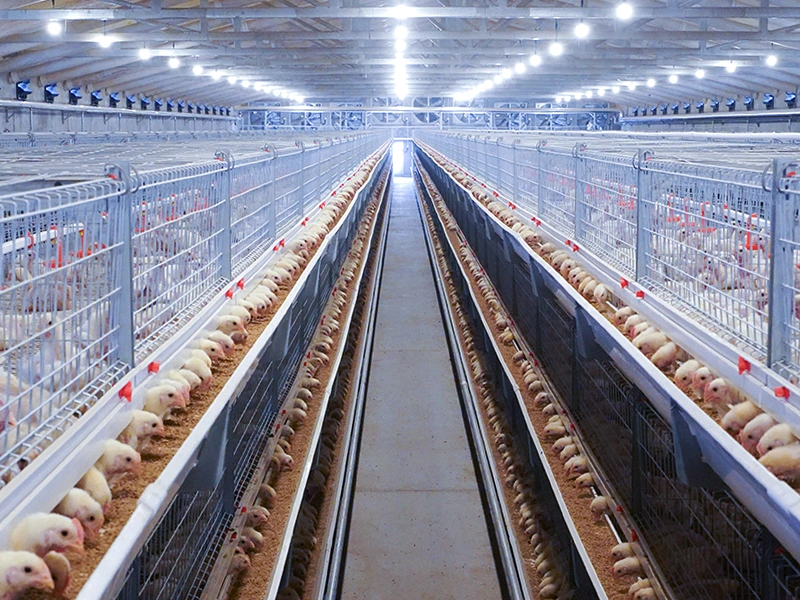
The company's goal is to provide customers with the best solutions for temperature and humidity control, to provide high-quality production and living environments for your greenhouses, livestock and poultry houses, industrial plants, etc., and to create the best benefits for you!
Enhancing Pig House Climate with Evaporative Cooling Pads
Release time:
2026-02-16
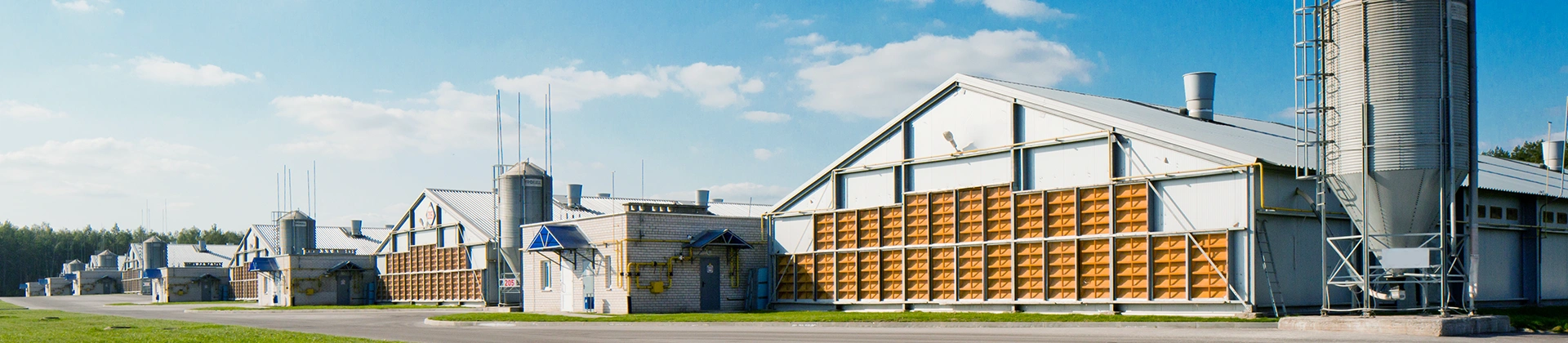
In swine production, maintaining a stable and comfortable temperature is crucial. Pigs are sensitive to heat stress, which can lead to decreased feed intake, lower growth rates, and increased susceptibility to diseases. Incorporating evaporative cooling pads into the ventilation system of a pig house helps mitigate these issues by ensuring that pigs are not subjected to extreme heat. The cooling pads are typically installed in conjunction with exhaust fans, creating a system that draws in warm air, passes it through the wet pads, and releases cooled air into the living space.
The effectiveness of evaporative cooling pads depends on several factors, including humidity levels, air velocity, and the size of the cooling pads. In drier climates, where humidity is low, evaporative cooling is particularly effective, providing significant temperature reductions. Conversely, in highly humid regions, the efficiency may be somewhat limited, but these pads can still enhance overall airflow and comfort.
When selecting evaporative cooling pads for a pig house, it is essential to consider the material and thickness of the pads. Generally, pads made from cellulose paper, which has a high water absorption capacity, are commonly used. The thickness can vary, and thicker pads often provide better cooling effects due to a larger surface area for evaporation. It’s also important to maintain the pads regularly, ensuring they are clean and properly saturated with water to maximize their cooling potential.
In addition to improving thermal comfort, evaporative cooling pads can indirectly contribute to better air quality by increasing humidity levels in the air, which can help reduce dust and ammonia concentrations in pig houses. This aspect is particularly beneficial as it can lead to healthier respiratory conditions for the animals.
In summary, implementing evaporative cooling pads in pig houses is a practical solution for enhancing the living conditions of pigs, especially during hot weather. By effectively lowering temperatures and improving air quality, these pads play a crucial role in swine management, fostering healthier animals and promoting better productivity outcomes. Investing in such cooling systems can lead to significant long-term benefits in agricultural practices.
recommend Content
2025-04-24
Share

Engaged in all kinds of cooling heating and animal husbandry equipment
Qingzhou Ventimax Equipment Co.,Ltd.
Economic Development zone,Qingzhou,China