
-

Products
Main products include: large-scale livestock fans, large-scale greenhouse dedicated fans, industrial plant dedicated fans, circulation fans, roof automatic ventilators and other ventilation and cooling systems; wet curtains - fans, cold fans and other cooling and humidification systems; coal (fuel oil, electricity, gas) hot air fans, exhaust fans and other heating systems; feed towers, feed lines and other feeding systems; animal husbandry cage systems; scraper conveyor manure removal machines, belt conveyor manure removal machines and other manure removal systems.
-
About Us
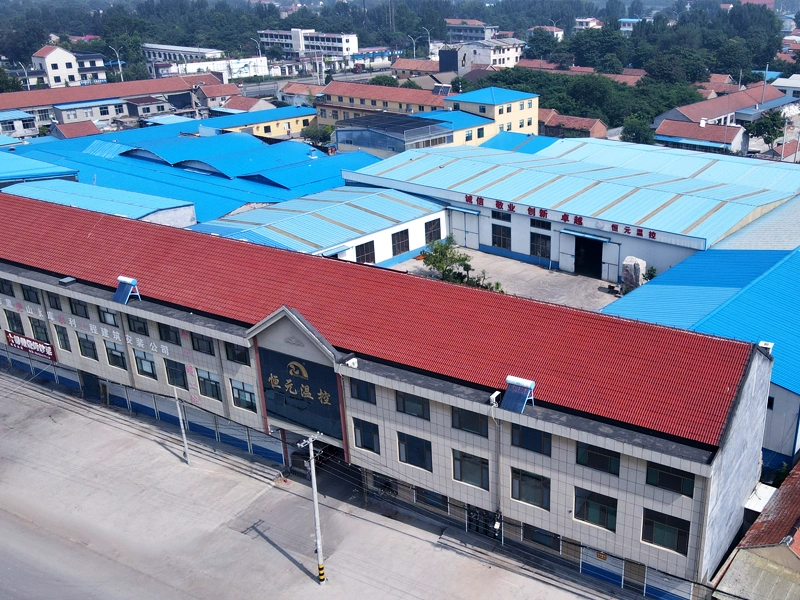
For many years, it has been committed to the development and promotion of national environmental protection and energy-saving products. It is a high-tech enterprise specializing in the production of environmental control-related equipment and technical services.
-
Blog
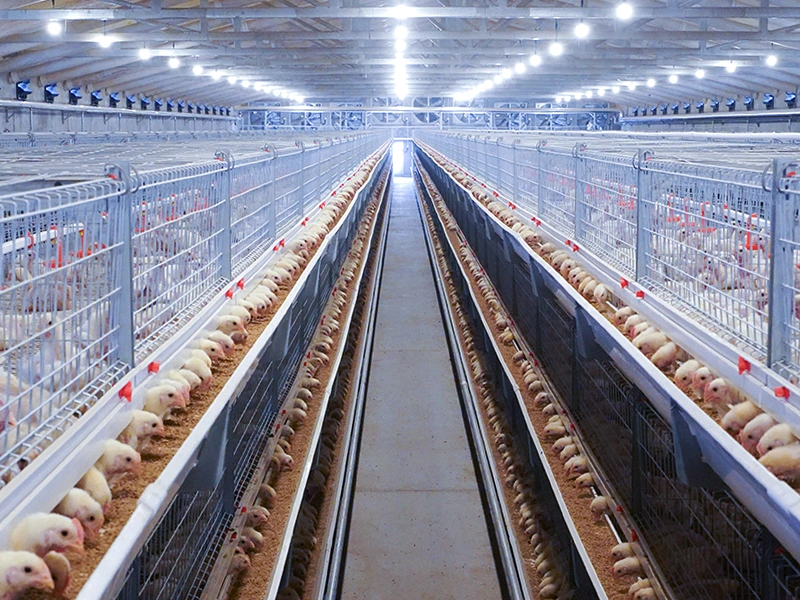
The company's goal is to provide customers with the best solutions for temperature and humidity control, to provide high-quality production and living environments for your greenhouses, livestock and poultry houses, industrial plants, etc., and to create the best benefits for you!
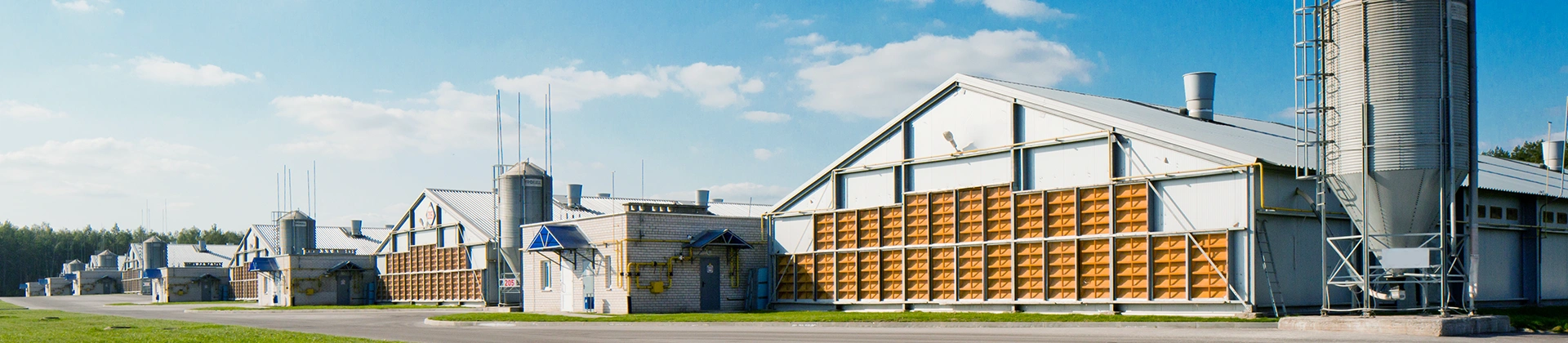
Revolutionizing Agriculture: The Future of Feeding Systems
Release time:
2025-10-30
Introduction to Feeding Systems
In the fast-paced world of agriculture, staying ahead of the curve is key. Farmers, agronomists, and agri-tech enthusiasts are buzzing about the latest innovations in Feeding Systems. These systems, which streamline the way we provide nutrients to crops and livestock, are becoming essential in meeting the demands of a growing population.
What is a Feeding System?
At its core, a Feeding System refers to the methods and technologies used to deliver nutrients and food to agricultural organisms efficiently. This can encompass everything from automated feed dispensers for livestock to precision nutrient delivery systems for crops. With the right Feeding System, farmers can optimize growth, reduce waste, and ultimately boost their bottom line.
The Current Landscape of Feeding Systems
So, what's the scoop on Feeding Systems these days? Well, innovations are sprouting up faster than you can say "crop yield!" Here are some game changers:
1. Precision Agriculture
Precision agriculture is all the rage! By utilizing sensors, GPS, and data analytics, farmers can tailor their Feeding Systems to meet the specific needs of their crops. This means applying the right amount of nutrients at the right time, which not only increases efficiency but helps preserve the environment – a win-win!
2. Automation and Robotics
Say goodbye to the old days of manual feeding! Automation and robotics are revolutionizing Feeding Systems. Automated feeders for livestock ensure that animals receive consistent nutrition without the need for constant human intervention. Plus, robotic technology is making its mark on crop management, too, with machines that can plant, tend, and harvest crops with incredible precision.
3. Sustainable Practices
These days, sustainability is the name of the game. Feeding Systems are evolving to incorporate more sustainable practices, such as using organic fertilizers and recycling waste materials. This not only helps in reducing the carbon footprint but also promotes healthier soil and ecosystems.
The Benefits of Modern Feeding Systems
The benefits of adopting advanced Feeding Systems are hard to ignore:
- Increased Efficiency: Automated and precise systems reduce labor costs and time spent on feeding.
- Cost Savings: By optimizing nutrient delivery, farmers can save money on feed and fertilizers.
- Higher Yields: Better nutrition leads to healthier crops and livestock, ultimately increasing productivity.
- Environmental Stewardship: Sustainable practices help protect natural resources for future generations.
Challenges Ahead
Now, let's not sugarcoat it – there are challenges too. Transitioning to modern Feeding Systems requires investment and training. Farmers might find it daunting to adopt new technologies, especially if they're used to traditional methods. However, with the right support and education, these hurdles can be overcome.
The Future of Feeding Systems
Looking ahead, the potential for Feeding Systems is immense. As technology continues to advance, so will the capabilities of these systems. Imagine a future where drones deliver targeted nutrients directly to plants or where smart sensors help livestock access feed based on their individual needs. The opportunities are endless!
Conclusion
In conclusion, Feeding Systems are at the forefront of agricultural innovation. They hold the key to not only feeding the world but doing so sustainably and efficiently. As we embrace these changes, the future of farming looks brighter than ever. So, farmers and tech enthusiasts alike, it's time to dig in and explore what Feeding Systems can offer!
recommend Content
2025-04-24
Share

Engaged in all kinds of cooling heating and animal husbandry equipment
Qingzhou Ventimax Equipment Co.,Ltd.
Economic Development zone,Qingzhou,China