-

Products
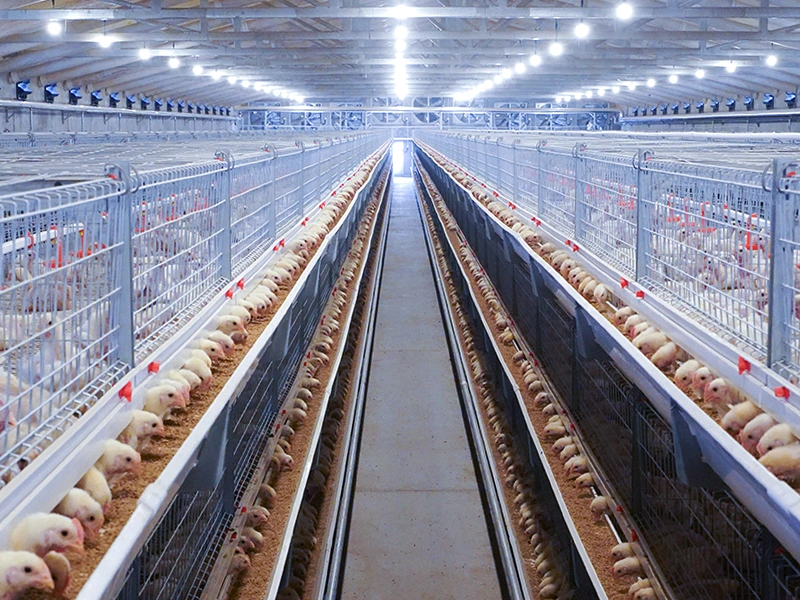
Main products include: large-scale livestock fans, large-scale greenhouse dedicated fans, industrial plant dedicated fans, circulation fans, roof automatic ventilators and other ventilation and cooling systems; wet curtains - fans, cold fans and other cooling and humidification systems; coal (fuel oil, electricity, gas) hot air fans, exhaust fans and other heating systems; feed towers, feed lines and other feeding systems; animal husbandry cage systems; scraper conveyor manure removal machines, belt conveyor manure removal machines and other manure removal systems.
-
About Us
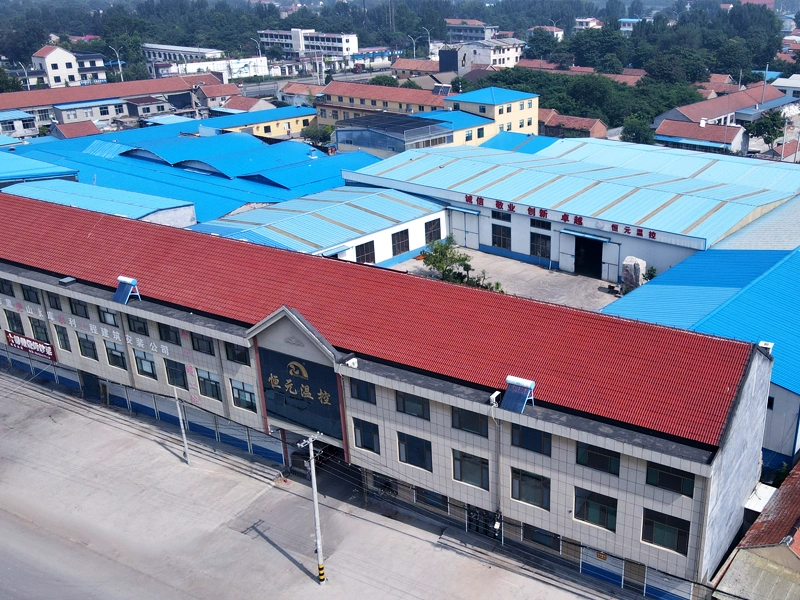
For many years, it has been committed to the development and promotion of national environmental protection and energy-saving products. It is a high-tech enterprise specializing in the production of environmental control-related equipment and technical services.
-
Blog
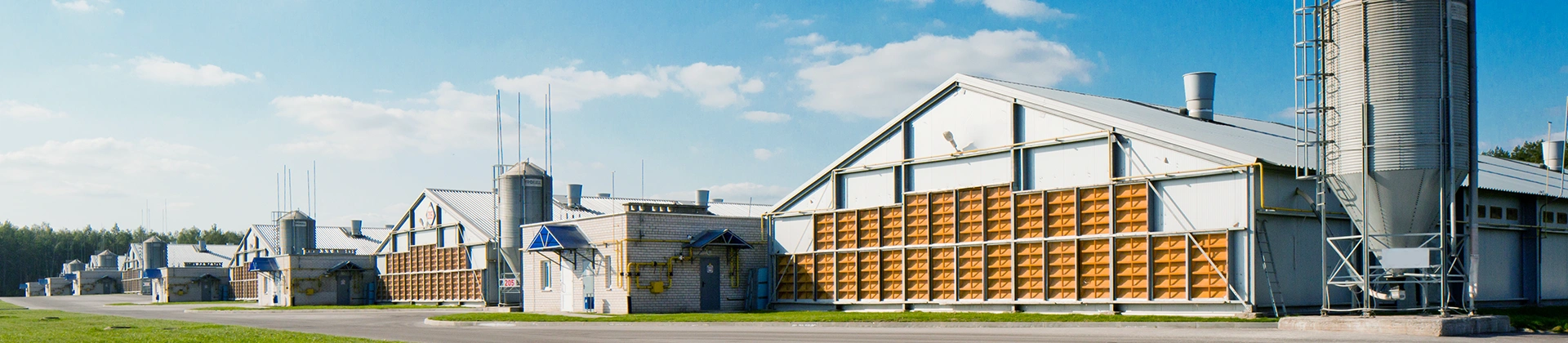
The company's goal is to provide customers with the best solutions for temperature and humidity control, to provide high-quality production and living environments for your greenhouses, livestock and poultry houses, industrial plants, etc., and to create the best benefits for you!
The Future of Feeding Systems: Innovations in Industry Solutions
Release time:
2025-10-29
Introduction to Feeding Systems
When it comes to modern industry solutions, the term feeding system keeps popping up. But what exactly does it mean? Well, it's not just about filling up a trough or distributing materials. It's about efficiency, precision, and innovation.
Why Feeding Systems Matter
Here's the kicker: a well-designed feeding system can make or break your operation. Think about it! In a manufacturing plant, the feeding system is the lifeblood that ensures raw materials flow seamlessly through production stages. Without it, chaos can reign supreme!
Types of Feeding Systems
Alright, let's dive into the nitty-gritty. Feeding systems come in various forms, and each has its unique advantages:
- Gravity Feeding: This old-school method is simple yet effective. Materials slide down to where they're needed, like a smooth ride down a hill.
- Pneumatic Feeding: Now we're getting high-tech! Using air pressure, this system can transport materials over long distances without a hitch.
- Auger Feeding: Imagine a giant screw. That's basically what an auger does, moving materials steadily and reliably.
Innovative Technologies in Feeding Systems
Hold onto your hats, folks! The future is bright with cutting-edge technologies making waves in feeding systems:
- Smart Sensors: These little gadgets monitor material flow in real-time, ensuring optimal performance. No more guesswork!
- Automation: Robots are taking over—yes, we're talking about automated feeding systems that reduce labor costs and increase efficiency.
- Data Analytics: With the right data, you can tweak your feeding system for peak performance. It's all about making informed decisions.
Challenges in Implementing Feeding Systems
Now, let's not sugarcoat things. Implementing a new feeding system comes with its fair share of challenges. From initial costs to training staff, it's a hefty undertaking. However, the long-term benefits often outweigh these hurdles.
Cost vs. Efficiency
Sure, the upfront investment can be daunting. But remember, an efficient feeding system can lead to significant savings down the road. It's all about that return on investment!
The Future of Feeding Systems
What's next on the horizon? As industries evolve, so do feeding systems. Expect advancements in AI integration, where systems learn and adapt to changing conditions automatically. Isn't that something to get excited about?
Conclusion: Embrace the Change!
In conclusion, feeding systems are not just another cog in the wheel; they are pivotal in shaping the future of industry solutions. By embracing innovation and staying ahead of the curve, businesses can ensure they remain competitive in an ever-evolving market.
recommend Content
2025-04-24
Share

Engaged in all kinds of cooling heating and animal husbandry equipment
Qingzhou Ventimax Equipment Co.,Ltd.
Economic Development zone,Qingzhou,China