
-

Products
Main products include: large-scale livestock fans, large-scale greenhouse dedicated fans, industrial plant dedicated fans, circulation fans, roof automatic ventilators and other ventilation and cooling systems; wet curtains - fans, cold fans and other cooling and humidification systems; coal (fuel oil, electricity, gas) hot air fans, exhaust fans and other heating systems; feed towers, feed lines and other feeding systems; animal husbandry cage systems; scraper conveyor manure removal machines, belt conveyor manure removal machines and other manure removal systems.
-

About Us
For many years, it has been committed to the development and promotion of national environmental protection and energy-saving products. It is a high-tech enterprise specializing in the production of environmental control-related equipment and technical services.
-
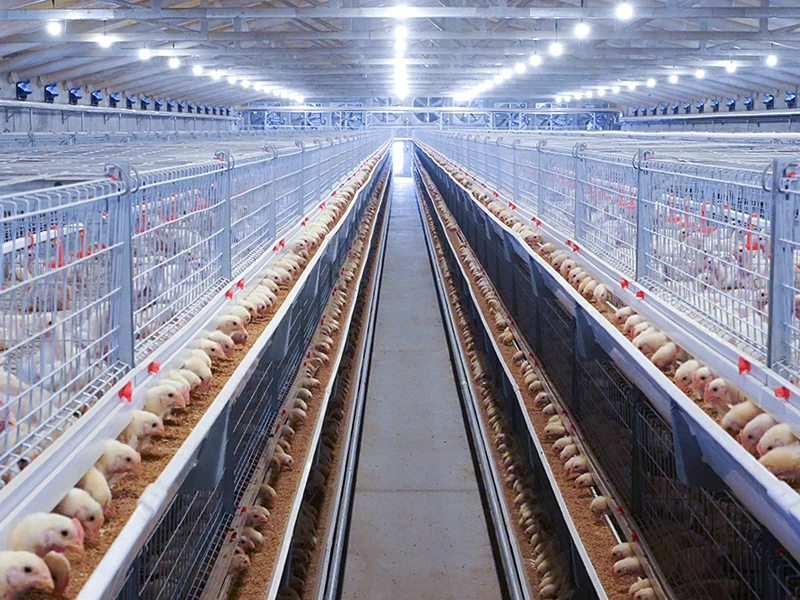
Blog
The company's goal is to provide customers with the best solutions for temperature and humidity control, to provide high-quality production and living environments for your greenhouses, livestock and poultry houses, industrial plants, etc., and to create the best benefits for you!
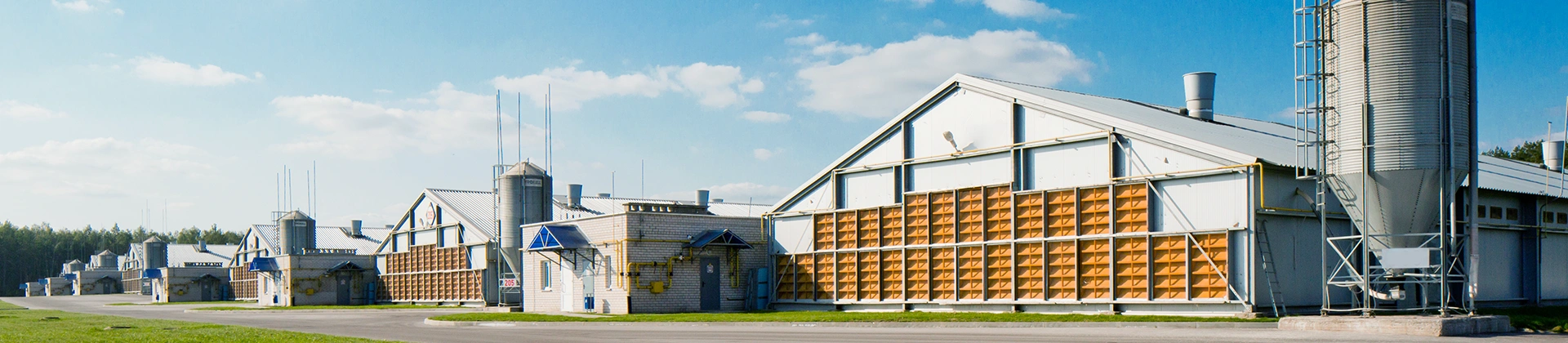
Transform Your Barn: Cost-Effective Ventilation Shutter Ideas for Optimal Airflow
Release time:
2026-07-25
Transform Your Barn: Cost-Effective Ventilation Shutter Ideas for Optimal Airflow
Introduction to Barn Ventilation Shutters
In the world of barn management, **ventilation** plays an essential role in maintaining a healthy and efficient environment for both livestock and stored materials. Proper airflow can prevent the buildup of moisture, control odors, and ensure the well-being of your animals. One effective way to enhance ventilation is through the installation of **cost-effective ventilation shutters**. This article explores innovative ideas, materials, and design tips for transforming your barn with budget-friendly ventilation solutions.
Understanding the Importance of Ventilation in Barns
Before diving into specific shutter ideas, it's crucial to understand why ventilation is vital in barn environments.
1. Healthier Livestock
Animals require adequate airflow to thrive. Insufficient ventilation can lead to respiratory issues, increased stress levels, and the spread of diseases. Ventilation shutters allow for **fresh air circulation**, significantly improving the health of your livestock.
2. Moisture Control
Excess moisture in a barn can lead to mold growth and structural damage. Proper ventilation helps to regulate humidity levels, minimizing the risk of moisture-related problems. By installing effective ventilation shutters, you can help prevent these issues and extend the lifespan of your barn.
3. Odor Management
Foul odors can accumulate in enclosed spaces, leading to discomfort for both animals and humans. Designing your barn with adequate ventilation through shutters can help dissipate these odors, creating a more pleasant environment.
Cost-Effective Materials for Ventilation Shutters
When considering ventilation shutters, the choice of materials can significantly impact both cost and durability.
1. Wood Shutters
Wood is a classic choice for barn shutters due to its aesthetic appeal and availability. Constructing wooden shutters is relatively straightforward, making it an excellent DIY project. Properly sealing the wood can protect against moisture and prolong its lifespan.
2. Vinyl Shutters
Vinyl shutters are an excellent cost-effective alternative. They are **low-maintenance**, resistant to rot and decay, and come in various styles and colors. The durability of vinyl makes it a suitable option for barns exposed to the elements.
3. Metal Shutters
For those looking for a sturdy option, metal shutters provide excellent insulation and durability. They can withstand harsh weather conditions, making them ideal for barns in regions with extreme climates. However, ensure that metal shutters are treated to prevent rust.
Creative Design Ideas for Ventilation Shutters
The design of your ventilation shutters can enhance your barn's functionality and appearance.
1. Louvered Shutters
Louvered shutters are a popular choice as they allow for adjustable airflow while maintaining privacy. These shutters can be tilted to control the direction of airflow, making them versatile for varying weather conditions.
2. Sliding Shutters
Sliding shutters can be opened or closed easily, providing flexibility in airflow management. They can be designed to slide open completely or partially, depending on your ventilation needs.
3. Removable Shutter Designs
Consider designing shutters that can be easily removed during milder weather. This feature allows for maximum airflow without the need for permanent fixtures, thus offering additional adaptability.
Installation Tips for Ventilation Shutters
Installing ventilation shutters doesn’t have to be complicated. Here are some key tips to ensure an effective installation:
1. Assess Your Barn’s Layout
Before installation, evaluate your barn's layout. Determine the best locations for your ventilation shutters where they can effectively allow fresh air to circulate while also allowing hot air to escape.
2. Follow Local Building Codes
Always check local building codes regarding ventilation requirements and materials. This ensures safety and compliance while also avoiding potential fines or rework.
3. Use Quality Hardware
Invest in durable hardware for your shutters. High-quality hinges, latches, and locks are essential for ensuring longevity and functionality, especially in outdoor applications.
Maintenance of Ventilation Shutters
Regular maintenance of ventilation shutters is essential to keeping them functional and effective.
1. Inspect for Damage
Regularly inspect your shutters for signs of wear and tear, especially after extreme weather events. Look for cracks, warping, or rust (in metal shutters) and address any issues promptly.
2. Clean and Lubricate Moving Parts
Keep the moving parts of your shutters clean and lubricated to ensure easy operation. A simple cleaning routine can prevent dirt and debris from accumulating, which can hinder functionality.
3. Seasonal Maintenance Checks
Conduct seasonal maintenance checks to prepare your barn for different weather conditions. This includes ensuring that shutters can close securely against wind and rain.
DIY Ventilation Shutter Projects
For those who enjoy DIY projects, creating your own ventilation shutters can be both satisfying and cost-effective.
1. Basic Wooden Shutter Construction
Constructing basic wooden shutters requires minimal tools and materials. Start with plywood, hinges, and weatherproof paint for durability. Follow online tutorials for step-by-step guidance.
2. Repurposed Materials
Consider using repurposed materials for unique shutter designs. Old pallets, barn wood, or even metal scraps can provide a rustic charm while being economical.
3. Customizable Shutter Designs
Create shutters that you can personalize with colors, designs, or patterns to match the aesthetic of your barn. Customization adds character while also serving a functional purpose.
Conclusion
Transforming your barn with cost-effective ventilation shutter ideas not only enhances airflow but also contributes to the overall health and functionality of your space. By understanding the importance of proper ventilation, selecting the right materials, and considering creative designs, you can create a barn that is both efficient and inviting. Whether you choose to undertake DIY projects or hire professionals, the investment in ventilation shutters is a step toward a healthier, more productive barn environment.
FAQs
1. What are the benefits of ventilation shutters for barns?
Ventilation shutters improve air quality, control moisture, manage odors, and enhance the overall well-being of livestock.
2. How do I determine the best placement for ventilation shutters?
Evaluate your barn’s layout and airflow patterns. Shutters should be placed to maximize fresh air intake and hot air escape.
3. Are there any specific building codes I need to follow for barn shutters?
Yes, check with local building codes regarding ventilation requirements to ensure compliance and safety.
4. How can I maintain my ventilation shutters?
Regularly inspect for damage, clean moving parts, and conduct seasonal maintenance checks to ensure optimal functionality.
5. Can I install ventilation shutters myself?
Yes, many homeowners can successfully install ventilation shutters as a DIY project, especially if they follow detailed guides and instructions.
recommend Content
2025-04-24
Share

Engaged in all kinds of cooling heating and animal husbandry equipment
Qingzhou Ventimax Equipment Co.,Ltd.
Economic Development zone,Qingzhou,China