
-

Products
Main products include: large-scale livestock fans, large-scale greenhouse dedicated fans, industrial plant dedicated fans, circulation fans, roof automatic ventilators and other ventilation and cooling systems; wet curtains - fans, cold fans and other cooling and humidification systems; coal (fuel oil, electricity, gas) hot air fans, exhaust fans and other heating systems; feed towers, feed lines and other feeding systems; animal husbandry cage systems; scraper conveyor manure removal machines, belt conveyor manure removal machines and other manure removal systems.
-
About Us
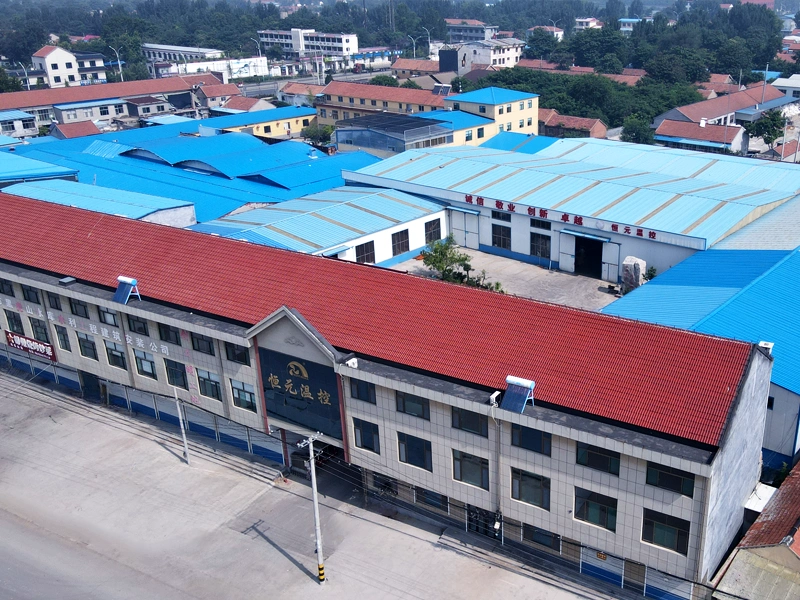
For many years, it has been committed to the development and promotion of national environmental protection and energy-saving products. It is a high-tech enterprise specializing in the production of environmental control-related equipment and technical services.
-
Blog
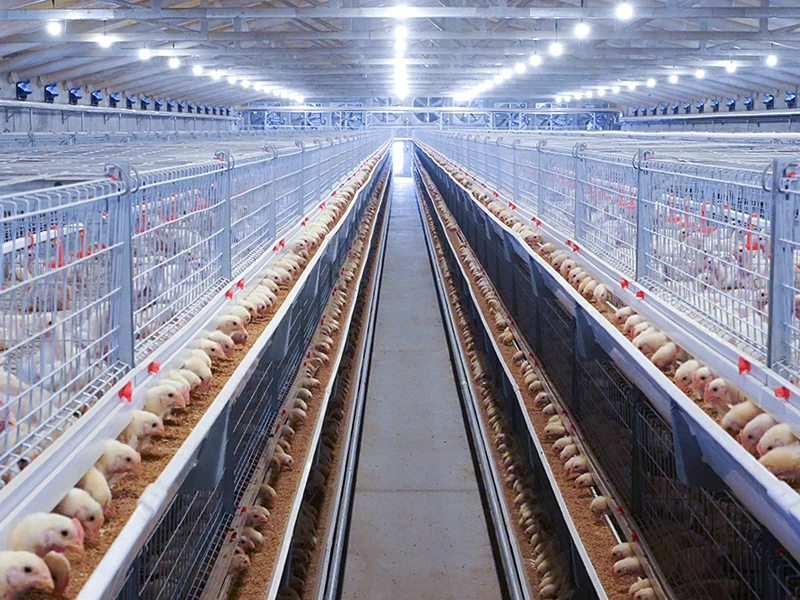
The company's goal is to provide customers with the best solutions for temperature and humidity control, to provide high-quality production and living environments for your greenhouses, livestock and poultry houses, industrial plants, etc., and to create the best benefits for you!
Why Every Swine Operation Needs Effective Cooling Systems: Ensuring Optimal Health and Productivity
Release time:
2026-07-19
Why Every Swine Operation Needs Effective Cooling Systems
Introduction to the Importance of Cooling Systems in Swine Operations
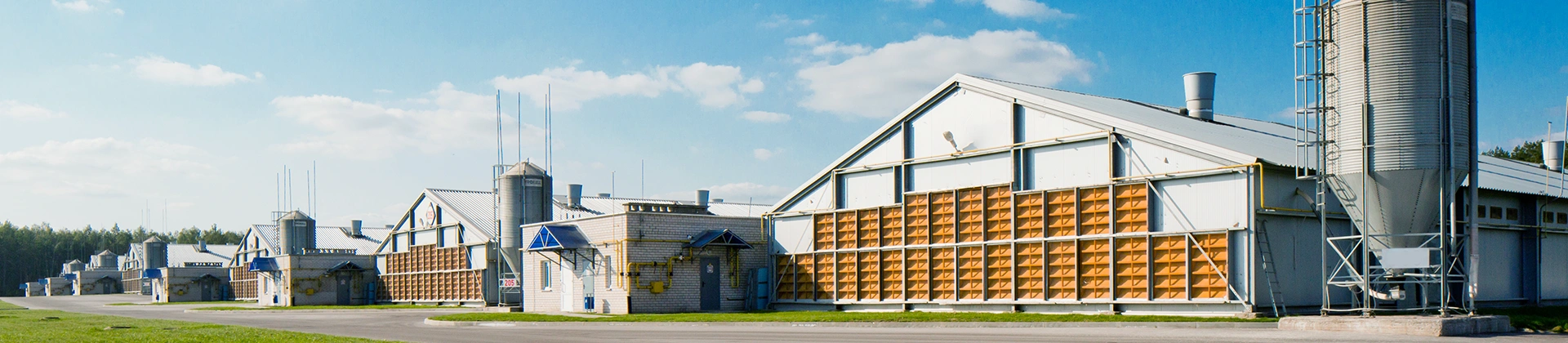
Swine operations face unique challenges, particularly concerning maintaining optimal environmental conditions for their livestock. The heat stress experienced by pigs can lead to significant health issues, reduced productivity, and even increased mortality rates. This article delves into the necessity of effective cooling systems, highlighting their benefits and offering insights into how they can be integrated into swine facilities.
Understanding Heat Stress in Swine
What Is Heat Stress?
Heat stress occurs when pigs cannot regulate their body temperature due to high environmental temperatures and humidity levels. Swine are particularly susceptible to heat stress because they possess a limited ability to dissipate heat. As a result, it is crucial to understand the factors contributing to heat stress and how effective cooling systems can mitigate these effects.
Symptoms and Effects of Heat Stress
Recognizing the signs of heat stress in pigs is essential for timely intervention. Symptoms may include:
- Increased respiration rates
- Decreased feed intake
- Behavioral changes such as seeking shade or water
- Reduced growth rates and reproductive performance
- Higher susceptibility to diseases
Prolonged exposure to heat stress can lead to severe consequences, including decreased productivity, impaired immune function, and even death.
The Role of Cooling Systems in Mitigating Heat Stress
Types of Cooling Systems for Swine Operations
There are several types of cooling systems that can be effectively utilized in swine operations:
- **Evaporative Cooling Systems**: These systems use water evaporation to cool the air. They are highly efficient in hot, dry climates and can significantly reduce the temperature in the barn.
- **Mechanical Ventilation**: This method involves using fans to increase air circulation, which helps to lower the ambient temperature and allows pigs to cool themselves through increased airflow.
- **Misting Systems**: Misting systems introduce fine water droplets into the air, creating a cooling effect as the water evaporates. These systems are particularly useful in reducing heat stress during peak temperature hours.
- **Air Conditioning Units**: While more common in smaller operations, air conditioning can provide a stable and comfortable environment for pigs, particularly in extreme heat conditions.
Benefits of Implementing Effective Cooling Systems
Effective cooling systems offer numerous benefits for swine operations, including:
- **Improved Animal Welfare**: Providing a comfortable environment helps maintain the health and well-being of pigs, leading to happier and healthier livestock.
- **Enhanced Productivity**: Pigs that are comfortable can perform better in terms of growth rates and reproductive efficiency, ultimately leading to higher profitability.
- **Reduced Veterinary Costs**: Preventing heat stress can lower the risk of heat-related illnesses, decreasing the need for veterinary interventions and associated costs.
Designing an Effective Cooling System for Your Swine Operation
Assessing Your Facility’s Needs
Before implementing a cooling system, it is essential to assess your facility's specific needs. Factors to consider include:
- **Geographic Location**: The climate in which your operation is situated will significantly influence the type of cooling system needed.
- **Barn Design**: The layout and design of your barns can impact air circulation and the effectiveness of cooling systems.
- **Size of the Operation**: Larger operations may require more extensive cooling solutions, while smaller farms might benefit from simpler systems.
Choosing the Right System for Your Operation
Selecting the appropriate cooling system requires careful consideration of various factors:
- **Cost vs. Efficiency**: Evaluate the initial investment against long-term energy savings and overall efficiency.
- **Maintenance Requirements**: Some systems may require more maintenance than others. Choose one that fits your operational capabilities.
- **Flexibility and Scalability**: As your operation grows, your cooling system should be adaptable to accommodate increased needs.
Best Practices for Maintaining Cooling Systems
Regular Inspections and Maintenance
To ensure cooling systems operate efficiently, it is crucial to conduct regular inspections and maintenance. This includes:
- **Cleaning Dust and Debris**: Regularly clean fans, ducts, and misting nozzles to maintain airflow and efficiency.
- **Checking Water Supply**: Ensure that evaporative cooling and misting systems have a reliable water source, and check for leaks or blockages.
- **Monitoring System Performance**: Keep an eye on temperature levels and system output to identify any issues early.
Training Staff on System Operation
Effective cooling system operation relies on knowledgeable staff. Providing training ensures that all team members can recognize potential problems and operate the systems efficiently.
The Economic Impact of Cooling Systems on Swine Operations
Return on Investment (ROI)
Investing in effective cooling systems can yield significant returns. While the initial costs may be substantial, the long-term benefits include:
- **Increased Growth Rates**: Pigs raised in comfortable environments tend to grow faster, leading to quicker turnaround times and increased profitability.
- **Lower Feed Costs**: Improved feed conversion ratios occur when pigs are not stressed, allowing for reduced feed expenses.
- **Enhanced Reproductive Performance**: Maintaining optimal temperatures can lead to better breeding outcomes, resulting in larger litter sizes and healthier piglets.
Case Studies: Successful Implementation of Cooling Systems
Example 1: Large Scale Operation in a Hot Climate
A large swine operation in the southern United States faced significant challenges due to extreme summer temperatures. By investing in a combination of evaporative cooling and mechanical ventilation systems, the operation successfully reduced heat stress levels, resulting in a 15% increase in overall productivity.
Example 2: Small Farm Adopting Misting Systems
A small swine farm in a temperate region adopted misting systems during the summer months. The implementation led to a noticeable improvement in pig comfort and a reduction in heat-related health issues, ultimately boosting their profitability.
FAQs about Cooling Systems in Swine Operations
1. How do I know if my pigs are experiencing heat stress?
Look for signs such as excessive panting, lethargy, decreased feed intake, and altered behavior.
2. What type of cooling system is best for my operation size?
Smaller operations may benefit from misting or evaporative cooling, while larger farms might require mechanical ventilation or a combination of systems.
3. Can cooling systems reduce veterinary costs?
Yes, effective cooling systems can lower the incidence of heat-related health issues, thus reducing the need for veterinary care.
4. How often should I maintain my cooling systems?
Regular inspections should be conducted monthly, with thorough maintenance performed at least twice a year.
5. What is the initial investment for a cooling system?
Costs vary widely based on the system type and facility size, but long-term savings often justify the initial expense.
Conclusion
In conclusion, effective cooling systems are essential for every swine operation to combat heat stress and ensure optimal health and productivity. By understanding the importance of maintaining a comfortable environment for pigs, producers can significantly enhance their operations' efficiency and profitability. Investing in the right cooling solutions not only improves animal welfare but also contributes to the overall success of swine farming. Embracing these systems is a step toward a healthier, more productive future in the swine industry.
recommend Content
2025-04-24
Share

Engaged in all kinds of cooling heating and animal husbandry equipment
Qingzhou Ventimax Equipment Co.,Ltd.
Economic Development zone,Qingzhou,China