
-

Products
Main products include: large-scale livestock fans, large-scale greenhouse dedicated fans, industrial plant dedicated fans, circulation fans, roof automatic ventilators and other ventilation and cooling systems; wet curtains - fans, cold fans and other cooling and humidification systems; coal (fuel oil, electricity, gas) hot air fans, exhaust fans and other heating systems; feed towers, feed lines and other feeding systems; animal husbandry cage systems; scraper conveyor manure removal machines, belt conveyor manure removal machines and other manure removal systems.
-
About Us
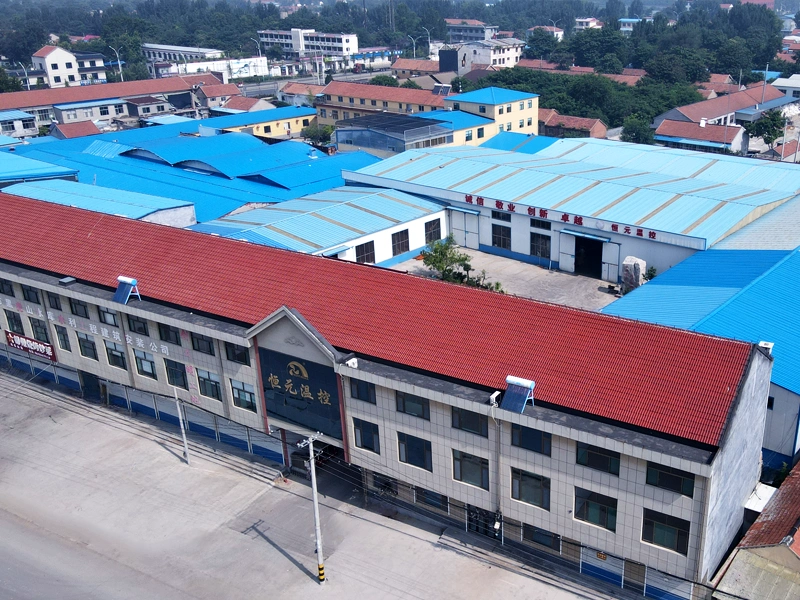
For many years, it has been committed to the development and promotion of national environmental protection and energy-saving products. It is a high-tech enterprise specializing in the production of environmental control-related equipment and technical services.
-
Blog
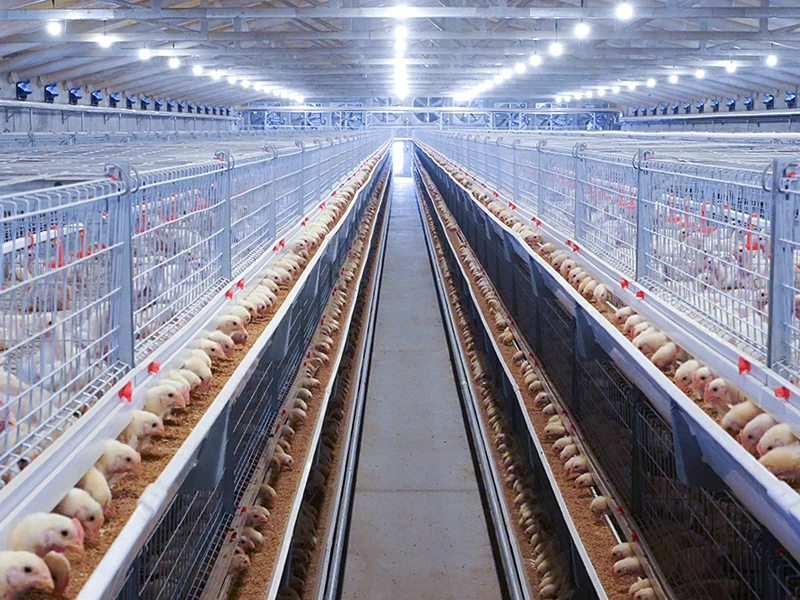
The company's goal is to provide customers with the best solutions for temperature and humidity control, to provide high-quality production and living environments for your greenhouses, livestock and poultry houses, industrial plants, etc., and to create the best benefits for you!
High Airflow Cone Fans: Essential Equipment for Healthy Dairy Cows
Release time:
2026-07-13
High Airflow Cone Fans: Essential Equipment for Healthy Dairy Cows
Introduction to High Airflow Cone Fans
In the realm of dairy farming, the health and well-being of dairy cows are paramount. One often overlooked but crucial aspect of maintaining a healthy herd is the ventilation system in barns. **High airflow cone fans** serve as a vital component in ensuring that dairy cows thrive in a comfortable environment. These fans are designed to deliver substantial airflow while minimizing energy consumption, making them an essential investment for dairy operations.
The Importance of Ventilation in Dairy Farming
Effective ventilation in dairy barns is essential for several reasons:
1. Regulating Temperature and Humidity
Cows are sensitive to temperature fluctuations. High temperatures can lead to heat stress, which negatively impacts milk production and overall health. Cone fans help regulate barn temperatures, keeping cows cool during hot months by moving hot air out and replacing it with cooler air.
2. Enhancing Air Quality
Poor air quality can lead to respiratory issues in cattle. **High airflow cone fans** help disperse harmful gases, dust, and ammonia, creating a healthier environment for the cows. Good air quality is essential for reducing the risk of respiratory diseases and improving overall herd health.
3. Improving Cow Comfort
Cows are more productive when they are comfortable. High airflow fans ensure that cows have a consistent flow of fresh air, which promotes relaxation and contentment. This comfort directly correlates with increased milk yield and better growth rates in calves.
Benefits of High Airflow Cone Fans
Investing in high airflow cone fans offers numerous advantages for dairy farmers:
1. Increased Milk Production
Research shows that cows that experience optimal ventilation produce more milk. By maintaining comfortable temperatures and air quality, high airflow cone fans can lead to an increase in milk yield of up to 10%.
2. Energy Efficiency
Modern high airflow cone fans are designed with energy efficiency in mind. They consume less electricity while providing powerful airflow, leading to reduced operational costs and a lower carbon footprint.
3. Versatility in Installation
Cone fans can be installed in various configurations—whether mounted on walls, ceilings, or used as portable units. Their versatile design allows for easy integration into existing barn setups, making them a flexible solution for different farming environments.
Choosing the Right High Airflow Cone Fan
Selecting the appropriate cone fan requires consideration of several factors:
1. Size and Capacity
The size of the fan must match the dimensions of the barn. Larger barns may require multiple fans to ensure adequate airflow. Additionally, consider the fan's air movement capacity, typically measured in cubic feet per minute (CFM).
2. Noise Level
While fans are essential for maintaining airflow, excessive noise can stress cows. Look for models that operate quietly, ensuring that cows remain relaxed and undisturbed.
3. Durability and Maintenance
Dairy farming environments can be harsh. Choose fans made from durable materials that can withstand moisture, dust, and other elements. Regular maintenance is also crucial; opt for fans that can be easily cleaned and serviced.
Installation Tips for High Airflow Cone Fans
Proper installation maximizes the effectiveness of high airflow cone fans:
1. Strategic Placement
Position fans to create a cross-ventilation effect, allowing cool air to enter from one side and hot air to exit from the other. This placement enhances airflow throughout the barn.
2. Follow Manufacturer Guidelines
Always adhere to the installation guidelines provided by the manufacturer. This ensures optimal performance and longevity of the fans.
3. Regular Monitoring
After installation, monitor the performance of the fans. Adjust their positions and speeds as needed to maintain optimal airflow and cow comfort.
Cost Considerations and ROI
Investing in high airflow cone fans involves understanding the costs versus the expected return on investment (ROI):
1. Initial Investment
The upfront cost of purchasing and installing fans can vary. Consider the size of the barn and the number of fans needed when budgeting for this investment.
2. Long-term Savings
Energy-efficient fans can significantly reduce electricity costs, leading to savings over time. Additionally, healthier cows result in lower veterinary costs and increased milk production, improving overall profitability.
3. Grants and Incentives
Many agricultural programs offer grants or incentives for improving farm energy efficiency. Explore these options to alleviate some of the initial financial burden associated with installing ventilation systems.
Integrating High Airflow Cone Fans with Other Ventilation Systems
For optimal results, consider how high airflow cone fans can work in conjunction with other ventilation strategies:
1. Natural Ventilation
Combining cone fans with natural ventilation methods, such as open eaves or windows, can maximize airflow while reducing reliance on mechanical systems.
2. Evaporative Cooling Systems
In hotter climates, integrating cone fans with evaporative cooling systems can further enhance cow comfort and productivity. The fans help circulate the cool, moist air produced by these systems.
3. Monitoring Systems
Invest in monitoring systems that track temperature and humidity levels in the barn. This information can help adjust fan operations for peak efficiency and cow comfort.
Success Stories: Impact of High Airflow Cone Fans in Dairy Farms
Many dairy farms have reported remarkable improvements after installing high airflow cone fans:
1. Case Study: Green Pastures Dairy
Green Pastures Dairy, located in Wisconsin, saw a 15% increase in milk production following the installation of high airflow cone fans. The farm also reported a significant reduction in heat stress during the summer months, leading to happier and healthier cows.
2. Case Study: Sunny Meadows Farm
At Sunny Meadows Farm in California, the integration of cone fans with natural ventilation strategies improved overall barn conditions. The combination led to improved air quality and lower veterinary costs due to healthier animals.
FAQs about High Airflow Cone Fans in Dairy Farming
1. What is the average lifespan of high airflow cone fans?
Most high-quality high airflow cone fans can last between 10 to 15 years with proper maintenance.
2. How do I know if my barn needs better ventilation?
Signs of poor ventilation include high humidity levels, strong odors, and stressed or lethargic cows.
3. Can high airflow cone fans be used in winter?
Yes, they can help circulate warm air and prevent moisture buildup, which can lead to respiratory issues in cows.
4. What maintenance do high airflow cone fans require?
Regular cleaning of the fan blades and motors, checking for obstructions, and ensuring electrical connections are secure are essential maintenance tasks.
5. Are there any specific brands of high airflow cone fans that you recommend?
Look for reputable brands known for durability and performance, such as **Big Ass Fans**, **Schneider Electric**, and **Schaefer Ventilation**.
Conclusion
High airflow cone fans are an invaluable asset for dairy farmers aiming to create a healthy, productive environment for their cows. By understanding the benefits of these fans, choosing the right models, and implementing them strategically, dairy farms can significantly enhance cow comfort, improve air quality, and ultimately increase milk production. As the industry continues to evolve, embracing innovative solutions like high airflow cone fans will be essential for maintaining a competitive edge in dairy farming.
recommend Content
2025-04-24
Share

Engaged in all kinds of cooling heating and animal husbandry equipment
Qingzhou Ventimax Equipment Co.,Ltd.
Economic Development zone,Qingzhou,China