
-

Products
Main products include: large-scale livestock fans, large-scale greenhouse dedicated fans, industrial plant dedicated fans, circulation fans, roof automatic ventilators and other ventilation and cooling systems; wet curtains - fans, cold fans and other cooling and humidification systems; coal (fuel oil, electricity, gas) hot air fans, exhaust fans and other heating systems; feed towers, feed lines and other feeding systems; animal husbandry cage systems; scraper conveyor manure removal machines, belt conveyor manure removal machines and other manure removal systems.
-
About Us
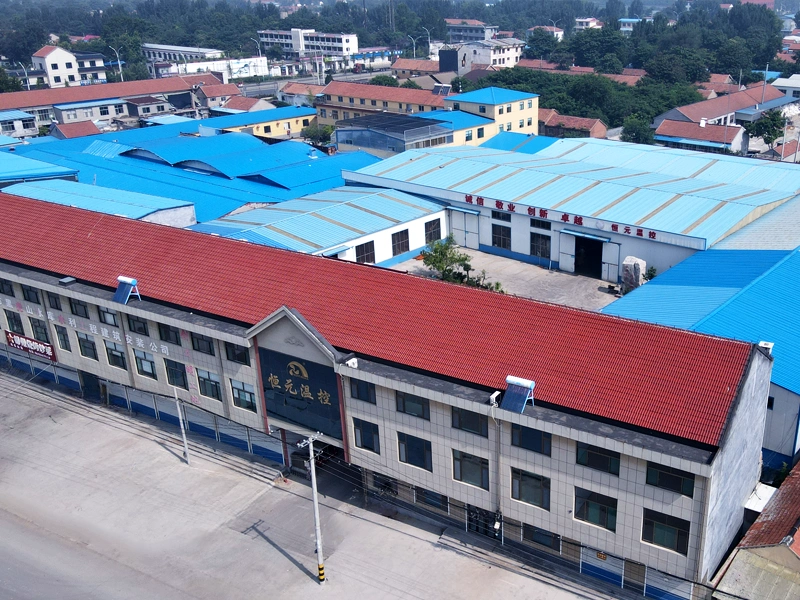
For many years, it has been committed to the development and promotion of national environmental protection and energy-saving products. It is a high-tech enterprise specializing in the production of environmental control-related equipment and technical services.
-
Blog
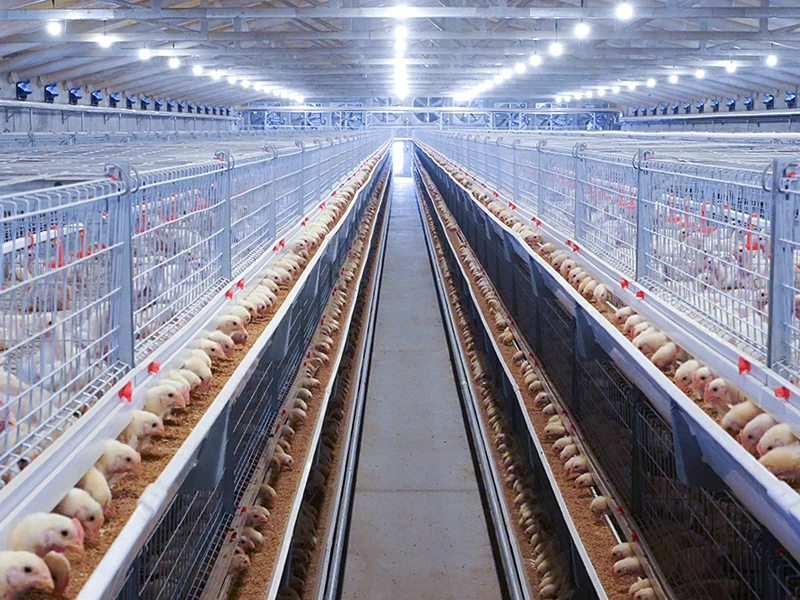
The company's goal is to provide customers with the best solutions for temperature and humidity control, to provide high-quality production and living environments for your greenhouses, livestock and poultry houses, industrial plants, etc., and to create the best benefits for you!
Understanding Evaporative Cooling Pads for Pig Houses: Enhancing Livestock Comfort and Productivity
Release time:
2026-06-16
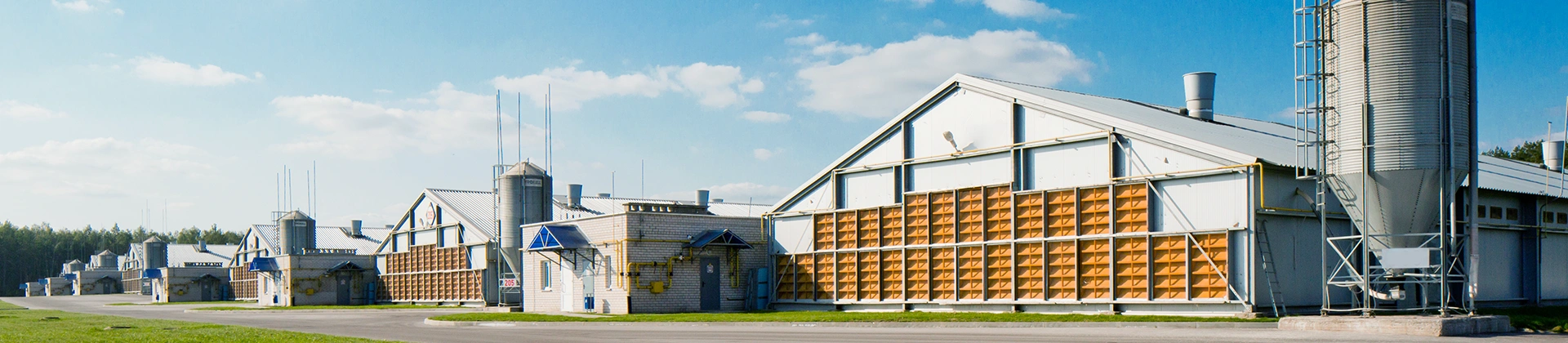
The principle behind evaporative cooling is straightforward: as water evaporates, it absorbs heat from the surrounding air, resulting in a decrease in temperature. In pig houses, where animals are sensitive to heat stress, maintaining an optimal temperature is crucial for their health. High temperatures can lead to reduced feed intake, lower growth rates, and increased susceptibility to diseases. Therefore, implementing evaporative cooling pads can significantly enhance both animal welfare and productivity.
Evaporative cooling pads are typically made from materials that facilitate water absorption and airflow, such as cellulose or synthetic fibers. When air passes through these wet pads, it cools down due to the evaporation process. The cooled air is then circulated throughout the pig house using exhaust fans or ventilation systems, ensuring an even distribution of fresh, cool air. This system not only reduces the temperature but also increases humidity levels, creating a more suitable environment for pigs that thrive in moderate humidity.
One of the key advantages of using evaporative cooling pads in pig houses is their energy efficiency. Compared to traditional air conditioning systems, evaporative cooling is often more economical and environmentally friendly, as it requires less energy to operate. Additionally, these systems can be designed to work in conjunction with existing ventilation setups, making them a versatile solution for various housing designs.
Maintaining the cooling pads is also vital for their efficiency. Regular cleaning and proper water management ensure that the pads remain effective over time. Blocked or dirty pads can inhibit airflow and reduce cooling efficiency, leading to elevated temperatures that could harm the pigs. Therefore, farmers and livestock managers should establish a maintenance schedule to ensure optimal performance.
In conclusion, evaporative cooling pads are an excellent investment for pig houses, addressing the challenges posed by high temperatures and ensuring the comfort and health of livestock. By understanding and implementing this cooling technology, farmers can create a more conducive environment for their pigs, ultimately leading to better productivity and profitability. Emphasizing the importance of regular maintenance and efficient design will maximize the benefits of evaporative cooling pads, enhancing the overall success of pig farming operations.
recommend Content
2025-04-24
Share

Engaged in all kinds of cooling heating and animal husbandry equipment
Qingzhou Ventimax Equipment Co.,Ltd.
Economic Development zone,Qingzhou,China