
-
Products
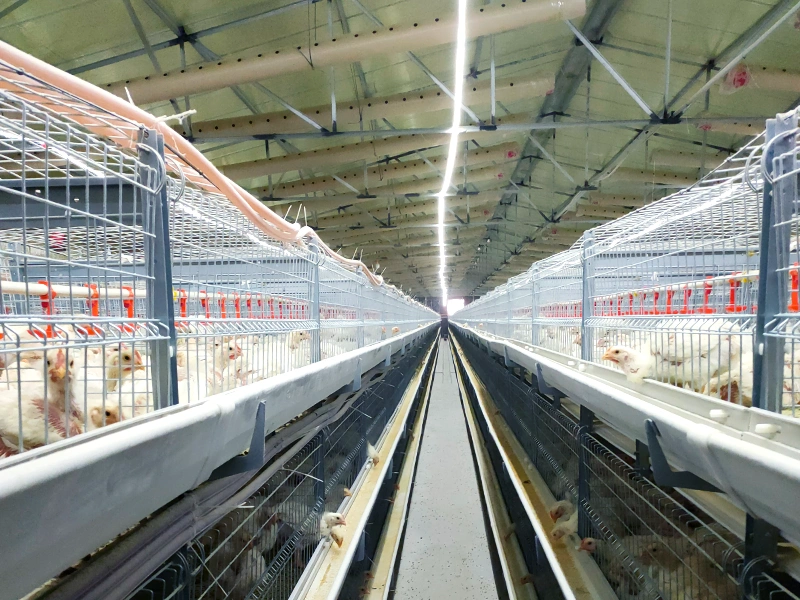
Main products include: large-scale livestock fans, large-scale greenhouse dedicated fans, industrial plant dedicated fans, circulation fans, roof automatic ventilators and other ventilation and cooling systems; wet curtains - fans, cold fans and other cooling and humidification systems; coal (fuel oil, electricity, gas) hot air fans, exhaust fans and other heating systems; feed towers, feed lines and other feeding systems; animal husbandry cage systems; scraper conveyor manure removal machines, belt conveyor manure removal machines and other manure removal systems.
-
About Us
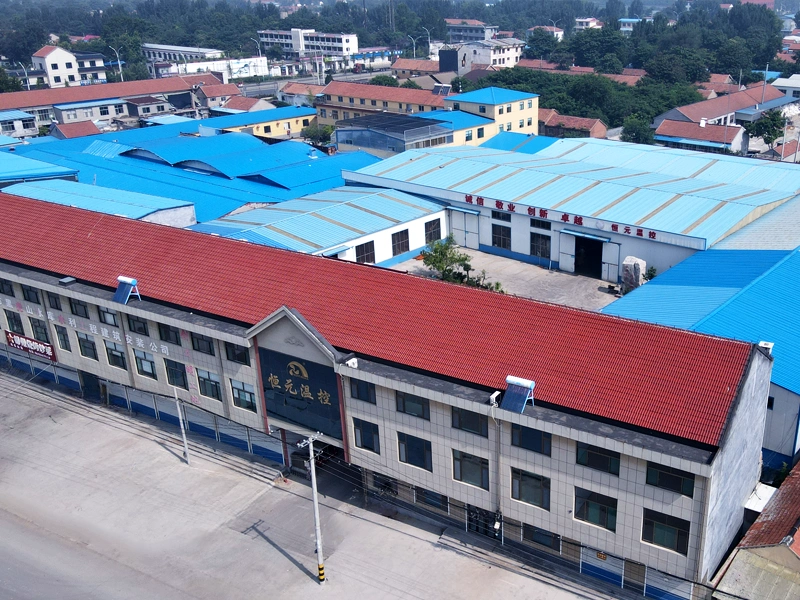
For many years, it has been committed to the development and promotion of national environmental protection and energy-saving products. It is a high-tech enterprise specializing in the production of environmental control-related equipment and technical services.
-
Blog
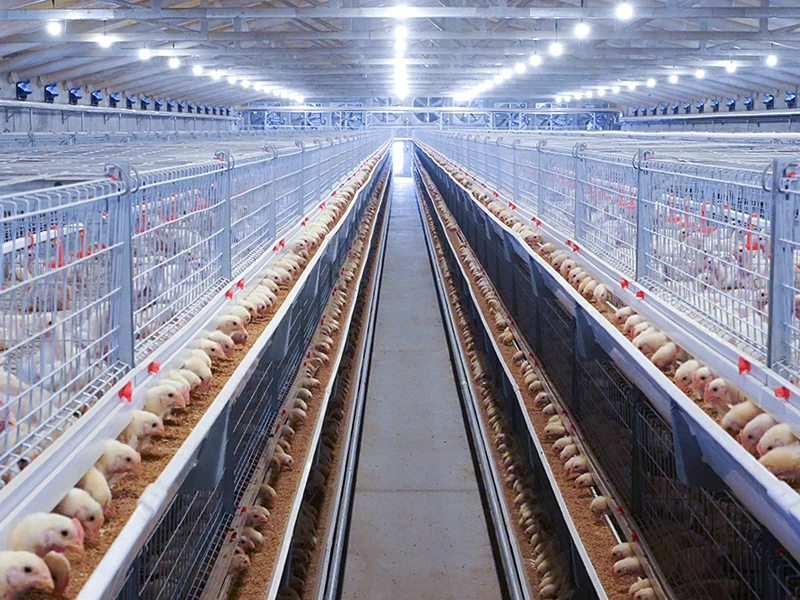
The company's goal is to provide customers with the best solutions for temperature and humidity control, to provide high-quality production and living environments for your greenhouses, livestock and poultry houses, industrial plants, etc., and to create the best benefits for you!
Revolutionizing Pig Housing: The Role of Advanced Evaporative Cooling Pads
Release time:
2026-06-04
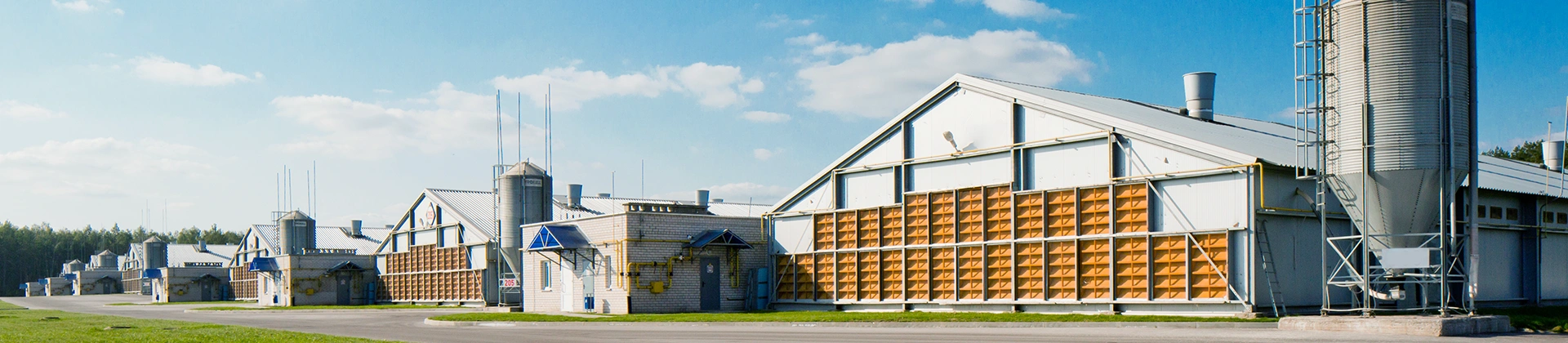
Advanced evaporative cooling pads utilize the principle of evaporative cooling, which leverages the natural process of water evaporation to lower air temperature. When warm, dry air passes through the wet pads, moisture evaporates, resulting in cooler air that is distributed throughout the pig house. This process not only reduces ambient temperatures but also increases humidity levels, which is particularly beneficial in hot and arid climates where pigs are susceptible to heat stress.
One of the notable advantages of these advanced cooling pads is their efficiency. Made from highly porous and durable materials, they offer a large surface area for evaporation, maximizing cooling potential while minimizing water usage. This leads to significant energy savings compared to traditional cooling methods, such as refrigeration systems, which consume more electricity and can be less sustainable in the long term.
Moreover, the installation of high-quality evaporative cooling pads can help to improve air quality within the pig house. By maintaining a more consistent and comfortable temperature, these pads help reduce pig stress levels, which can lead to better feed conversion ratios and overall growth rates. Additionally, enhanced ventilation facilitated by the cooling pads can help lower the concentration of harmful gases, such as ammonia, thereby promoting a healthier environment for both livestock and farm workers.
It is also important to consider the maintenance and longevity of advanced evaporative cooling pads. Regular cleaning and replacement of pads, as needed, will ensure they operate at peak efficiency. Farmers should also monitor water quality to prevent the buildup of minerals and contaminants that could hinder performance.
In conclusion, advanced evaporative cooling pads represent a pivotal technology in the realm of pig farming. They not only contribute to a more controlled and pleasant environment for pigs but also pave the way for enhanced productivity and sustainability within the industry. As farmers continue to seek innovative solutions to improve animal welfare and operational efficiency, the adoption of such cooling technologies will undoubtedly play a key role in the future of livestock management.
recommend Content
2025-04-24
Share

Engaged in all kinds of cooling heating and animal husbandry equipment
Qingzhou Ventimax Equipment Co.,Ltd.
Economic Development zone,Qingzhou,China