
-
Products
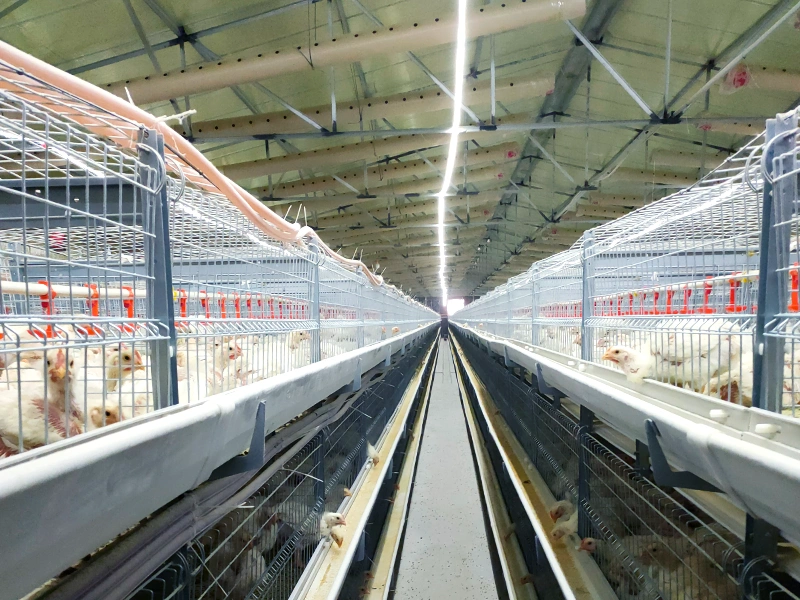
Main products include: large-scale livestock fans, large-scale greenhouse dedicated fans, industrial plant dedicated fans, circulation fans, roof automatic ventilators and other ventilation and cooling systems; wet curtains - fans, cold fans and other cooling and humidification systems; coal (fuel oil, electricity, gas) hot air fans, exhaust fans and other heating systems; feed towers, feed lines and other feeding systems; animal husbandry cage systems; scraper conveyor manure removal machines, belt conveyor manure removal machines and other manure removal systems.
-

About Us
For many years, it has been committed to the development and promotion of national environmental protection and energy-saving products. It is a high-tech enterprise specializing in the production of environmental control-related equipment and technical services.
-
Blog
The company's goal is to provide customers with the best solutions for temperature and humidity control, to provide high-quality production and living environments for your greenhouses, livestock and poultry houses, industrial plants, etc., and to create the best benefits for you!
The Crucial Role of High Airflow Exhaust Fans in Enhancing Barn Air Quality
Release time:
2026-06-01
The Crucial Role of High Airflow Exhaust Fans in Enhancing Barn Air Quality
Air quality plays a vital role in maintaining the health and productivity of livestock. Within agricultural settings, particularly barns, managing air quality can be quite challenging due to factors like humidity, temperature fluctuations, and the accumulation of harmful gases. This is where high airflow exhaust fans come into play. In this article, we will explore the significance of high airflow exhaust fans in barns, detailing their benefits, installation considerations, maintenance practices, and more.
Table of Contents
- The Importance of Air Quality in Barns
- What Are High Airflow Exhaust Fans?
- Benefits of Using High Airflow Exhaust Fans
- How Do High Airflow Exhaust Fans Work?
- Installation Considerations for Exhaust Fans
- Maintenance of High Airflow Exhaust Fans
- Common Mistakes to Avoid When Using Exhaust Fans
- Conclusion
- FAQs
The Importance of Air Quality in Barns
Barn air quality significantly impacts animal health and productivity. Poor air quality can lead to respiratory issues, reduced feed intake, and overall decreased performance in livestock. Factors contributing to poor air quality include:
- **Accumulation of Ammonia**: Produced from animal waste, high levels of ammonia can irritate the respiratory tract of animals, leading to chronic health issues.
- **Humidity and Temperature Control**: High humidity levels can promote mold growth and increase the risk of diseases, while extreme heat can lead to heat stress in animals.
- **Dust and Particulate Matter**: Dust generated from feed, bedding, and animal fur can trigger respiratory problems.
By ensuring proper ventilation through high airflow exhaust fans, barn operators can mitigate these issues, promoting a healthier and more productive environment.
What Are High Airflow Exhaust Fans?
High airflow exhaust fans are specialized ventilation systems designed to remove stale air, moisture, and harmful gases from enclosed spaces such as barns. These fans are engineered to move large volumes of air quickly, ensuring that fresh air circulates effectively throughout the barn.
Key features of high airflow exhaust fans include:
- **Powerful Motors**: Designed to operate continuously, these fans can handle the demands of agricultural environments.
- **Durable Construction**: Often made from corrosion-resistant materials, these fans are built to withstand the rigors of barn conditions.
- **Adjustable Speed Settings**: Many models offer variable speed control, allowing for optimal airflow based on current conditions and needs.
Benefits of Using High Airflow Exhaust Fans
The implementation of high airflow exhaust fans in barns comes with numerous advantages:
1. Improved Livestock Health
By effectively removing harmful gases and contaminants, these fans help maintain optimal air quality, reducing the risk of respiratory diseases among animals.
2. Enhanced Productivity
Healthy animals are more productive. Improved air quality can lead to better feed conversion rates, higher milk production, and increased weight gain in livestock.
3. Temperature Control
High airflow exhaust fans help regulate temperature by removing hot, humid air, thus creating a more comfortable environment for animals, especially during summer months.
4. Reduced Odor
By efficiently ventilating the barn, these fans help minimize unpleasant odors associated with animal waste and feed.
5. Decreased Risk of Disease
Proper ventilation helps prevent the buildup of pathogens and allergens, reducing the risk of disease outbreaks in barns.
How Do High Airflow Exhaust Fans Work?
High airflow exhaust fans operate based on a simple yet effective principle: they create a pressure difference that allows stale air to be expelled and fresh air to enter the barn.
1. Airflow Dynamics
When the fan blades rotate, they create a low-pressure area inside the barn, prompting air from the outside to flow in. This continuous cycle ensures that stale, contaminated air is removed while clean air circulates.
2. Positioning for Optimal Performance
To maximize efficiency, it’s crucial to position the fans strategically. Fans should be placed on opposite sides of the barn to facilitate cross-ventilation and ensure uniform airflow throughout the space.
Installation Considerations for Exhaust Fans
When installing high airflow exhaust fans in a barn, several factors must be considered to ensure optimal performance:
1. Size of the Fan
Choose a fan size based on the barn's dimensions and the volume of air that needs to be moved. Underestimating fan capacity can lead to inadequate ventilation.
2. Placement and Orientation
Placement is key. Fans should be located where they can effectively expel air, typically near areas with the highest concentrations of heat and humidity.
3. Power Supply
Ensure that the electrical system can support the fan's power requirements. Consider integrating a backup power source to maintain ventilation during power outages.
4. Control Systems
Installing automated control systems can enhance the efficiency of exhaust fans. Temperature and humidity sensors can adjust fan speed based on real-time conditions, ensuring optimal performance.
Maintenance of High Airflow Exhaust Fans
Regular maintenance of high airflow exhaust fans is crucial to ensure their longevity and efficiency. Here are some essential maintenance practices:
1. Cleaning
Dust and debris can accumulate on fan blades and motors, reducing efficiency. Regularly clean these components to ensure maximum airflow.
2. Inspecting Electrical Connections
Periodically check electrical connections for wear and tear. Loose or damaged wires can lead to operational failures.
3. Lubrication
Most fans require regular lubrication to ensure smooth operation. Follow the manufacturer's guidelines for lubrication intervals and types.
4. Seasonal Checks
Before the peak summer and winter seasons, conduct thorough inspections to ensure that the fans are functioning optimally and ready to handle the demands of changing weather.
Common Mistakes to Avoid When Using Exhaust Fans
To maximize the effectiveness of high airflow exhaust fans, avoid these common pitfalls:
1. Inadequate Fan Size
Choosing a fan that is too small for the barn's needs can lead to poor air circulation and insufficient ventilation.
2. Improper Placement
Failing to position fans for optimal airflow can negate their effectiveness, leading to stagnant air pockets.
3. Neglecting Maintenance
Overlooking regular maintenance and inspections can result in reduced efficiency and costly repairs.
4. Ignoring Environmental Factors
Consider external factors such as prevailing winds and barn orientation when designing your ventilation system.
Conclusion
High airflow exhaust fans play a crucial role in maintaining barn air quality, directly impacting the health and productivity of livestock. By ensuring proper installation, maintenance, and placement, barn operators can create a healthier environment that supports the well-being of animals. As we continue to prioritize animal health in agriculture, investing in high airflow exhaust fans is a step toward achieving optimal barn conditions.
FAQs
1. How often should I clean my exhaust fans?
Regular cleaning is recommended every 1-3 months, but this can vary based on barn conditions and dust accumulation.
2. Can I install exhaust fans myself?
While DIY installation is possible, hiring a professional ensures optimal placement and electrical safety.
3. What size exhaust fan do I need for my barn?
Fan size depends on the barn's dimensions and the amount of air circulation needed. Consult with a ventilation specialist for accurate sizing.
4. Do high airflow exhaust fans consume a lot of energy?
While they require energy, modern high-efficiency models are designed to minimize energy consumption while maximizing airflow.
5. How can I tell if my exhaust fans are working effectively?
Monitor barn conditions, including temperature and humidity levels. Unpleasant odors or stagnation may indicate insufficient airflow.
recommend Content
2025-04-24
Share

Engaged in all kinds of cooling heating and animal husbandry equipment
Qingzhou Ventimax Equipment Co.,Ltd.
Economic Development zone,Qingzhou,China