
-
Products
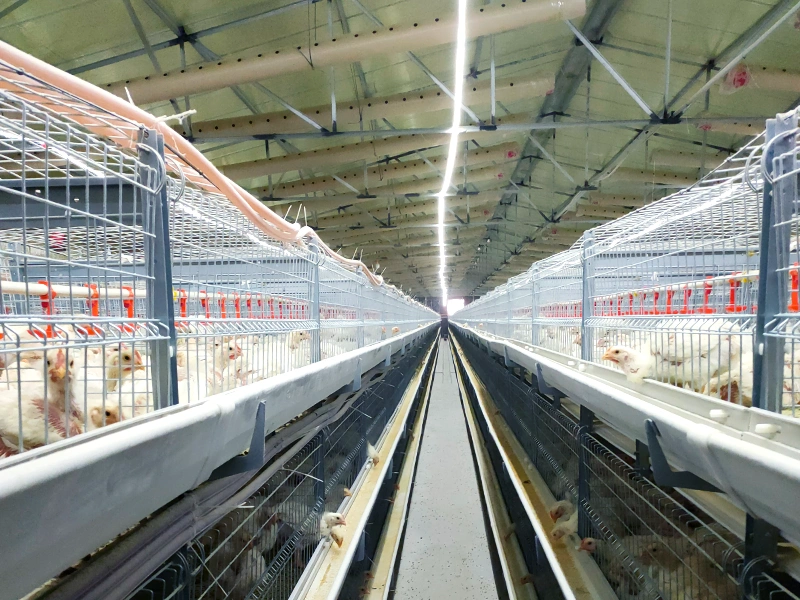
Main products include: large-scale livestock fans, large-scale greenhouse dedicated fans, industrial plant dedicated fans, circulation fans, roof automatic ventilators and other ventilation and cooling systems; wet curtains - fans, cold fans and other cooling and humidification systems; coal (fuel oil, electricity, gas) hot air fans, exhaust fans and other heating systems; feed towers, feed lines and other feeding systems; animal husbandry cage systems; scraper conveyor manure removal machines, belt conveyor manure removal machines and other manure removal systems.
-

About Us
For many years, it has been committed to the development and promotion of national environmental protection and energy-saving products. It is a high-tech enterprise specializing in the production of environmental control-related equipment and technical services.
-
Blog
The company's goal is to provide customers with the best solutions for temperature and humidity control, to provide high-quality production and living environments for your greenhouses, livestock and poultry houses, industrial plants, etc., and to create the best benefits for you!
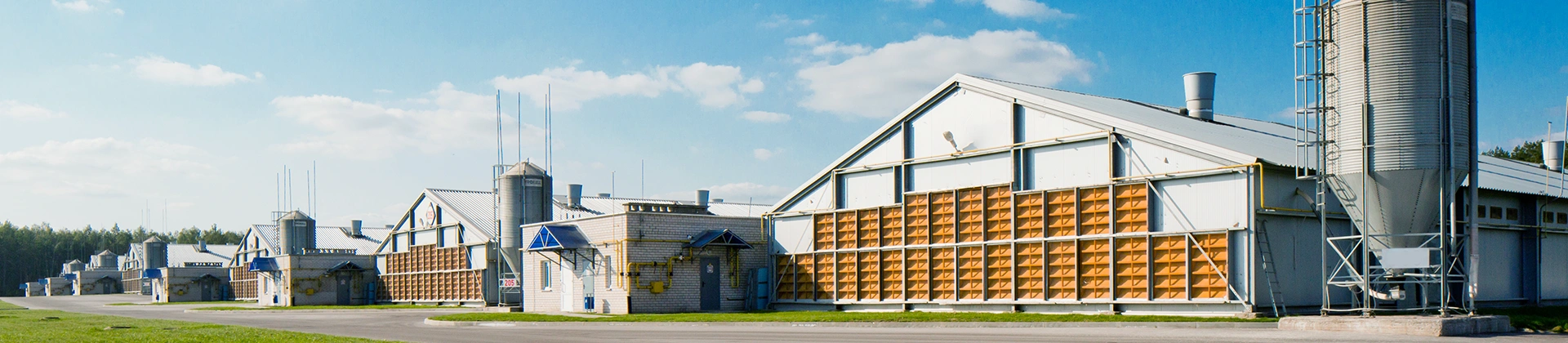
Maximize Comfort with Affordable Ventilation Shutters for Your Barn
Release time:
2026-05-26
Maximize Comfort with Affordable Ventilation Shutters for Your Barn
Table of Contents
1. Introduction to Barn Ventilation Shutters
2. The Importance of Ventilation in Barns
3. Types of Affordable Ventilation Shutters
3.1 Louvered Shutters
3.2 Sliding Shutters
3.3 Automatic Ventilation Shutters
4. Key Features to Look for in Ventilation Shutters
4.1 Material Durability
4.2 Energy Efficiency
4.3 Design and Aesthetic Appeal
5. Installation Process for Ventilation Shutters
5.1 Tools and Materials Needed
5.2 Step-by-Step Installation Guide
6. Maintenance Tips for Longevity
7. Cost-Effectiveness and Budgeting for Your Barn
8. Frequently Asked Questions (FAQs)
9. Conclusion
1. Introduction to Barn Ventilation Shutters
Ventilation shutters are pivotal in maintaining the comfort and health of livestock and stored goods in barns. These structures allow for controlled airflow, which is essential in regulating temperature and humidity levels. The right choice of ventilation shutters can significantly enhance your barn's overall atmosphere while being budget-friendly.
2. The Importance of Ventilation in Barns
Proper ventilation ensures a consistent flow of fresh air, helping to remove stagnant air, excessive moisture, and harmful gases. This is particularly crucial for barns housing animals, as poor ventilation can lead to respiratory issues and discomfort. Additionally, effective ventilation helps in reducing the formation of mold and mildew, protecting both the health of your animals and the integrity of the building.
3. Types of Affordable Ventilation Shutters
When considering ventilation shutters, it's essential to evaluate the various types available. Here, we break down three popular options that offer both functionality and affordability.
3.1 Louvered Shutters
Louvered shutters are designed with angled slats that allow air to flow while preventing rain and debris from entering. These shutters are a classic choice for barns, providing excellent ventilation while also being aesthetically pleasing.
3.2 Sliding Shutters
Sliding shutters operate on a track system, enabling easy opening and closing. They offer flexibility in airflow control, allowing barn owners to adjust ventilation according to the weather conditions and specific requirements of their livestock.
3.3 Automatic Ventilation Shutters
For a more advanced option, automatic ventilation shutters are equipped with sensors that open and close based on temperature and humidity levels. This innovation not only maximizes comfort but also reduces manual labor, making it an attractive investment for barn owners looking for efficiency.
4. Key Features to Look for in Ventilation Shutters
When selecting ventilation shutters, several key features should be considered to ensure you make the best choice for your barn.
4.1 Material Durability
Choose shutters constructed from high-quality materials such as vinyl, aluminum, or pressure-treated wood. Durable materials are essential for withstanding the elements and ensuring longevity.
4.2 Energy Efficiency
Energy-efficient shutters help reduce energy costs associated with cooling and heating your barn. Look for models that provide excellent insulation properties.
4.3 Design and Aesthetic Appeal
The design of your ventilation shutters should complement the overall aesthetics of your barn. Consider color, style, and finish in your selection process to ensure they enhance the building's appearance.
5. Installation Process for Ventilation Shutters
Installing ventilation shutters can be a straightforward process when approached correctly. Follow these steps for a successful installation.
5.1 Tools and Materials Needed
Gather the necessary tools including a drill, screws, measuring tape, level, and safety gear. Ensure that you have all materials, including the shutters themselves, ready for installation.
5.2 Step-by-Step Installation Guide
1. **Measure your openings**: Accurately measure the area where you'll install the shutters to ensure a proper fit.
2. **Mark the installation points**: Use a level to mark where the shutters will be mounted.
3. **Attach the shutters**: Using the drill, affix the shutters securely to the marked points. Ensure they open and close smoothly.
4. **Seal gaps**: Check for any gaps and seal them to prevent air leakage and enhance energy efficiency.
6. Maintenance Tips for Longevity
Regular maintenance of your ventilation shutters is crucial for their longevity and effectiveness. Here are some essential maintenance tips:
- **Inspect regularly**: Periodically check for any signs of wear and tear.
- **Clean the shutters**: Remove dirt and debris to ensure they operate efficiently.
- **Lubricate moving parts**: For sliding or automatic shutters, lubricate tracks and hinges to prevent rust and ensure smooth operation.
7. Cost-Effectiveness and Budgeting for Your Barn
Affordability is a key factor when choosing ventilation shutters. Set a budget that considers the initial purchase price, installation costs, and long-term maintenance. Investing in quality shutters may have a higher upfront cost but can lead to substantial savings on energy bills and repairs in the future.
8. Frequently Asked Questions (FAQs)
**Q1: What materials are best for ventilation shutters?**
A: The best materials include vinyl, aluminum, and pressure-treated wood for durability and low maintenance.
**Q2: How do I know how many shutters I need?**
A: The number of shutters depends on the size of your barn and the specific ventilation needs based on the livestock you have.
**Q3: Can I install ventilation shutters myself?**
A: Yes, with the right tools and following a clear installation guide, many barn owners can install shutters themselves.
**Q4: How do automatic ventilation shutters work?**
A: Automatic shutters use sensors to monitor temperature and humidity, automatically adjusting to open or close as needed.
**Q5: What is the average cost of ventilation shutters?**
A: The cost can vary widely based on material and design but generally ranges from $50 to $300 per shutter.
9. Conclusion
In conclusion, investing in affordable ventilation shutters can significantly enhance the comfort and efficiency of your barn. By understanding the types of shutters, their key features, and the installation process, barn owners can make informed decisions that lead to better airflow, healthier livestock, and overall improved barn conditions. Prioritizing quality and maintenance will ensure your investment pays off in the long run, offering both immediate and lasting benefits.
recommend Content
2025-04-24
Share

Engaged in all kinds of cooling heating and animal husbandry equipment
Qingzhou Ventimax Equipment Co.,Ltd.
Economic Development zone,Qingzhou,China