
-

Products
Main products include: large-scale livestock fans, large-scale greenhouse dedicated fans, industrial plant dedicated fans, circulation fans, roof automatic ventilators and other ventilation and cooling systems; wet curtains - fans, cold fans and other cooling and humidification systems; coal (fuel oil, electricity, gas) hot air fans, exhaust fans and other heating systems; feed towers, feed lines and other feeding systems; animal husbandry cage systems; scraper conveyor manure removal machines, belt conveyor manure removal machines and other manure removal systems.
-
About Us
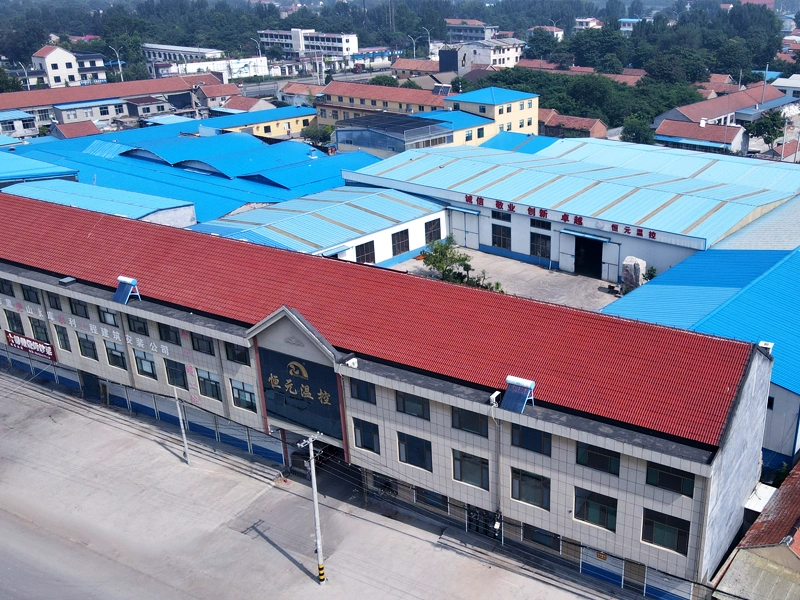
For many years, it has been committed to the development and promotion of national environmental protection and energy-saving products. It is a high-tech enterprise specializing in the production of environmental control-related equipment and technical services.
-
Blog
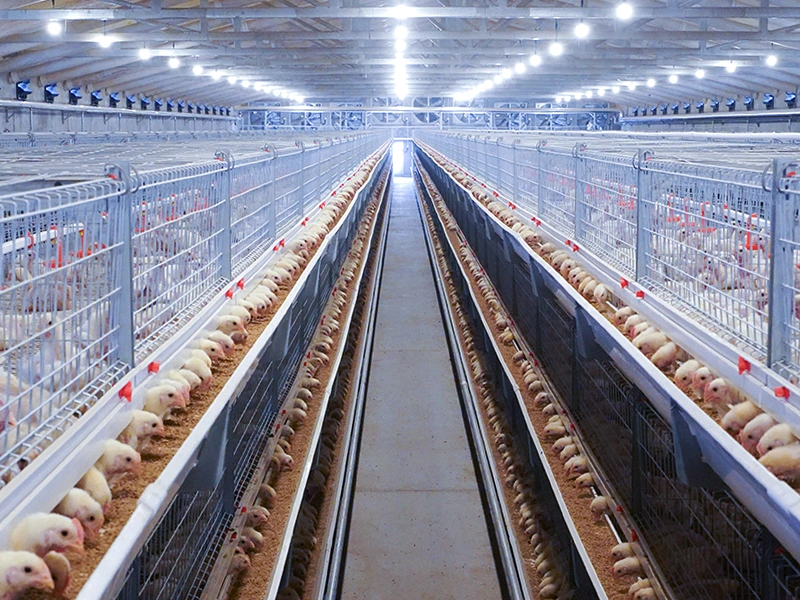
The company's goal is to provide customers with the best solutions for temperature and humidity control, to provide high-quality production and living environments for your greenhouses, livestock and poultry houses, industrial plants, etc., and to create the best benefits for you!
Budget-Friendly Solutions for Swine Barn Ventilation: Shutter Insights
Release time:
2026-10-07
Budget-Friendly Solutions for Swine Barn Ventilation: Shutter Insights
Understanding the Importance of Proper Ventilation in Swine Barns
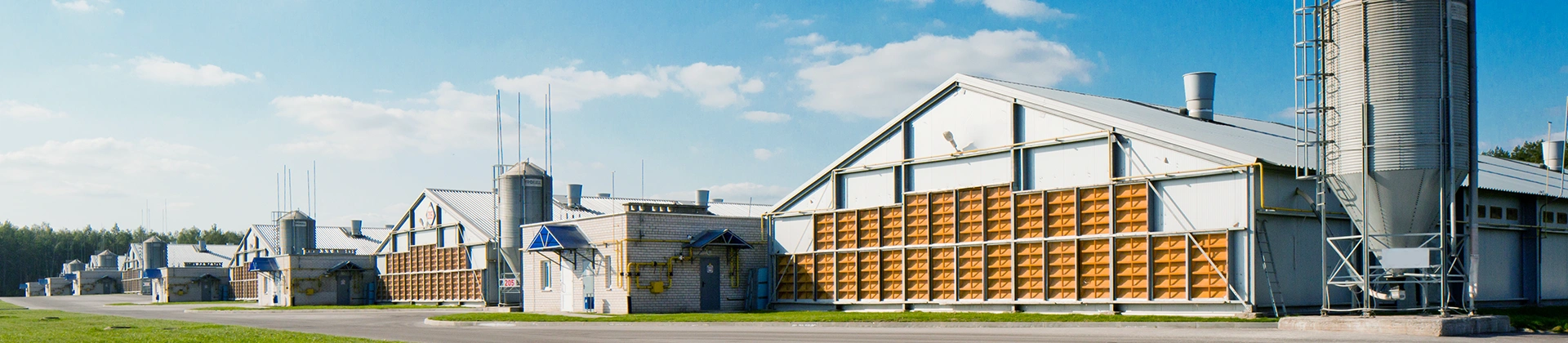
Ventilation plays a crucial role in maintaining the health and productivity of swine. Effective barn ventilation helps regulate temperature, control humidity, and remove harmful gases, ensuring that pigs thrive in their environment. Without adequate airflow, barns can become breeding grounds for disease, leading to decreased growth rates and increased veterinary costs. Thus, finding **budget-friendly ventilation solutions** is essential for farmers aiming to maximize their investment.
Factors to Consider When Planning Swine Barn Ventilation
Before diving into specific solutions, it’s essential to consider several factors that impact ventilation efficiency:
1. Barn Design and Layout
The design of your barn significantly influences airflow. Pay attention to the layout, including the positioning of doors, windows, and existing ventilation systems. Barns should ideally allow for cross-ventilation, which maximizes airflow and minimizes stagnant air pockets.
2. Climate Conditions
Your local climate will dictate the type of ventilation system needed. In warmer regions, you may require a system that promotes cooling, while in colder climates, minimizing heat loss becomes a priority. Proper insulation can also impact overall efficiency.
3. Pig Density and Health Status
Higher pig density generates more heat and moisture, necessitating a more robust ventilation system. Additionally, the health status of your herd can affect airflow requirements, as sick animals may require enhanced ventilation to aid recovery.
Cost-Effective Ventilation Solutions for Swine Barns
Identifying **budget-friendly solutions** doesn't mean compromising on quality. Here are some effective strategies for improving ventilation while keeping expenses manageable.
1. Natural Ventilation with Adjustable Shutters
Implementing adjustable shutters allows farmers to control airflow based on external weather conditions. **Natural ventilation** is one of the most cost-effective methods, utilizing the natural flow of air to keep barns cool during the summer and warm in the winter.
Benefits of Adjustable Shutters
- **Cost Savings**: No need for electrical systems or fans.
- **Energy Efficiency**: Reduces reliance on energy-consuming ventilation systems.
- **Improved Air Quality**: Promotes a constant flow of fresh air.
2. Passive Ventilation Systems
Passive ventilation leverages building design to promote airflow without mechanical equipment. This method includes features like ridge vents, sidewall openings, and adjustable louvers to enhance natural airflow.
Key Components of Passive Ventilation
- **Ridge Vents**: Installed at the peak of the barn, allowing warm air to escape.
- **Sidewall Openings**: Positioned strategically to facilitate cross-ventilation.
- **Louvered Shutters**: Adjustable sections that can be opened or closed depending on the weather.
3. Mechanical Ventilation Solutions
For situations where natural ventilation isn't sufficient, mechanical systems can be a viable alternative. Although they involve initial costs, their long-term benefits can justify the investment.
Types of Mechanical Ventilation
- **Exhaust Fans**: Help remove stale air and introduce fresh air.
- **Inlet Fans**: Work in conjunction with exhaust fans to optimize airflow.
Installing Shutter Systems for Optimal Ventilation
Shutter systems are pivotal in achieving effective ventilation. Here’s how to ensure proper installation:
1. Choosing the Right Shutter Material
Selecting durable materials is essential. Vinyl or aluminum are popular choices due to their resistance to corrosion and ease of maintenance.
2. Proper Placement of Shutters
Shutters should be placed strategically to maximize airflow. Consider the barn's layout and prevailing winds when determining locations for installation.
3. Regular Maintenance and Inspection
To ensure longevity and efficiency, regular maintenance is crucial. Inspect shutters for blockages, wear, or damage, and clean them to prevent accumulation of dust and debris.
Enhancing Ventilation with Additional Features
Incorporating additional features can further improve barn ventilation:
1. Insulation and Sealing
Proper insulation prevents heat loss and minimizes condensation, contributing to a stable internal climate. Sealing gaps and cracks also boosts ventilation efficiency by directing airflow.
2. Automated Control Systems
While a bit more costly upfront, investing in automated control systems can save money in the long run by optimizing ventilation based on real-time environmental data.
Budget Considerations for Ventilation Solutions
When evaluating the budget for ventilation solutions, consider both initial investments and ongoing operational costs. Natural solutions like adjustable shutters typically have lower initial costs, whereas mechanical systems may require additional maintenance and energy expenses.
1. Initial Costs vs. Long-Term Savings
Investing in quality materials and systems can yield significant long-term savings through reduced veterinary bills and increased productivity.
2. Potential Grants and Subsidies
Explore government programs or agricultural grants that offer financial assistance for improving farm facilities. These can alleviate the burden of initial costs.
Common Challenges and Solutions in Barn Ventilation
Farmers may face several challenges regarding swine barn ventilation. Understanding these can help devise effective solutions.
1. Excessive Humidity
High humidity levels can lead to respiratory problems in pigs. Solutions include installing dehumidifiers or increasing ventilation rates during humid weather.
2. Temperature Fluctuations
Maintaining a stable temperature can be difficult, particularly in extreme weather conditions. Implementing proper insulation and utilizing exhaust fans can stabilize barn temperatures.
3. Air Quality Issues
Poor air quality can lead to health problems in swine. Regularly monitoring air quality and ensuring effective ventilation can mitigate these concerns.
FAQs About Swine Barn Ventilation
1. What is the ideal ventilation rate for a swine barn?
The ideal ventilation rate depends on several factors, including pig size, barn design, and climate. Generally, aim for 0.5 to 1.0 cfm (cubic feet per minute) per pig.
2. How often should I inspect my ventilation system?
Regular inspections should occur at least once a month, with more frequent checks during seasonal changes or extreme weather.
3. Can I improve ventilation without a significant investment?
Absolutely! Implementing adjustable shutters, sealing gaps, and enhancing insulation are all cost-effective ways to improve airflow without major expenses.
4. What signs indicate poor ventilation in a swine barn?
Signs of poor ventilation include excessive humidity, foul odors, respiratory issues in pigs, and noticeable temperature fluctuations within the barn.
5. How do I maintain my shutter system for optimal performance?
Inspect shutters regularly for blockages and damage, clean them to prevent dust accumulation, and ensure they open and close smoothly.
Conclusion
Enhancing ventilation in swine barns is not only vital for animal health but also essential for optimizing farm productivity. By implementing budget-friendly ventilation solutions such as adjustable shutters and passive systems, farmers can create a healthier environment for their livestock while keeping expenses manageable. Regular maintenance and strategic planning are key to ensuring that these solutions remain effective over time. With the right approach, you can ensure that your swine barn is well-ventilated and conducive to optimal growth and health.
recommend Content
2025-04-24
Share

Engaged in all kinds of cooling heating and animal husbandry equipment
Qingzhou Ventimax Equipment Co.,Ltd.
Economic Development zone,Qingzhou,China