
-

Products
Main products include: large-scale livestock fans, large-scale greenhouse dedicated fans, industrial plant dedicated fans, circulation fans, roof automatic ventilators and other ventilation and cooling systems; wet curtains - fans, cold fans and other cooling and humidification systems; coal (fuel oil, electricity, gas) hot air fans, exhaust fans and other heating systems; feed towers, feed lines and other feeding systems; animal husbandry cage systems; scraper conveyor manure removal machines, belt conveyor manure removal machines and other manure removal systems.
-
About Us
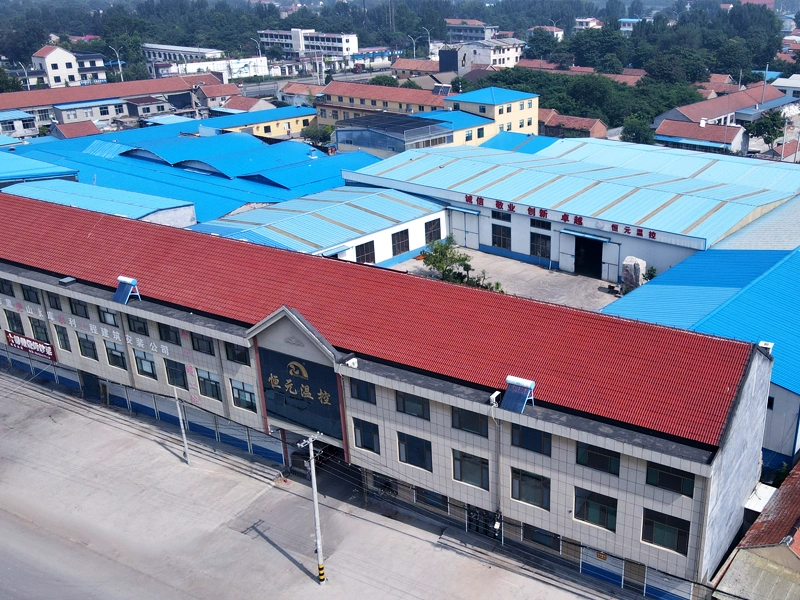
For many years, it has been committed to the development and promotion of national environmental protection and energy-saving products. It is a high-tech enterprise specializing in the production of environmental control-related equipment and technical services.
-
Blog
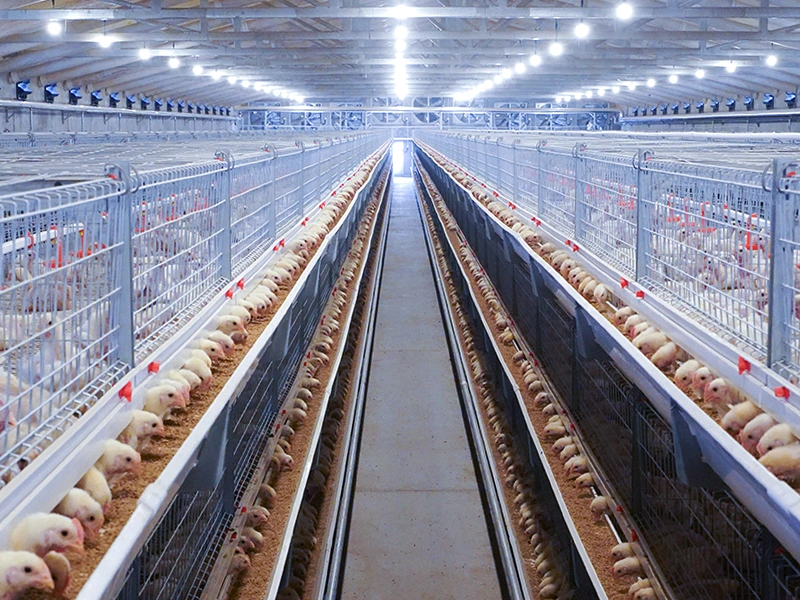
The company's goal is to provide customers with the best solutions for temperature and humidity control, to provide high-quality production and living environments for your greenhouses, livestock and poultry houses, industrial plants, etc., and to create the best benefits for you!
Boosting Swine Health: The Essential Role of Cooling Pads in Temperature Regulation
Release time:
2026-09-27
Boosting Swine Health: The Essential Role of Cooling Pads in Temperature Regulation
Table of Contents
- Introduction to Swine Health and Temperature Regulation
- The Importance of Temperature Control in Swine Farming
- What Are Cooling Pads?
- Benefits of Cooling Pads in Swine Health
- How Cooling Pads Work to Regulate Temperature
- Implementing Cooling Pads in Swine Facilities
- Maintenance and Care for Cooling Pads
- The Future of Cooling Technologies in Swine Farming
- Conclusion
- Frequently Asked Questions
Introduction to Swine Health and Temperature Regulation
Swine farming is a critical component of the global agricultural landscape, providing an essential source of protein for countless communities. However, the health and productivity of pigs are significantly influenced by environmental factors, particularly temperature. High ambient temperatures can lead to heat stress, adversely affecting growth rates, reproduction, and overall well-being. In this article, we will delve into the crucial role that cooling pads play in maintaining optimal temperatures within swine facilities, ultimately enhancing swine health and farm productivity.
The Importance of Temperature Control in Swine Farming
Temperature regulation is paramount in swine farming for several reasons. Firstly, pigs are highly sensitive to temperature fluctuations, with optimal temperature ranges varying by age, breed, and production phase.
Effects of Heat Stress on Swine
Heat stress can have devastating effects on pigs, leading to decreased feed intake, reduced weight gain, and lower reproductive performance. Additionally, it can compromise the immune system, making pigs more susceptible to diseases.
Economic Implications of Poor Temperature Control
From an economic standpoint, failure to manage temperature effectively can result in significant financial losses for farmers due to lower productivity and increased veterinary costs. Therefore, implementing effective temperature control measures, such as cooling pads, is not just a matter of animal welfare; it is also a crucial aspect of farm management.
What Are Cooling Pads?
Cooling pads are specialized devices designed to reduce the temperature of the air in swine facilities. They work by utilizing the principles of evaporation and airflow to cool the environment effectively. Typically made from durable materials that can withstand moisture, cooling pads are installed in ventilation systems to enhance air quality and comfort for pigs.
Types of Cooling Pads
Several types of cooling pads exist, including:
- **Evaporative cooling pads**: These pads absorb water and, through the process of evaporation, cool the air that passes through them.
- **Mist cooling systems**: These systems create a fine mist that evaporates quickly, lowering the air temperature as it disperses.
Benefits of Cooling Pads in Swine Health
The incorporation of cooling pads in swine facilities offers numerous benefits that contribute to better overall swine health and productivity.
1. Enhanced Comfort
Cooling pads provide a more comfortable environment for pigs, reducing the likelihood of heat stress and allowing them to thrive in a climate-controlled setting.
2. Improved Feed Efficiency
When pigs are comfortable, they are more likely to eat efficiently, leading to better growth rates and overall productivity.
3. Lowered Stress Levels
By maintaining a stable temperature, cooling pads help minimize stress levels in pigs, which in turn enhances their immune function and resilience against diseases.
4. Increased Reproductive Performance
Optimal temperature control is critical for breeding success. Cooling pads can lead to improved fertility rates and healthier litters.
5. Improved Air Quality
Cooling pads can also enhance air quality by reducing humidity levels within the facility, creating a healthier environment for pigs.
How Cooling Pads Work to Regulate Temperature
Understanding the functionality of cooling pads is integral to appreciating their impact on swine health. When warm air passes through the cooling pads, water within the pads evaporates, absorbing heat and thus cooling the air. This cooled air is then circulated throughout the facility, providing immediate relief from high temperatures.
Key Components of a Cooling Pad System
A typical cooling pad system comprises:
- **Water supply**: To keep the pads moist.
- **Fans or blowers**: To facilitate airflow through the pads.
- **Ductwork**: To distribute the cooled air effectively throughout the barn.
Implementing Cooling Pads in Swine Facilities
Installing cooling pads is a strategic decision that requires careful planning and consideration of various factors.
Site Assessment and Planning
Before installation, a thorough assessment of the facility is necessary to identify the best locations for the pads, ensuring optimal airflow and coverage.
Installation Process
The installation process involves mounting the cooling pads in the designated areas, connecting them to the water supply, and integrating them into the existing ventilation system.
Monitoring and Adjustments
Post-installation, it is crucial to monitor the system’s performance and make necessary adjustments to ensure optimal functioning.
Maintenance and Care for Cooling Pads
Proper maintenance is essential to prolong the lifespan and effectiveness of cooling pads.
Regular Cleaning
Cooling pads should be cleaned regularly to prevent the buildup of algae, dirt, and debris, which can inhibit airflow and reduce efficiency.
Water Quality Management
Maintaining high-quality water in the system is vital to prevent clogging and ensure efficient evaporation rates.
Inspections and Repairs
Routine inspections can identify potential issues early, and prompt repairs are essential to maintain system integrity.
The Future of Cooling Technologies in Swine Farming
As technological advancements continue to evolve, we can expect to see innovative cooling solutions for swine farming. The integration of smart technologies and IoT devices may enhance temperature control and monitoring, leading to even better health outcomes for pigs.
Conclusion
Cooling pads play a crucial role in enhancing swine health by effectively regulating temperature within farming facilities. By providing a comfortable environment, improving feed efficiency, and reducing stress levels, these systems contribute significantly to the overall productivity and welfare of swine. As the agricultural industry continues to advance, the adoption of cooling technologies will remain an integral component of successful swine farming practices.
Frequently Asked Questions
1. How do cooling pads help in preventing heat stress in pigs?
Cooling pads work by allowing warm air to pass through damp materials, causing evaporation that cools the air before it reaches the pigs.
2. What are the signs of heat stress in swine?
Signs include excessive panting, reduced feed intake, lethargy, and increased water consumption.
3. Can cooling pads be used in conjunction with other cooling methods?
Yes, cooling pads can complement other systems such as fans and misting systems for enhanced temperature control.
4. How often should cooling pads be cleaned?
Cooling pads should be cleaned at least once a month or more frequently if visible buildup occurs.
5. Are cooling pads cost-effective for small-scale swine farms?
Yes, the investment in cooling pads can lead to significant long-term savings by improving overall productivity and health in swine.
recommend Content
2025-04-24
Share

Engaged in all kinds of cooling heating and animal husbandry equipment
Qingzhou Ventimax Equipment Co.,Ltd.
Economic Development zone,Qingzhou,China