
-

Products
Main products include: large-scale livestock fans, large-scale greenhouse dedicated fans, industrial plant dedicated fans, circulation fans, roof automatic ventilators and other ventilation and cooling systems; wet curtains - fans, cold fans and other cooling and humidification systems; coal (fuel oil, electricity, gas) hot air fans, exhaust fans and other heating systems; feed towers, feed lines and other feeding systems; animal husbandry cage systems; scraper conveyor manure removal machines, belt conveyor manure removal machines and other manure removal systems.
-
About Us
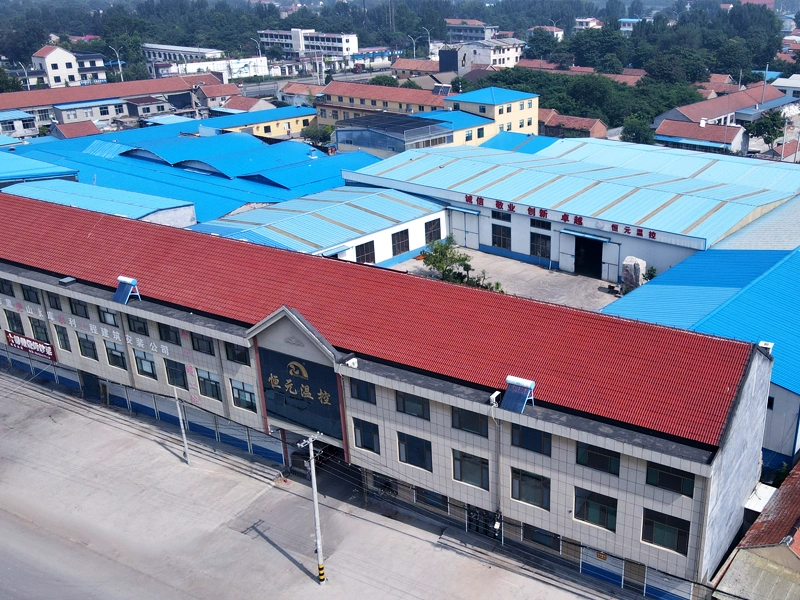
For many years, it has been committed to the development and promotion of national environmental protection and energy-saving products. It is a high-tech enterprise specializing in the production of environmental control-related equipment and technical services.
-
Blog
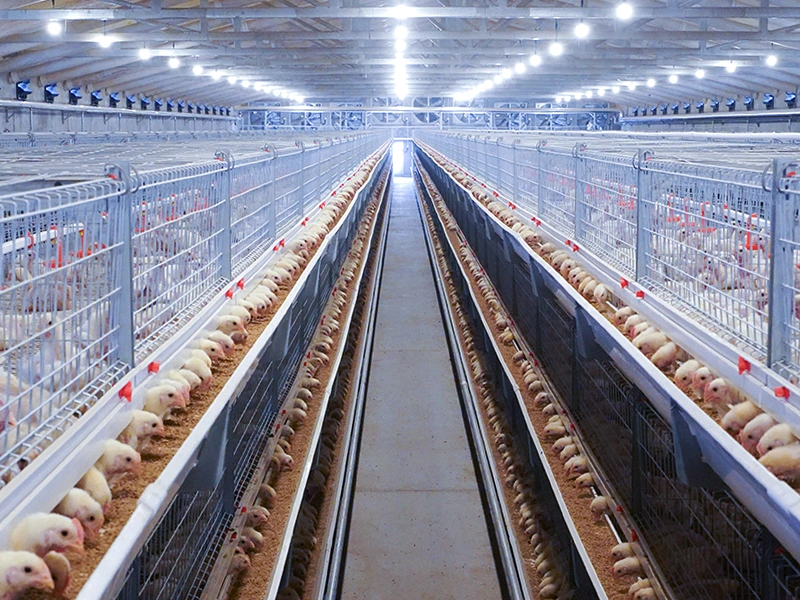
The company's goal is to provide customers with the best solutions for temperature and humidity control, to provide high-quality production and living environments for your greenhouses, livestock and poultry houses, industrial plants, etc., and to create the best benefits for you!
Achieve Optimal Climate Control with Affordable Swine Barn Shutters
Release time:
2026-08-24
Achieve Optimal Climate Control with Affordable Swine Barn Shutters
Table of Contents
- 1. Introduction to Swine Barn Climate Control
- 2. Importance of Climate Control in Swine Farming
- 3. Benefits of Using Affordable Swine Barn Shutters
- 4. Types of Swine Barn Shutters
- 5. How to Install Swine Barn Shutters
- 6. Maintenance and Care for Swine Barn Shutters
- 7. Cost-Effectiveness of Affordable Shutters
- 8. Conclusion
- 9. FAQs About Swine Barn Shutters
1. Introduction to Swine Barn Climate Control
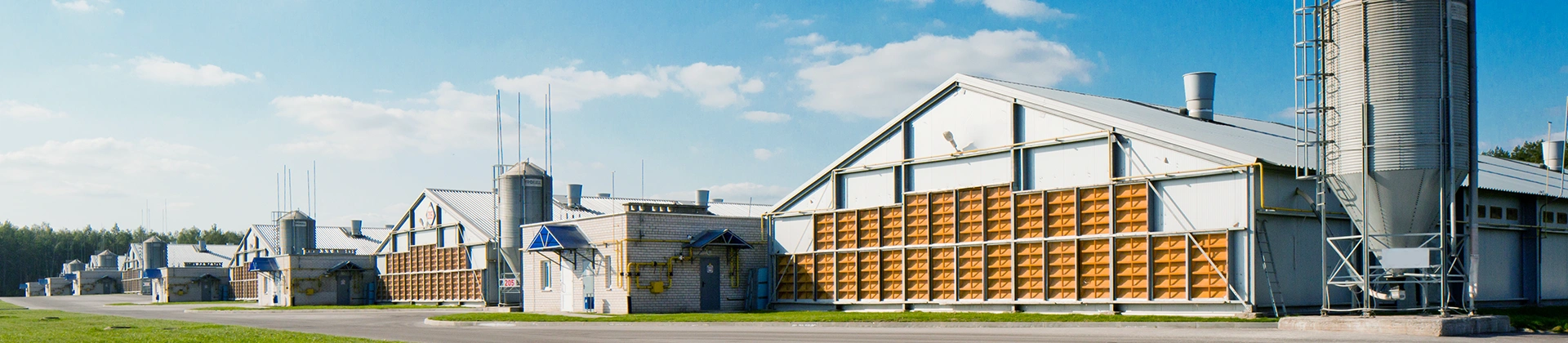
In modern pig farming, maintaining an optimal climate within barns is crucial for the health and productivity of livestock. The environment in which pigs are housed directly affects their growth, reproduction, and overall well-being. Employing effective climate control solutions, such as **affordable swine barn shutters**, can significantly enhance the management of temperature, humidity, and ventilation in swine facilities.
2. Importance of Climate Control in Swine Farming
Controlling the climate in a swine barn is not merely a comfort issue; it has far-reaching implications for animal health and farm productivity. Key reasons include:
- **Enhanced Growth Rates**: Pigs thrive in stable temperatures. Maintaining an optimal environment supports faster growth rates and better feed conversion.
- **Reduced Stress Levels**: Proper ventilation and temperature control minimize stress in pigs, leading to healthier animals with fewer health issues.
- **Disease Prevention**: A well-ventilated barn helps reduce humidity and ammonia levels, which can contribute to respiratory problems and other diseases.
- **Improved Reproductive Performance**: Sows require specific temperature ranges for optimal breeding and farrowing conditions. Climate control plays a vital role in these processes.
3. Benefits of Using Affordable Swine Barn Shutters
Investing in affordable swine barn shutters can provide numerous benefits that enhance climate control while remaining budget-friendly:
- **Cost-Effective Solution**: Affordable shutters are an economical way to improve ventilation and climate management without incurring significant installation costs.
- **Energy Efficiency**: By allowing natural airflow and light into the barn, shutters can reduce the need for artificial heating and cooling systems, lowering energy bills.
- **Customizable Options**: Various designs and materials are available, allowing farmers to choose shutters that best fit their barn’s specific needs.
- **Durability and Longevity**: Quality shutters are built to withstand harsh weather conditions, ensuring long-lasting performance with minimal maintenance.
4. Types of Swine Barn Shutters
When selecting shutters for swine barns, understanding the available types is essential:
4.1. Louvered Shutters
Louvered shutters are designed with angled slats that allow for controlled airflow while blocking direct sunlight. This design is particularly effective in maintaining a stable climate inside the barn.
4.2. Roll-Up Shutters
Roll-up shutters provide flexibility and ease of use. They can be adjusted based on weather conditions, allowing farmers to enhance ventilation during hot periods and retain warmth during colder months.
4.3. Sidewall Shutters
These shutters are installed on the sidewalls of the barn and are excellent for promoting cross-ventilation. They work effectively in combination with other ventilation systems to optimize air circulation.
4.4. Automatic Shutters
For a more advanced solution, automatic shutters can adjust based on temperature and humidity levels, providing real-time climate control without manual intervention.
5. How to Install Swine Barn Shutters
Proper installation of swine barn shutters is crucial for their effectiveness. Follow these steps:
1. **Choose the Right Location**: Identify areas where air circulation is most needed, typically on opposite walls to facilitate cross-ventilation.
2. **Measure the Opening**: Ensure accurate measurements of the window or wall opening to select appropriately sized shutters.
3. **Prepare the Surface**: Clean the installation area to ensure a secure fit, free of debris or obstructions.
4. **Install the Shutter Frame**: Secure the frame to the wall using weather-resistant screws and anchors to withstand outdoor conditions.
5. **Attach the Shutter**: Depending on the design, either hang or slide the shutter into place following the manufacturer’s instructions.
6. **Test the Functionality**: After installation, open and close the shutters to ensure they operate smoothly and seal effectively when closed.
6. Maintenance and Care for Swine Barn Shutters
Regular maintenance is essential to extend the lifespan of swine barn shutters and ensure optimal performance:
- **Routine Cleaning**: Remove dirt and debris regularly to prevent blockage of airflow. A simple washing with soap and water can keep shutters looking new.
- **Inspect for Damage**: Periodically check for cracks, rust, or wear and tear. Addressing issues early can prevent larger problems down the line.
- **Lubricate Moving Parts**: For shutters with moving components, apply lubricant to hinges and tracks to ensure smooth operation.
- **Seasonal Adjustments**: Before extreme weather conditions, check that shutters are operating correctly and adjust as needed to optimize climate control.
7. Cost-Effectiveness of Affordable Shutters
The initial investment for affordable swine barn shutters pays off in several ways:
- **Reduced Energy Costs**: By improving natural ventilation, farmers can lower energy expenses typically needed for heating and cooling.
- **Increased Productivity**: Healthier pigs are more productive, translating into increased meat yields and overall farm profitability.
- **Longevity and Durability**: Investing in quality shutters ensures they last longer, minimizing the need for frequent replacements.
- **Return on Investment**: Over time, the savings generated from reduced energy costs and enhanced productivity yield a strong return on investment, making shutters a financially sound choice.
8. Conclusion
In swine farming, the importance of achieving optimal climate control cannot be overstated. Implementing **affordable swine barn shutters** provides an effective and economical solution for managing barn environments. By understanding the types, installation, and maintenance of these shutters, farmers can enhance productivity, promote animal health, and ultimately drive profitability.
9. FAQs About Swine Barn Shutters
What are the best types of shutters for swine barns?
The best types include louvered, roll-up, sidewall, and automatic shutters, each offering unique benefits for climate control.
How often should I clean my barn shutters?
Cleaning should be performed regularly, ideally once every few months, or more frequently if the barn is located in a dusty area.
Can I install swine barn shutters myself?
Yes, with the proper tools and instructions, many farmers can successfully install shutters themselves, although professional installation is recommended for larger projects.
How do shutters improve energy efficiency?
Shutters allow for natural ventilation and light, reducing the need for artificial heating and cooling, leading to lower energy bills.
What maintenance do swine barn shutters require?
Regular cleaning, inspections for damage, lubrication of moving parts, and seasonal adjustments are recommended to maintain functionality.
recommend Content
2025-04-24
Share

Engaged in all kinds of cooling heating and animal husbandry equipment
Qingzhou Ventimax Equipment Co.,Ltd.
Economic Development zone,Qingzhou,China