
-

Products
Main products include: large-scale livestock fans, large-scale greenhouse dedicated fans, industrial plant dedicated fans, circulation fans, roof automatic ventilators and other ventilation and cooling systems; wet curtains - fans, cold fans and other cooling and humidification systems; coal (fuel oil, electricity, gas) hot air fans, exhaust fans and other heating systems; feed towers, feed lines and other feeding systems; animal husbandry cage systems; scraper conveyor manure removal machines, belt conveyor manure removal machines and other manure removal systems.
-
About Us
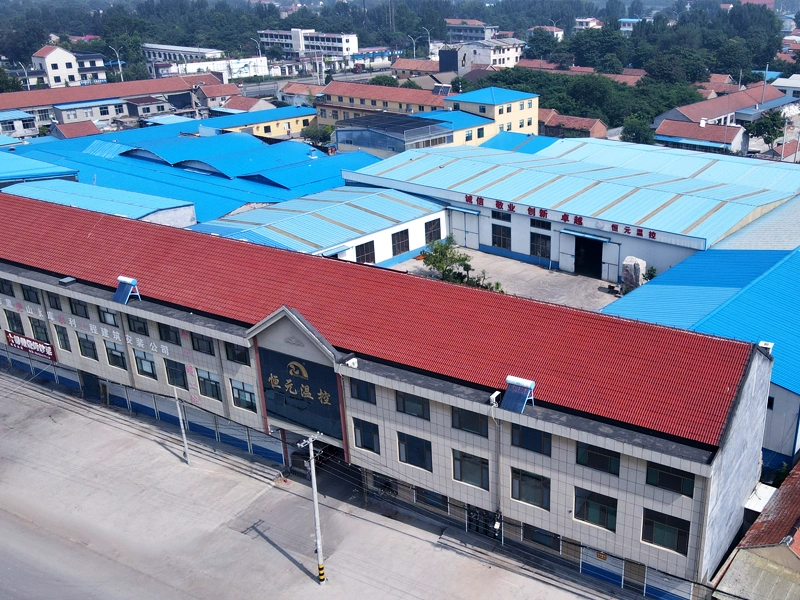
For many years, it has been committed to the development and promotion of national environmental protection and energy-saving products. It is a high-tech enterprise specializing in the production of environmental control-related equipment and technical services.
-
Blog
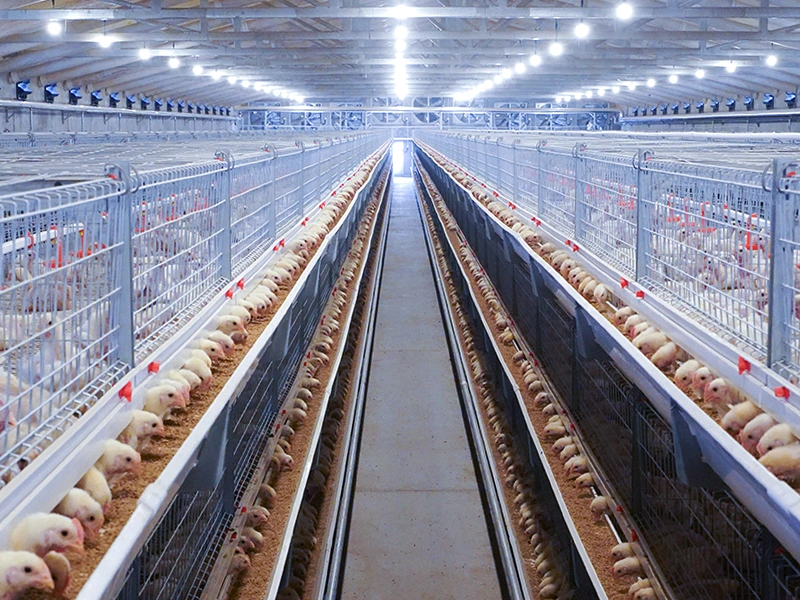
The company's goal is to provide customers with the best solutions for temperature and humidity control, to provide high-quality production and living environments for your greenhouses, livestock and poultry houses, industrial plants, etc., and to create the best benefits for you!
Essential Maintenance Practices for Farrowing House Exhaust Fans: A Comprehensive Guide
Release time:
2026-08-06
Essential Maintenance Practices for Farrowing House Exhaust Fans
Maintaining an efficient environment in a farrowing house is crucial for the health and productivity of breeding pigs. One of the most vital components of this environment is the exhaust fan system. Proper maintenance of farrowing house exhaust fans not only ensures optimal airflow but also enhances energy efficiency and prolongs the lifespan of the equipment. In this guide, we will explore essential maintenance practices, common issues, and preventative measures to keep your exhaust fans running smoothly.
Table of Contents
- Understanding Farrowing House Exhaust Fans
- The Importance of Regular Maintenance
- Key Maintenance Practices for Exhaust Fans
- Cleaning Procedures for Exhaust Fans
- Lubrication and Repair Techniques
- Monitoring Fan Performance
- Troubleshooting Common Issues
- Tips for Optimizing Fan Efficiency
- Frequently Asked Questions
- Conclusion
Understanding Farrowing House Exhaust Fans
Farrowing house exhaust fans play a pivotal role in maintaining air quality and temperature control in pig farming facilities. These fans work by expelling stale air, moisture, and odors from the building while facilitating the entry of fresh air. Understanding the mechanics and function of these fans is essential for effective maintenance.
Typically, these exhaust fans are designed to operate continuously, which means they are exposed to dust, moisture, and various environmental factors that can affect their performance. Knowing how these components work will guide you in identifying potential issues and implementing maintenance strategies.
The Importance of Regular Maintenance
Regular maintenance of exhaust fans is not just a routine task; it is an investment in the overall productivity of your farrowing house. Here are several reasons why maintenance is critical:
1. **Enhanced Air Quality**: Properly maintained fans improve air circulation, reducing the risk of respiratory issues in pigs.
2. **Energy Efficiency**: Regular maintenance can help identify problems that lead to energy wastage, thus reducing operational costs.
3. **Extended Equipment Lifespan**: Routine checks and services can prevent major breakdowns, prolonging the life of the exhaust fans.
4. **Compliance with Regulations**: Many regions have specific animal welfare standards that require adequate ventilation. Proper maintenance helps meet these standards.
Key Maintenance Practices for Exhaust Fans
Implementing a systematic approach to maintenance can significantly improve the functionality of your exhaust fans. Here are key practices to incorporate into your maintenance routine:
Regular Inspection
Conduct visual inspections weekly to check for dirt buildup, rust, or any signs of wear and tear. Pay attention to the blades, motor, and housing for any abnormalities.
Cleaning and Debris Removal
Remove accumulated dust, grease, and debris that can impede airflow. This should be done at least once a month, using appropriate cleaning tools and techniques.
Checking Electrical Connections
Inspect electrical connections for signs of fraying or damage. Ensure that all connections are secure and that there are no loose wires.
Testing Fan Operation
Regularly test the fan’s operation by listening for unusual noises and checking for vibrations. Any irregularities should be addressed immediately.
Cleaning Procedures for Exhaust Fans
Effective cleaning procedures are vital for maintaining exhaust fan performance. Here’s a step-by-step guide:
Step 1: Power Down
Before starting the cleaning process, ensure that the fans are powered down and disconnected from the electrical source to prevent any accidents.
Step 2: Disassemble as Needed
If possible, disassemble the fan components to allow for thorough cleaning. This may include removing the fan blades and housing.
Step 3: Use Appropriate Cleaning Agents
Utilize non-corrosive cleaning agents that effectively break down grease and dirt without damaging the fan components.
Step 4: Rinse and Dry
After cleaning, rinse the components with clean water and allow them to dry completely before reassembling.
Step 5: Reassemble and Test
Once dry, reassemble the fan components, reconnect the power, and test the fan to ensure it operates smoothly.
Lubrication and Repair Techniques
Proper lubrication is essential for the moving parts of exhaust fans. Implement the following techniques to ensure optimal performance:
Lubrication of Motor Bearings
Check the motor bearings for lubrication needs during routine inspections. Use manufacturer-recommended lubricants and apply them as directed.
Replacing Worn Parts
Identify any worn or damaged components during inspections. Replace fan belts, bearings, or blades as necessary to maintain efficient operation.
Sealing Ducts and Connections
Inspect ductwork and connections for leaks. Use appropriate sealing materials to prevent air leaks, ensuring optimal airflow and efficiency.
Monitoring Fan Performance
To ensure your exhaust fans are functioning optimally, you must monitor their performance continuously. Here are effective strategies:
Airflow Measurement
Utilize an anemometer to measure airflow rates regularly. This will help you determine if the fans are operating within the desired parameters.
Temperature and Humidity Tracking
Implement systems to monitor temperature and humidity levels within the farrowing house. These metrics will provide insights into the effectiveness of your ventilation system.
Energy Consumption Analysis
Analyze energy consumption patterns to identify any increases that may indicate inefficiencies in the fan operations.
Troubleshooting Common Issues
Despite regular maintenance, exhaust fans may encounter issues. Here are some common problems and their solutions:
Noise and Vibration Problems
If the fan produces excessive noise or vibrations, check for loose components or debris stuck in the blades. Tighten screws and remove any obstructions.
Insufficient Airflow
If airflow is insufficient, inspect for blockages in ductwork and ensure that the fan is clean and functioning correctly.
Electrical Failures
In case of electrical failures, check the power supply, circuit breakers, and wiring for any faults. Engage a qualified technician for complex electrical issues.
Tips for Optimizing Fan Efficiency
To further enhance the efficiency of your exhaust fans, consider the following tips:
Regular Upgrades
Invest in modern, energy-efficient exhaust fans that are designed to operate quietly and effectively.
Automation Systems
Implement automated control systems to adjust fan speed based on real-time environmental conditions, improving efficiency.
Training Staff
Educate staff on proper operational procedures and the importance of maintaining the exhaust systems, fostering a culture of care and attention.
Frequently Asked Questions
1. How often should I conduct maintenance on my exhaust fans?
It is recommended to perform a thorough inspection and cleaning at least once a month, with visual checks done weekly.
2. What are the signs that my exhaust fan needs replacement?
Signs include excessive noise, reduced airflow, and visible wear on components like blades or motors.
3. Can I clean the exhaust fans myself?
Yes, with the right tools and safety precautions, cleaning can be done by the facility staff. However, for complex repairs, it’s advisable to hire a professional.
4. How can I improve the energy efficiency of my exhaust fans?
Regular maintenance, investing in energy-efficient models, and implementing automation systems can significantly improve energy efficiency.
5. What should I do if my exhaust fan is not turning on?
Check the power supply, circuit breakers, and any visible wiring issues. If problems persist, consult a qualified technician.
Conclusion
Maintaining farrowing house exhaust fans is crucial for ensuring a healthy and productive environment for your livestock. By implementing comprehensive maintenance practices, cleaning procedures, and performance monitoring strategies, we can ensure that these vital systems operate efficiently and effectively. Regular attention to these details not only enhances the lifespan of the equipment but also supports animal welfare and productivity in your farming operations. Stay proactive, and your exhaust fans will perform optimally, contributing to the overall success of your farrowing house.
recommend Content
2025-04-24
Share

Engaged in all kinds of cooling heating and animal husbandry equipment
Qingzhou Ventimax Equipment Co.,Ltd.
Economic Development zone,Qingzhou,China