
-

Products
Main products include: large-scale livestock fans, large-scale greenhouse dedicated fans, industrial plant dedicated fans, circulation fans, roof automatic ventilators and other ventilation and cooling systems; wet curtains - fans, cold fans and other cooling and humidification systems; coal (fuel oil, electricity, gas) hot air fans, exhaust fans and other heating systems; feed towers, feed lines and other feeding systems; animal husbandry cage systems; scraper conveyor manure removal machines, belt conveyor manure removal machines and other manure removal systems.
-
About Us
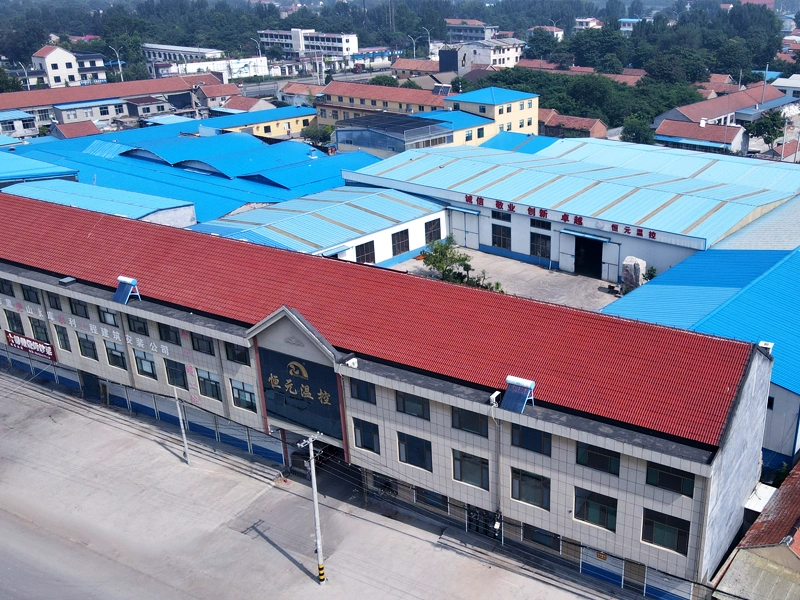
For many years, it has been committed to the development and promotion of national environmental protection and energy-saving products. It is a high-tech enterprise specializing in the production of environmental control-related equipment and technical services.
-
Blog
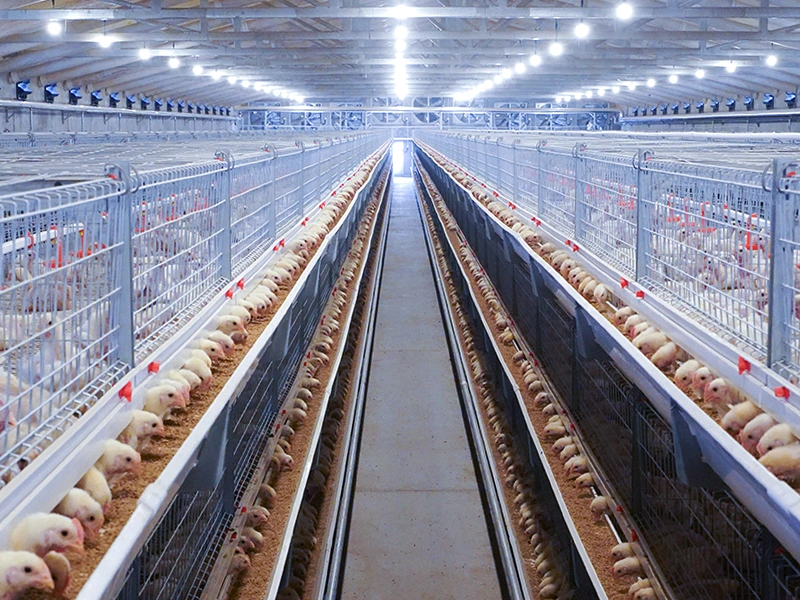
The company's goal is to provide customers with the best solutions for temperature and humidity control, to provide high-quality production and living environments for your greenhouses, livestock and poultry houses, industrial plants, etc., and to create the best benefits for you!
Understanding the Importance of High Airflow in Barn Exhaust Systems: A Comprehensive Guide
Release time:
2026-07-31
Understanding the Importance of High Airflow in Barn Exhaust Systems
Introduction to Barn Exhaust Systems
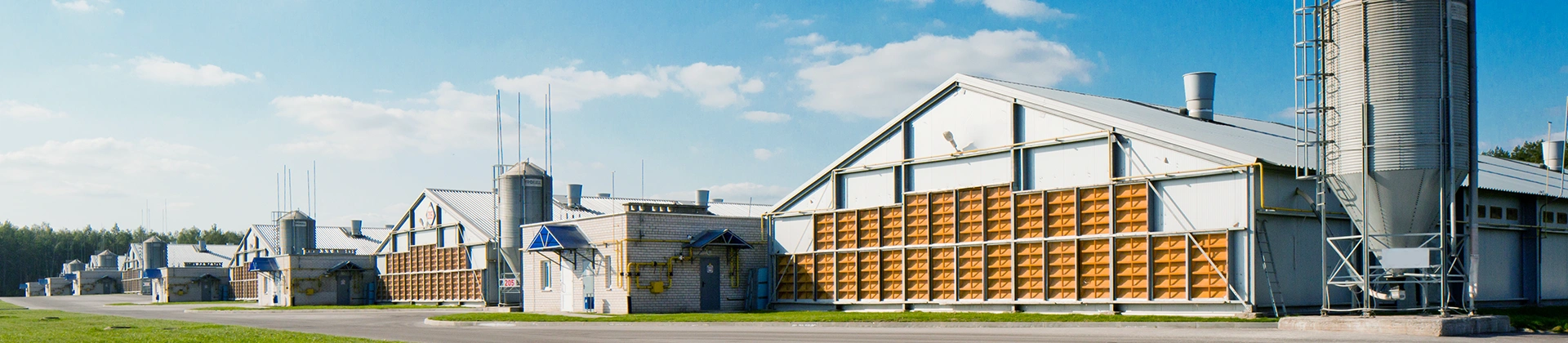
Efficient ventilation is crucial for the well-being of livestock and the operational success of agricultural facilities. Barn exhaust systems are designed to manage air quality by removing excess heat, moisture, and airborne contaminants. In this article, we will delve into the significance of high airflow within these systems and how it can greatly enhance the environment for both animals and farm operators.
What Are Barn Exhaust Systems?
Barn exhaust systems are specialized ventilation setups engineered to facilitate the continuous flow of fresh air into barns while expelling stale air. They play a vital role in maintaining a balanced environment, which is essential for the health and productivity of livestock. These systems can include various components such as exhaust fans, ductwork, and control systems designed to optimize airflow.
Types of Barn Exhaust Systems
There are several types of barn exhaust systems, each suited for different types of agricultural operations:
1. Natural Ventilation Systems
Natural ventilation relies on building design and environmental factors such as wind and temperature differences to promote airflow. While cost-effective, these systems may not provide adequate control over air quality.
2. Mechanical Ventilation Systems
Mechanical systems utilize fans and blowers to actively move air in and out of the barn. These are often more efficient in controlling airflow, making them suitable for larger operations.
3. Hybrid Systems
Hybrid systems combine both natural and mechanical ventilation to optimize airflow while minimizing energy costs. They automatically adjust based on environmental conditions, providing a versatile solution.
The Science of Airflow: Why High Airflow Matters
High airflow in barn exhaust systems is essential for several reasons:
1. Improved Animal Health
Livestock exposed to poor air quality are at risk of developing respiratory issues and other health problems. High airflow helps to dilute harmful gases such as ammonia and carbon dioxide, reducing the likelihood of illness. Fresh air also plays a critical role in preventing heat stress, which can significantly affect animal productivity.
2. Enhanced Productivity
Healthy animals are productive animals. High airflow contributes to better feed conversion rates, higher milk production, and increased weight gain in livestock. Studies have shown that proper ventilation can lead to improved growth rates in poultry and swine, ultimately benefiting the bottom line of any farming operation.
3. Reduced Odor and Dust Accumulation
The buildup of odors and dust can create an unpleasant environment for both animals and workers. High airflow in barn exhaust systems helps to mitigate these issues by constantly replacing stale air with fresh air, ensuring a more pleasant atmosphere and reducing environmental impact.
Key Components of Effective Barn Exhaust Systems
To achieve optimal airflow, barn exhaust systems consist of several key components that work together seamlessly:
1. Exhaust Fans
Exhaust fans are the heart of any barn ventilation system. They actively pull stale air out of the barn and create negative pressure, allowing fresh air to enter through inlets. The size and number of fans needed depend on the size of the barn and the specific ventilation requirements of the livestock.
2. Inlets and Outlets
Inlets are strategically placed openings that allow fresh air to enter the barn. Properly positioned inlets work in conjunction with exhaust fans to facilitate efficient airflow. Outlets, or exhaust openings, enable the removal of stale air.
3. Control Systems
Modern barn exhaust systems often incorporate advanced control systems that can automatically adjust fan speeds based on temperature, humidity, and livestock needs. These systems enable farmers to maintain optimal conditions with minimal manual intervention.
Best Practices for Optimizing Airflow in Barn Exhaust Systems
To maximize the efficiency and effectiveness of barn exhaust systems, consider the following best practices:
1. Regular Maintenance
Routine maintenance of exhaust fans, ducts, and control systems ensures that they operate at peak efficiency. This includes cleaning fans, checking for blockages, and inspecting electrical components.
2. Strategic Placement of Fans and Inlets
The placement of exhaust fans and inlets is critical for achieving balanced airflow. Fans should be positioned to create effective air movement throughout the barn, while inlets should allow for unobstructed air entry.
3. Monitoring Environmental Conditions
Utilizing environmental monitoring systems can provide real-time data on temperature, humidity, and airflow. This allows farmers to make informed decisions and adjustments to their ventilation strategies.
Cost Considerations: Investing in High Airflow Solutions
Investing in high-quality barn exhaust systems may require an upfront financial commitment, but the long-term benefits outweigh the costs. Enhanced animal health and productivity, coupled with reduced energy expenses, translate to a favorable return on investment.
1. Energy Efficiency
Modern exhaust fans are designed to be energy-efficient, which can lead to significant cost savings in the long run. Selecting fans that are appropriately sized for the barn can reduce energy consumption.
2. Long-Term Payoff
The increase in productivity due to improved airflow can lead to higher profits. Healthier livestock are inherently more productive, making investments in ventilation systems a wise choice.
Real-World Case Studies: Success Stories in High Airflow Implementation
Several farms have successfully implemented high airflow barn exhaust systems, resulting in significant improvements:
1. Dairy Farm Case Study
A dairy farm in Wisconsin upgraded its mechanical ventilation system, resulting in a noticeable increase in milk production. The farmers reported healthier cows with fewer veterinary visits after implementing high airflow solutions.
2. Poultry Farm Case Study
A poultry operation in Georgia faced challenges with heat stress during summer months. By investing in high airflow exhaust systems, they not only improved bird comfort but also saw a 10% increase in weight gain and reduced mortality rates.
FAQs About Barn Exhaust Systems and High Airflow
1. What is the ideal airflow rate for a barn exhaust system?
The ideal airflow rate depends on the type and size of livestock housed, as well as the specific layout of the barn. Generally, a good guideline is to achieve an airflow rate of 4 to 10 air changes per hour.
2. How often should barn exhaust systems be maintained?
Regular maintenance is crucial. We recommend inspecting and servicing barn exhaust systems at least twice a year, with more frequent checks during peak operational periods.
3. Can barn exhaust systems help reduce energy costs?
Yes, efficient ventilation can reduce energy costs by maintaining comfortable temperatures for livestock, minimizing the need for additional heating or cooling systems.
4. What are the signs of inadequate airflow in a barn?
Signs include high levels of humidity, persistent odors, respiratory issues among livestock, and visible dust buildup. Monitoring these indicators can help maintain optimal airflow.
5. Do I need a professional to install a barn exhaust system?
While some farmers may handle installation themselves, enlisting the help of professionals ensures that the system is properly designed and implemented for maximum efficiency.
Conclusion: The Critical Role of High Airflow in Barn Exhaust Systems
In conclusion, understanding the importance of high airflow in barn exhaust systems is essential for maintaining the health and productivity of livestock. By investing in efficient ventilation solutions, farmers can create an optimal environment conducive to animal welfare and operational success. Through proper system design, strategic maintenance, and implementation of best practices, we can ensure that our agricultural facilities thrive in both productivity and sustainability.
recommend Content
2025-04-24
Share

Engaged in all kinds of cooling heating and animal husbandry equipment
Qingzhou Ventimax Equipment Co.,Ltd.
Economic Development zone,Qingzhou,China