
-

Products
Main products include: large-scale livestock fans, large-scale greenhouse dedicated fans, industrial plant dedicated fans, circulation fans, roof automatic ventilators and other ventilation and cooling systems; wet curtains - fans, cold fans and other cooling and humidification systems; coal (fuel oil, electricity, gas) hot air fans, exhaust fans and other heating systems; feed towers, feed lines and other feeding systems; animal husbandry cage systems; scraper conveyor manure removal machines, belt conveyor manure removal machines and other manure removal systems.
-
About Us
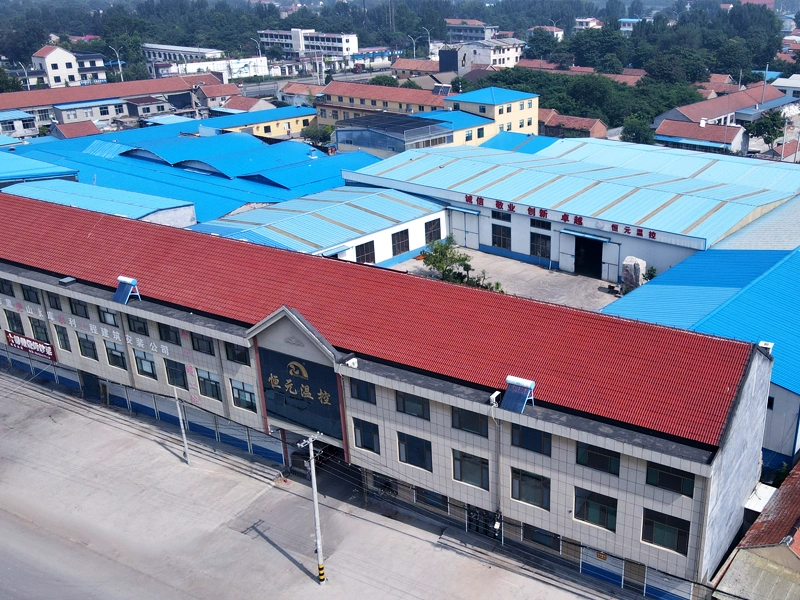
For many years, it has been committed to the development and promotion of national environmental protection and energy-saving products. It is a high-tech enterprise specializing in the production of environmental control-related equipment and technical services.
-
Blog
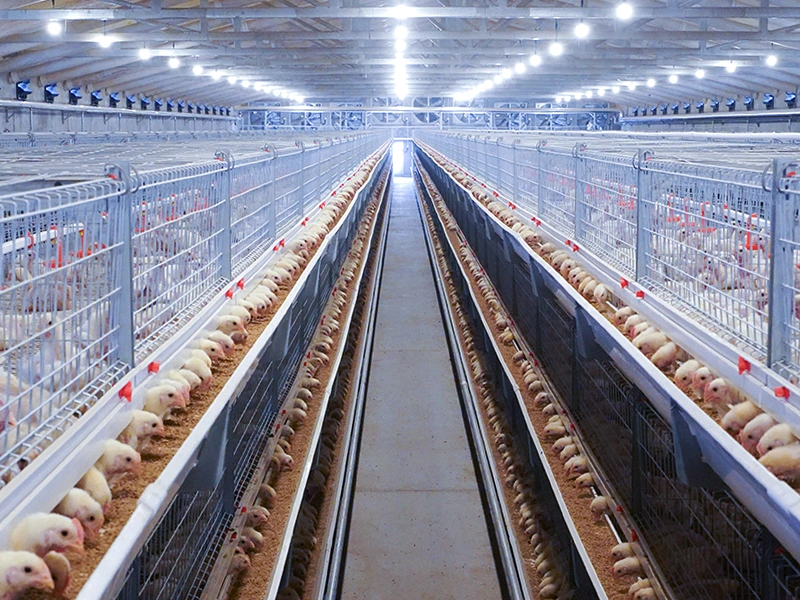
The company's goal is to provide customers with the best solutions for temperature and humidity control, to provide high-quality production and living environments for your greenhouses, livestock and poultry houses, industrial plants, etc., and to create the best benefits for you!
The Environmental Impact of Farrowing House Exhaust Fans: An In-Depth Analysis
Release time:
2026-07-07
The Environmental Impact of Farrowing House Exhaust Fans
As awareness of environmental issues grows, industries are increasingly focusing on sustainable practices, particularly in agriculture. One essential component in livestock operations, such as pig farming, is the farrowing house exhaust fan. These fans play a critical role in maintaining optimal conditions for both animals and workers, but their environmental impact is often overlooked. In this article, we will explore the various dimensions of farrowing house exhaust fans, their benefits, challenges, and future advancements.
Understanding Farrowing House Exhaust Fans
Farrowing house exhaust fans are specialized ventilation systems designed to remove stale air and excess moisture from pig farrowing houses. The primary purpose of these fans is to ensure a safe, healthy, and comfortable environment for sows and piglets during the farrowing process. By expelling hot air and replacing it with cooler, fresher air, these fans significantly contribute to the overall welfare of the animals.
The Importance of Effective Ventilation in Pig Farming
Effective ventilation is crucial in pig farming for several reasons:
1. **Animal Welfare**: Proper airflow helps maintain optimal temperatures, reducing heat stress in sows and improving their overall well-being.
2. **Health Management**: Good ventilation minimizes the buildup of harmful gases, such as ammonia, which can adversely affect respiratory health.
3. **Production Efficiency**: Maintaining a stable environment fosters better growth rates and increases the survival rates of piglets, directly impacting farm productivity.
Types of Farrowing House Exhaust Fans
Farrowing house exhaust fans come in various types, each designed to meet specific operational needs. The most common types include:
- **Inline Fans**: These fans are installed within ductwork and are ideal for moderate airflow requirements. They are efficient and can be used in conjunction with duct systems to optimize air distribution.
- **Wall-mounted Fans**: Designed to be installed on exterior walls, these fans efficiently expel hot air and are suitable for larger farrowing houses.
- **Ceiling-mounted Fans**: These fans provide uniform air distribution, ensuring that all areas within a farrowing house receive adequate airflow.
Environmental Impact of Farrowing House Exhaust Fans
While farrowing house exhaust fans serve essential functions, their environmental impacts must be taken into consideration. The major areas of concern include energy consumption, greenhouse gas emissions, and potential effects on surrounding ecosystems.
Energy Consumption and Carbon Footprint
The energy required to operate farrowing house exhaust fans can be significant, particularly in larger operations where multiple fans are necessary. This energy consumption contributes to the overall carbon footprint of the farm. However, advancements in technology are leading to more energy-efficient models that consume less electricity while maintaining optimal performance.
Technological Advancements in Exhaust Fan Design
Modern exhaust fans come equipped with features aimed at reducing energy consumption:
- **Variable Speed Drives (VSDs)**: VSDs allow fans to operate at different speeds based on real-time conditions, optimizing energy use.
- **Smart Controls**: Advanced control systems can analyze data and adjust fan speed and operation times, ensuring efficiency without sacrificing animal welfare.
- **Energy-efficient Motors**: Many contemporary exhaust fans use energy-efficient motors that consume less electricity while providing the same airflow.
Greenhouse Gas Emissions: A Hidden Concern
Beyond energy consumption, farrowing house exhaust fans can also contribute to greenhouse gas emissions. The electricity consumed by these fans often comes from fossil fuel sources, which are a significant contributor to global warming. By transitioning to renewable energy sources, farms can mitigate these emissions and promote a more sustainable operational model.
Mitigating Environmental Impact Through Sustainable Practices
Farmers can implement various strategies to reduce the environmental impact of farrowing house exhaust fans:
1. **Utilizing Renewable Energy Sources**: Installing solar panels or wind turbines can help farms generate their own electricity, reducing reliance on fossil fuels.
2. **Implementing Energy Management Systems**: Monitoring energy usage and identifying areas for improvement can lead to more efficient operations and lower carbon footprints.
Enhancing Air Quality in Farrowing Houses
One of the most significant benefits of farrowing house exhaust fans is their ability to improve air quality within the facility. Proper ventilation reduces the concentration of harmful gases and airborne pathogens, which can have detrimental effects on both animal health and worker safety.
Reducing Ammonia and Other Harmful Gases
Ammonia is a common byproduct of pig farming and can accumulate rapidly in poorly ventilated spaces. High concentrations can lead to respiratory issues in both pigs and farm workers. Farrowing house exhaust fans help to mitigate this risk by continuously circulating and refreshing the air.
Improving Overall Animal Health and Productivity
By providing a clean and well-ventilated environment, farrowing house exhaust fans contribute to the overall health of pigs. Healthier animals experience lower stress levels, improved growth rates, and higher survival rates of piglets, ultimately benefiting farm profitability.
The Future of Farrowing House Exhaust Fans
As the agriculture industry faces increasing pressure to adopt sustainable practices, the future of farrowing house exhaust fans is set to evolve. Innovations in design, technology, and energy efficiency will play a crucial role in shaping the next generation of equipment.
Emerging Technologies in Ventilation Systems
The incorporation of smart technologies and artificial intelligence in ventilation systems is expected to enhance efficiency further. These innovations will allow for real-time monitoring and adjustments, ensuring that farrowing houses maintain optimal conditions while minimizing energy consumption.
Collaboration and Research for Sustainable Solutions
Collaboration among farmers, researchers, and technology developers is essential for identifying best practices and developing new solutions that mitigate the environmental impact of farrowing house exhaust fans. Investments in research will lead to better understanding and new innovations that support sustainable agriculture.
FAQs about Farrowing House Exhaust Fans
1. What are the primary benefits of using farrowing house exhaust fans?
Farrowing house exhaust fans improve air quality, enhance animal welfare, and contribute to farm productivity by maintaining optimal environmental conditions.
2. How can farmers reduce the energy consumption of exhaust fans?
Farmers can invest in energy-efficient models, utilize variable speed drives, implement smart controls, and use renewable energy sources.
3. What types of farrowing house exhaust fans are available?
The most common types include inline fans, wall-mounted fans, and ceiling-mounted fans, each designed for specific airflow requirements.
4. How do exhaust fans affect greenhouse gas emissions?
The electricity consumed by exhaust fans often contributes to greenhouse gas emissions. Transitioning to renewable energy can mitigate this impact.
5. What role does ventilation play in animal health?
Proper ventilation reduces harmful gases like ammonia, improving the respiratory health of pigs and reducing stress levels.
Conclusion
The use of farrowing house exhaust fans is vital for maintaining a healthy and productive environment in pig farming. While these systems have environmental impacts, ongoing advancements in technology are paving the way for more efficient, sustainable solutions. By adopting best practices, utilizing renewable energy sources, and remaining open to innovative technologies, farmers can mitigate the negative effects of exhaust fans and contribute to a greener, more sustainable agricultural future. Investing in the right ventilation solutions not only enhances animal welfare but also aligns farming practices with global sustainability goals, promoting a healthier planet for future generations.
recommend Content
2025-04-24
Share

Engaged in all kinds of cooling heating and animal husbandry equipment
Qingzhou Ventimax Equipment Co.,Ltd.
Economic Development zone,Qingzhou,China