
-

Products
Main products include: large-scale livestock fans, large-scale greenhouse dedicated fans, industrial plant dedicated fans, circulation fans, roof automatic ventilators and other ventilation and cooling systems; wet curtains - fans, cold fans and other cooling and humidification systems; coal (fuel oil, electricity, gas) hot air fans, exhaust fans and other heating systems; feed towers, feed lines and other feeding systems; animal husbandry cage systems; scraper conveyor manure removal machines, belt conveyor manure removal machines and other manure removal systems.
-
About Us
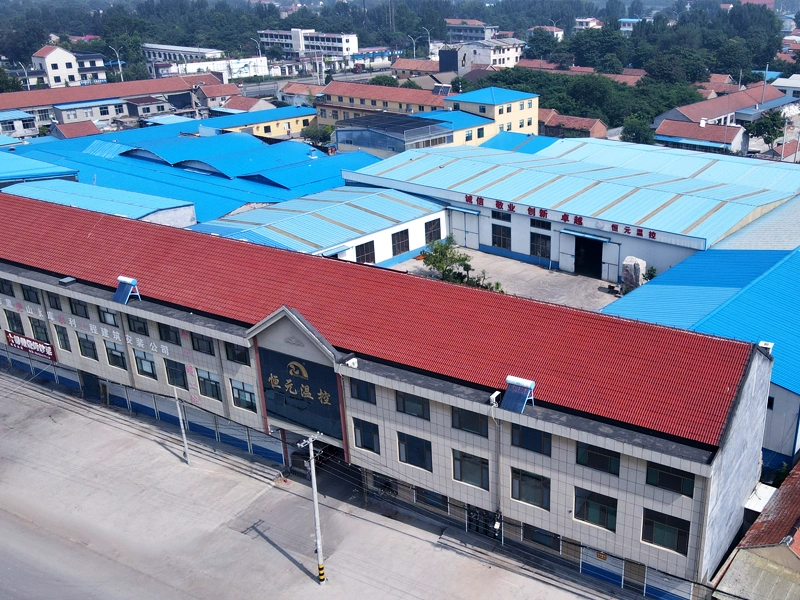
For many years, it has been committed to the development and promotion of national environmental protection and energy-saving products. It is a high-tech enterprise specializing in the production of environmental control-related equipment and technical services.
-
Blog
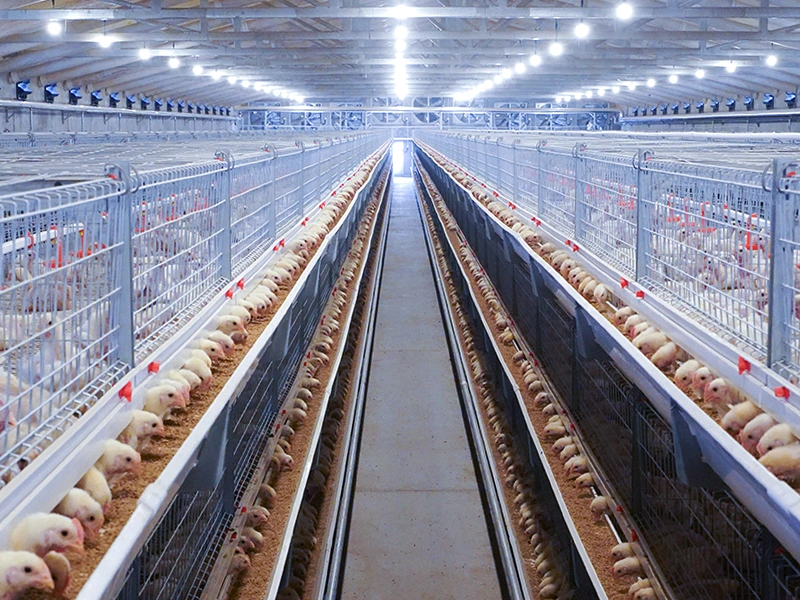
The company's goal is to provide customers with the best solutions for temperature and humidity control, to provide high-quality production and living environments for your greenhouses, livestock and poultry houses, industrial plants, etc., and to create the best benefits for you!
A Comprehensive Guide to Swine Barn Cooling Pad Maintenance: Ensuring Optimal Livestock Comfort
Release time:
2026-06-19
A Comprehensive Guide to Swine Barn Cooling Pad Maintenance
Maintaining an optimal environment in swine barns is vital for the health and productivity of pigs. One of the most effective solutions for temperature regulation is the installation of cooling pads. This guide delves into the various aspects of swine barn cooling pad maintenance, ensuring that your livestock remains comfortable and productive throughout the year.
Table of Contents
- 1. Understanding Cooling Pads: An Overview
- 2. The Importance of Cooling Pads in Swine Barns
- 3. Installing Cooling Pads: Best Practices
- 4. Routine Maintenance for Cooling Pads
- 5. Cleaning Cooling Pads: Effective Techniques
- 6. Troubleshooting Common Cooling Pad Issues
- 7. Seasonal Considerations for Cooling Pad Maintenance
- 8. Frequently Asked Questions (FAQs)
- 9. Conclusion
1. Understanding Cooling Pads: An Overview
Cooling pads are specialized components designed to enhance the cooling effect in livestock housing. They work on the principle of evaporative cooling, where water evaporation from the pads reduces the surrounding air temperature. Understanding the materials, types, and functioning of cooling pads is essential for effective maintenance.
1.1 Types of Cooling Pads
Cooling pads come in various types, including:
- Cellulose Pads: Made from treated cellulose paper, these pads are economical and effective in hot climates.
- Plastic Pads: These pads are durable and resistant to chemical degradation, making them ideal for harsh environments.
2. The Importance of Cooling Pads in Swine Barns
Proper temperature regulation is crucial for swine health. Excessive heat can lead to stress, decreased feed intake, and impaired growth rates. The installation of cooling pads serves multiple purposes:
- Maintaining optimal temperature for pigs.
- Enhancing overall barn ventilation.
- Improving feed conversion ratios.
3. Installing Cooling Pads: Best Practices
The installation process is critical for maximizing the efficiency of cooling pads. Here are the best practices for installation:
- Location: Position the cooling pads on the barn's east or north side to minimize direct sunlight exposure.
- Proper Sealing: Ensure that all edges are sealed correctly to prevent leaks.
- Water Supply: Connect the pads to a reliable water source with adequate pressure.
4. Routine Maintenance for Cooling Pads
Routine maintenance is vital for the longevity and efficiency of cooling pads. Regular checks should include:
- Inspecting the water supply for blockages.
- Monitoring the condition of the pads for signs of wear.
- Checking for proper airflow around the pads.
5. Cleaning Cooling Pads: Effective Techniques
Cleaning cooling pads is essential for preventing bacteria and mold buildup. Here are some effective cleaning techniques:
- Pressure Washing: This technique removes dirt and debris effectively.
- Using Biodegradable Cleaners: Opt for eco-friendly cleaning solutions to minimize environmental impact.
6. Troubleshooting Common Cooling Pad Issues
Even with regular maintenance, issues may arise. Here’s how to troubleshoot common problems:
- Insufficient Cooling: Check the water supply and ensure proper airflow.
- Water Leaks: Inspect seals and connections for damage.
7. Seasonal Considerations for Cooling Pad Maintenance
Seasonal changes necessitate modifications to maintenance routines. In summer, ensure regular inspections due to increased usage, while in winter, consider draining water supply to avoid freezing.
8. Frequently Asked Questions (FAQs)
8.1 How often should cooling pads be cleaned?
Cooling pads should be cleaned every 4-6 weeks during peak usage to maintain optimal efficiency.
8.2 What signs indicate that cooling pads need replacement?
Signs include visible wear, reduced cooling efficiency, and persistent blockages.
8.3 Can I use regular cleaning products on my cooling pads?
It’s best to use biodegradable and non-corrosive cleaning products to avoid damaging the pads.
8.4 How do I know if my cooling system is working correctly?
Check for adequate airflow, consistent water flow, and monitor barn temperatures regularly.
8.5 What is the lifespan of cooling pads?
Typically, cooling pads can last 5-10 years, depending on maintenance and usage conditions.
9. Conclusion
Maintaining cooling pads in swine barns is crucial for ensuring the health and productivity of your livestock. By following proper installation procedures, routine maintenance, and effective cleaning techniques, you can significantly enhance the operational efficiency of your cooling systems. Remember, a well-maintained cooling pad system not only promotes animal welfare but also improves overall farm productivity. Stay proactive in your maintenance efforts to foster a healthy environment for your swine.
recommend Content
2025-04-24
Share

Engaged in all kinds of cooling heating and animal husbandry equipment
Qingzhou Ventimax Equipment Co.,Ltd.
Economic Development zone,Qingzhou,China