
-

Products
Main products include: large-scale livestock fans, large-scale greenhouse dedicated fans, industrial plant dedicated fans, circulation fans, roof automatic ventilators and other ventilation and cooling systems; wet curtains - fans, cold fans and other cooling and humidification systems; coal (fuel oil, electricity, gas) hot air fans, exhaust fans and other heating systems; feed towers, feed lines and other feeding systems; animal husbandry cage systems; scraper conveyor manure removal machines, belt conveyor manure removal machines and other manure removal systems.
-
About Us
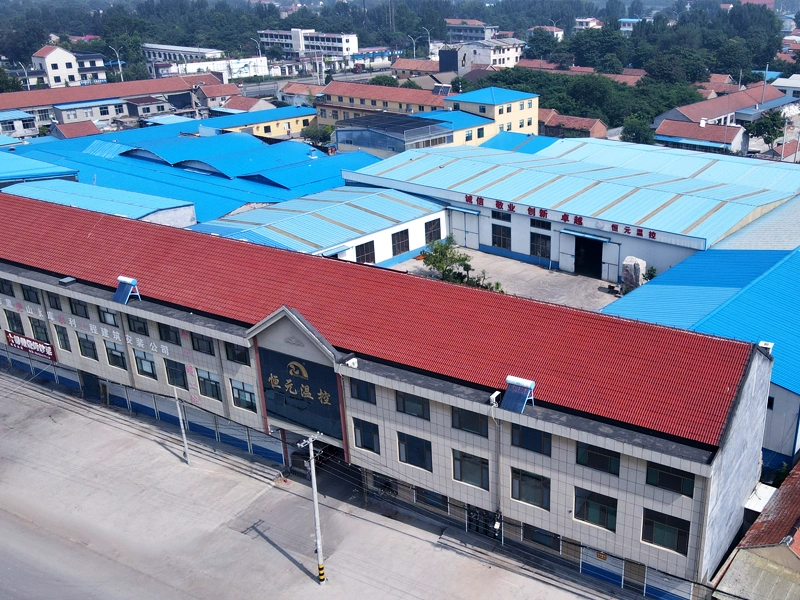
For many years, it has been committed to the development and promotion of national environmental protection and energy-saving products. It is a high-tech enterprise specializing in the production of environmental control-related equipment and technical services.
-
Blog
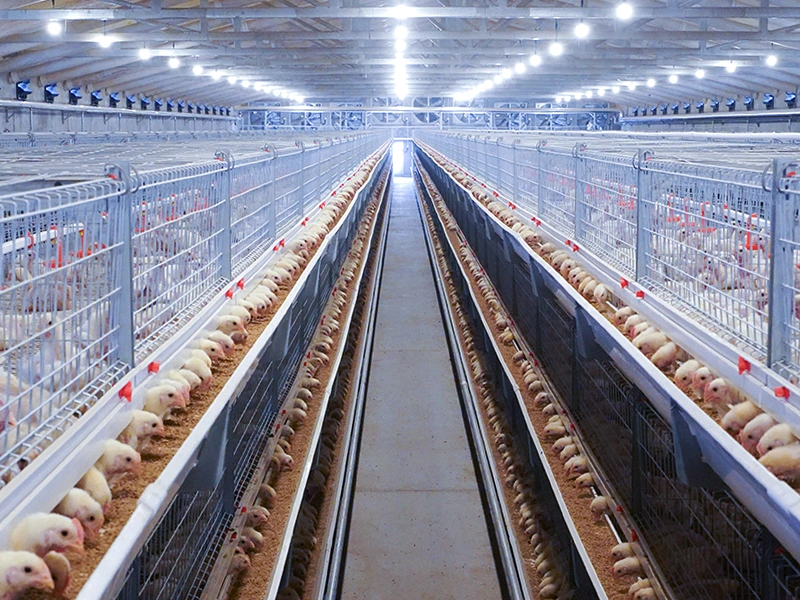
The company's goal is to provide customers with the best solutions for temperature and humidity control, to provide high-quality production and living environments for your greenhouses, livestock and poultry houses, industrial plants, etc., and to create the best benefits for you!
The Benefits of Variable Speed Farrowing House Exhaust Fans: Enhancing Livestock Welfare and Energy Efficiency
Release time:
2026-04-08
The Benefits of Variable Speed Farrowing House Exhaust Fans
Introduction to Variable Speed Exhaust Fans
In modern pig farming, maintaining optimal conditions within the farrowing house is crucial for the health and productivity of both sows and piglets. One of the most effective ways to achieve this is through the use of **variable speed farrowing house exhaust fans**. These specialized ventilation systems are designed to adjust airflow based on real-time conditions, offering numerous benefits over traditional fixed-speed fans.
This article delves into the advantages of variable speed exhaust fans, exploring their impact on livestock welfare, energy efficiency, and overall operational productivity.
Understanding Farrowing House Ventilation Needs
The Role of Proper Ventilation in Pig Farming
Effective **ventilation** is essential in farrowing houses to regulate temperature, humidity, and air quality. Poor ventilation can lead to the accumulation of harmful gases, such as ammonia, and increase the risk of disease among livestock. Furthermore, maintaining a stable environment is key to ensuring high-quality piglet production and minimizing stress levels in sows.
Challenges of Traditional Fixed-Speed Fans
Traditional fixed-speed exhaust fans operate at a constant rate, regardless of environmental conditions. This leads to several challenges:
1. **Energy Waste**: Fixed-speed fans often consume more energy than necessary, especially when full airflow is not required.
2. **Temperature Fluctuations**: High airflow during cooler periods can lead to drafts, causing stress to the animals.
3. **Inconsistent Air Quality**: Fixed rates can fail to effectively manage humidity and gas levels, resulting in unhealthy living conditions.
The Mechanics of Variable Speed Farrowing House Exhaust Fans
How Variable Speed Fans Work
Variable speed fans utilize advanced technology that allows them to adjust their speed based on the conditions within the farrowing house. Using sensors, these fans can monitor factors such as temperature, humidity, and ammonia levels. The fans will increase or decrease their speed accordingly, ensuring optimal ventilation without unnecessary energy expenditure.
Key Components of Variable Speed Exhaust Fans
1. **Variable Frequency Drives (VFDs)**: These devices control the speed of the fan motor, allowing for precise adjustments based on real-time data.
2. **Sensors**: Integrated sensors measure environmental conditions, providing feedback to the VFD for optimal operation.
3. **Smart Controllers**: Some systems incorporate smart technology that can be programmed to follow specific ventilation schedules or respond to changing weather conditions.
Benefits of Variable Speed Farrowing House Exhaust Fans
1. Enhanced Animal Welfare
One of the most significant benefits of variable speed fans is their ability to create a more **comfortable environment** for sows and piglets. By maintaining consistent temperatures and reducing drafts, these fans help to minimize stress, which is critical for the health and productivity of livestock.
2. Improved Energy Efficiency
Variable speed fans are designed to operate efficiently, adjusting their speed based on actual needs rather than running at full capacity at all times. This results in substantial energy savings, reducing operational costs and the overall carbon footprint of the farm. Studies have shown that farms using variable speed technology can achieve energy savings of up to **50%** compared to traditional systems.
3. Optimized Air Quality
By continuously monitoring and adjusting airflow, variable speed exhaust fans can effectively manage humidity levels and reduce the concentration of harmful gases like ammonia. This leads to a healthier environment for livestock, decreasing the likelihood of respiratory issues and other health problems.
4. Increased Productivity
When sows are comfortable and healthy, they are more likely to produce healthy litters. The enhanced environment provided by variable speed fans contributes to improved reproductive performance and overall productivity on the farm.
5. Reduced Maintenance Costs
Variable speed fans typically have longer lifespans and require less maintenance compared to fixed-speed options. The ability to operate at lower speeds reduces wear and tear on the system, leading to decreased repair and replacement costs over time.
Implementing Variable Speed Exhaust Fans in Your Farrowing House
Assessing Your Current Ventilation System
Before transitioning to variable speed exhaust fans, it is essential to evaluate your existing ventilation system. Consider the size and layout of your farrowing house, as well as your specific ventilation needs.
Choosing the Right Equipment
When selecting variable speed fans, it is crucial to choose equipment that is appropriate for your farrowing house. Look for fans with a proven track record, good energy efficiency ratings, and compatibility with your existing systems. Consulting with an **HVAC specialist** experienced in agricultural settings can provide valuable insights.
Installation Best Practices
Proper installation is key to maximizing the benefits of variable speed fans. Ensure that all components are installed according to the manufacturer’s specifications. Additionally, consider integrating your fans into a comprehensive **ventilation management system** to monitor performance and make adjustments as needed.
Frequently Asked Questions (FAQs)
1. How do variable speed exhaust fans improve air quality in the farrowing house?
Variable speed exhaust fans continuously adjust their airflow based on real-time environmental conditions, effectively managing humidity and reducing harmful gas concentrations.
2. What are the energy savings associated with variable speed fans?
Variable speed fans can achieve energy savings of up to 50% compared to traditional fixed-speed fans due to their ability to adjust speeds based on actual needs.
3. Do variable speed fans require more maintenance than traditional fans?
No, variable speed fans typically require less maintenance due to their efficient operation and reduced wear and tear.
4. Can variable speed fans be integrated with existing ventilation systems?
Yes, variable speed fans can often be integrated with existing systems, but it is essential to consult with a professional to ensure compatibility and optimal performance.
5. What is the initial cost of installing variable speed exhaust fans?
While the initial investment may be higher compared to traditional fixed-speed fans, the long-term savings in energy and maintenance costs often justify the expense.
Conclusion
In conclusion, **variable speed farrowing house exhaust fans** are an innovative solution that significantly enhances livestock welfare, energy efficiency, and productivity in pig farming. By providing a tailored ventilation approach, these fans create a healthier environment for sows and piglets, ultimately leading to improved farm performance and profitability. As the agricultural industry continues to evolve, investing in advanced ventilation technology will be crucial for staying competitive and sustainable in the marketplace. Embracing variable speed technology is a step toward a more efficient and responsible future in livestock management.
recommend Content
2025-04-24
Share

Engaged in all kinds of cooling heating and animal husbandry equipment
Qingzhou Ventimax Equipment Co.,Ltd.
Economic Development zone,Qingzhou,China