
-

Products
Main products include: large-scale livestock fans, large-scale greenhouse dedicated fans, industrial plant dedicated fans, circulation fans, roof automatic ventilators and other ventilation and cooling systems; wet curtains - fans, cold fans and other cooling and humidification systems; coal (fuel oil, electricity, gas) hot air fans, exhaust fans and other heating systems; feed towers, feed lines and other feeding systems; animal husbandry cage systems; scraper conveyor manure removal machines, belt conveyor manure removal machines and other manure removal systems.
-
About Us
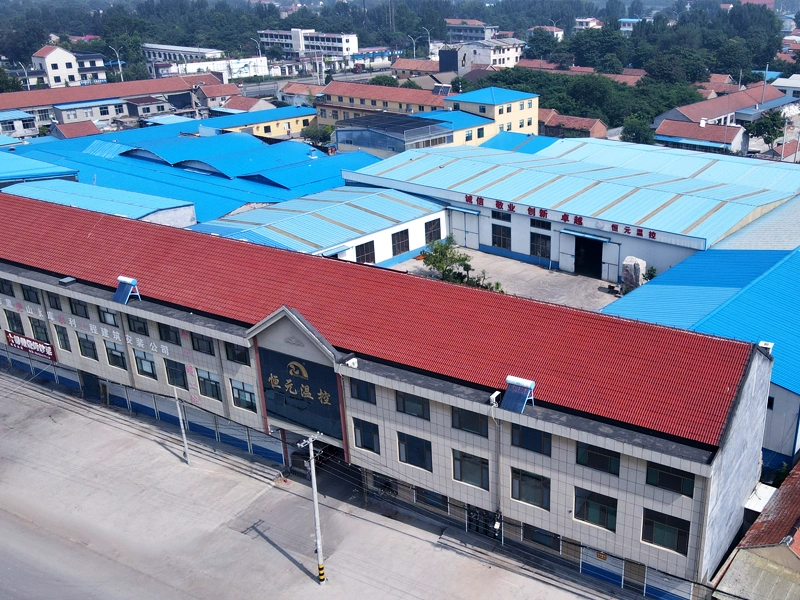
For many years, it has been committed to the development and promotion of national environmental protection and energy-saving products. It is a high-tech enterprise specializing in the production of environmental control-related equipment and technical services.
-
Blog
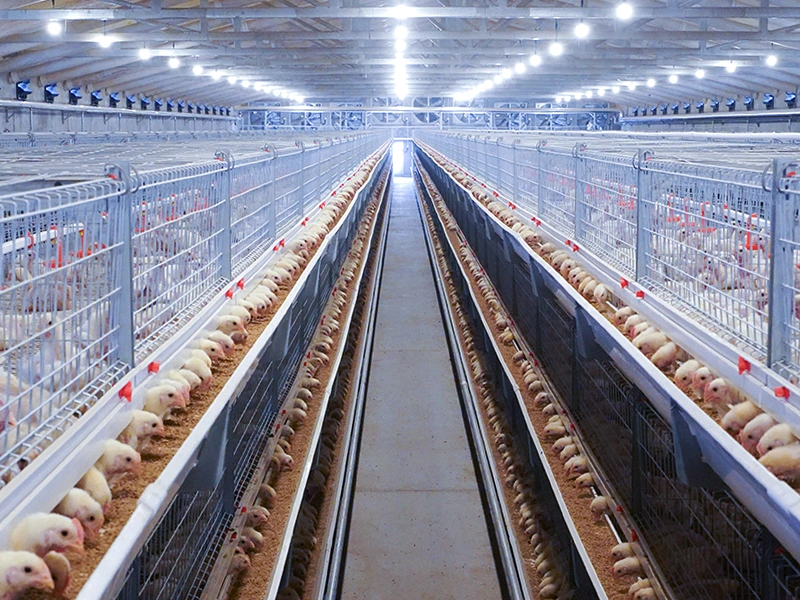
The company's goal is to provide customers with the best solutions for temperature and humidity control, to provide high-quality production and living environments for your greenhouses, livestock and poultry houses, industrial plants, etc., and to create the best benefits for you!
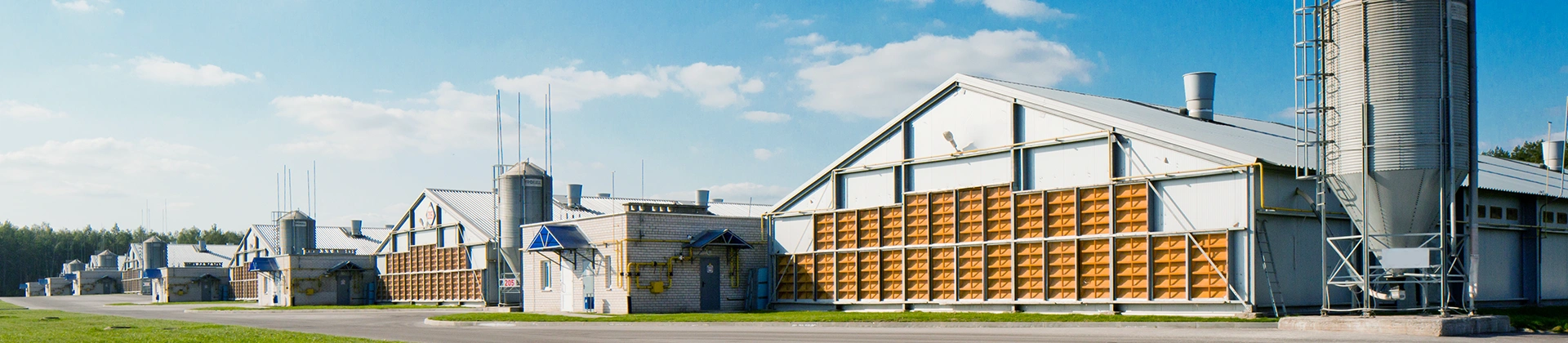
Enhance Airflow in Your Pig Barn with Low-Cost Shutter Options for Optimal Pig Health
Release time:
2026-03-27
Enhance Airflow in Your Pig Barn with Low-Cost Shutter Options
Table of Contents
- 1. Introduction to Airflow in Pig Barns
- 2. Importance of Proper Airflow in Pig Barns
- 3. Best Low-Cost Shutter Options for Your Pig Barn
- 4. Benefits of Utilizing Shutters
- 5. Installation Tips for Your Shutter System
- 6. Maintenance of Shutter Systems
- 7. Cost-Effectiveness of Low-Cost Shutter Options
- 8. FAQs About Airflow and Shutter Systems in Pig Barns
- 9. Conclusion
1. Introduction to Airflow in Pig Barns
In modern pig farming, ensuring proper airflow in barns is paramount for maintaining a healthy environment. Oxygen levels, humidity, and temperature regulation directly impact pig health and growth rates. This guide will explore **affordable shutter solutions** that enhance airflow in pig barns, ensuring your animals thrive.
2. Importance of Proper Airflow in Pig Barns
Proper airflow is vital for several reasons:
2.1 Healthier Pigs
Inadequate ventilation can lead to the buildup of harmful gases such as ammonia, which can cause respiratory issues in pigs. Good airflow helps minimize these risks, promoting **healthier animals**.
2.2 Temperature Control
Pigs are sensitive to temperature fluctuations. Effective airflow helps regulate barn temperatures, keeping them cool in summer and warm in winter, which is crucial for their **overall well-being**.
2.3 Improved Feed Efficiency
Healthy pigs are more productive. Proper airflow contributes to better feed conversion rates, leading to higher efficiency and profitability for pig farmers.
3. Best Low-Cost Shutter Options for Your Pig Barn
When considering shutter options for enhancing airflow, budget-friendly solutions can be effective without compromising quality. Here are some of the best options:
3.1 Manual Adjustable Shutters
**Manual adjustable shutters** allow farmers to control airflow throughout the day. These shutters can be opened or closed based on temperature and weather conditions, making them a flexible choice.
3.2 Automatic Shutter Systems
Investing in **automatic shutter systems** can save time and labor costs. These systems can be equipped with sensors to adjust based on humidity levels and temperature, ensuring optimal airflow without constant manual adjustments.
3.3 Louvered Shutters
**Louvered shutters** are an excellent option for allowing airflow while minimizing rain and wind exposure. They can be installed at various angles to maximize ventilation, making them effective for pig barns.
3.4 Roller Shutters
**Roller shutters** are another economical choice. They can be easily rolled up or down, providing farmers with the ability to adjust airflow based on specific needs.
3.5 DIY Shutter Solutions
For those on a tighter budget, **DIY shutter solutions** can be crafted from materials such as wood or PVC. These can be custom-made to fit specific barn dimensions and provide effective ventilation at a fraction of the cost.
4. Benefits of Utilizing Shutters
Utilizing shutters in your pig barn offers multiple benefits:
4.1 Enhanced Air Quality
Shutters improve overall air quality by allowing fresh air to circulate, reducing harmful gases and ensuring a healthier environment for pigs.
4.2 Cost Savings
Implementing shutter solutions can lead to decreased heating and cooling costs, as proper airflow minimizes the need for additional climate control systems.
4.3 Increased Pig Comfort
Comfortable pigs are productive pigs. Shutter systems help maintain optimal conditions, leading to better growth rates and overall health.
5. Installation Tips for Your Shutter System
Installing shutters in your pig barn is a relatively straightforward process. Here are some tips to ensure a successful installation:
5.1 Assess Your Barn's Layout
Before installation, assess where shutters will be most beneficial. Consider areas that receive the most airflow and placement to maximize ventilation.
5.2 Choose the Right Size
Select shutters that fit your barn dimensions. Proper sizing is crucial; too small and they won't provide adequate airflow, too large and they could cause disruptions.
5.3 Ensure Easy Access
Shutter placement should allow easy access for adjustments and maintenance. Make sure they are reachable and functional without obstructing daily barn operations.
5.4 Use Quality Materials
Opt for durable materials that can withstand harsh environmental conditions. Investing in quality materials will save money in the long run by reducing the need for repairs.
5.5 Follow Manufacturer Guidelines
Always follow the manufacturer's guidelines during installation to ensure optimal performance and longevity of your shutter systems.
6. Maintenance of Shutter Systems
After installation, regular maintenance is essential to keep your shutter systems functioning effectively:
6.1 Regular Cleaning
Dust, debris, and manure can accumulate on shutters. Regular cleaning will ensure proper operation and airflow.
6.2 Inspect for Damage
Periodically check for any signs of wear or damage. Early detection can prevent further issues and costly repairs.
6.3 Lubricate Moving Parts
For adjustable or automatic shutters, ensure that moving parts are lubricated to avoid friction, which can hinder their effectiveness.
7. Cost-Effectiveness of Low-Cost Shutter Options
Investing in low-cost shutter options can lead to significant savings over time. Here’s why:
7.1 Reduced Energy Costs
By enhancing airflow, you can decrease your reliance on heating and cooling systems, leading to lower energy bills.
7.2 Increased Productivity
Healthy pigs grow faster and require less feed, which translates to increased productivity and profitability for farmers.
7.3 Long-Term Durability
Quality low-cost shutters, when maintained properly, can last for years, providing excellent value for your investment.
8. FAQs About Airflow and Shutter Systems in Pig Barns
8.1 What is the best type of shutter for pig barns?
The best type of shutter depends on your specific needs, but manual adjustable shutters and automatic systems are popular choices for their flexibility and ease of use.
8.2 How often should I clean my shutters?
Shutters should be cleaned at least once every season or more frequently if there is heavy dust or manure accumulation.
8.3 Can I install shutters myself?
Yes, many farmers successfully install shutters themselves, especially if they follow proper guidelines and measure carefully.
8.4 What maintenance do shutters require?
Regular cleaning, inspections for damage, and lubricating moving parts are crucial for maintaining your shutter systems.
8.5 How do shutters improve pig health?
Shutters enhance airflow, reducing harmful gas concentrations and maintaining optimal temperatures, thus promoting overall pig health.
9. Conclusion
Enhancing airflow in your pig barn with low-cost shutter options is a smart investment for any pig farmer. By understanding the importance of proper ventilation, exploring various shutter options, and implementing effective installation and maintenance strategies, farmers can ensure a healthier environment for their livestock. Improved airflow results in increased productivity, better animal health, and ultimately, a more profitable farming operation. Don’t hesitate to invest in these solutions for the well-being of your pigs and the success of your farm.
recommend Content
2025-04-24
Share

Engaged in all kinds of cooling heating and animal husbandry equipment
Qingzhou Ventimax Equipment Co.,Ltd.
Economic Development zone,Qingzhou,China