
-

Products
Main products include: large-scale livestock fans, large-scale greenhouse dedicated fans, industrial plant dedicated fans, circulation fans, roof automatic ventilators and other ventilation and cooling systems; wet curtains - fans, cold fans and other cooling and humidification systems; coal (fuel oil, electricity, gas) hot air fans, exhaust fans and other heating systems; feed towers, feed lines and other feeding systems; animal husbandry cage systems; scraper conveyor manure removal machines, belt conveyor manure removal machines and other manure removal systems.
-
About Us
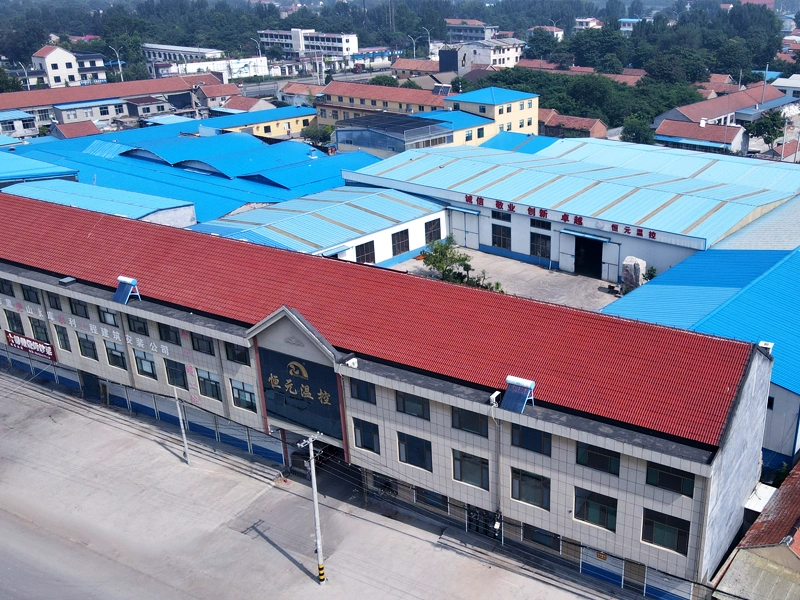
For many years, it has been committed to the development and promotion of national environmental protection and energy-saving products. It is a high-tech enterprise specializing in the production of environmental control-related equipment and technical services.
-
Blog
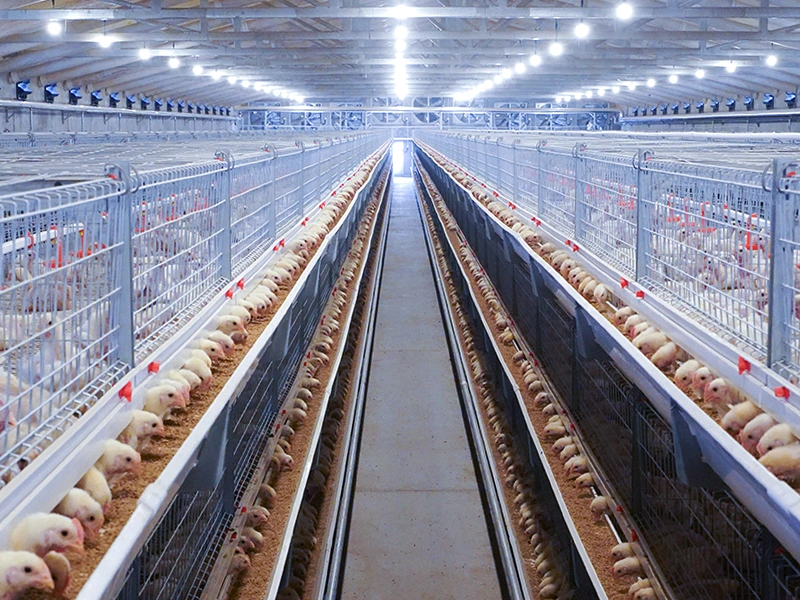
The company's goal is to provide customers with the best solutions for temperature and humidity control, to provide high-quality production and living environments for your greenhouses, livestock and poultry houses, industrial plants, etc., and to create the best benefits for you!
Swine Barn Cooling Pads: The Essential Component for Sustainable Pig Farming
Release time:
2026-03-21
Swine Barn Cooling Pads: The Essential Component for Sustainable Pig Farming
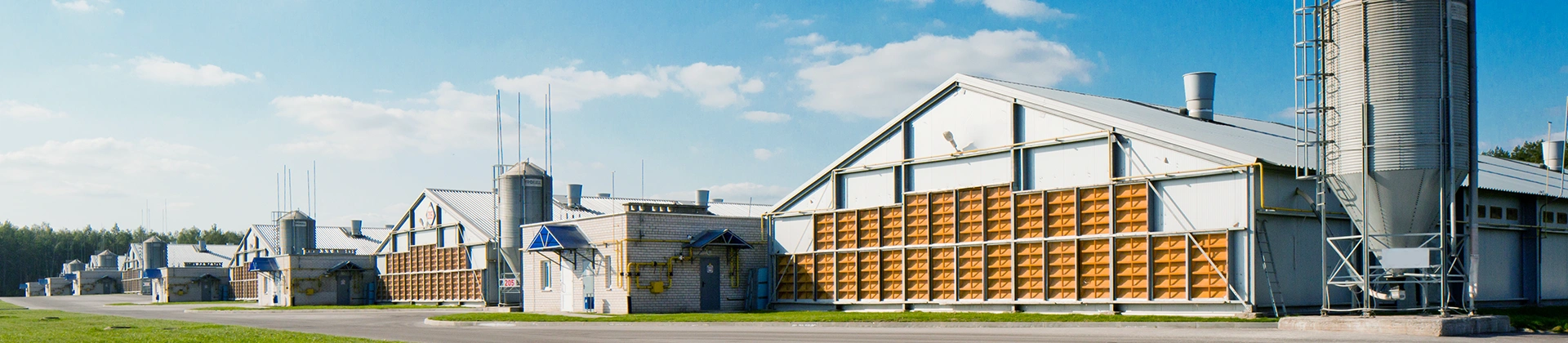
In the world of **sustainable farming**, particularly in swine production, maintaining optimal **temperature and humidity** levels is crucial for the health and productivity of pigs. As climate change continues to challenge traditional farming practices, innovative solutions such as **swine barn cooling pads** have emerged as key components in maintaining a suitable environment for livestock. This article explores the importance of cooling pads, their features, benefits, and best practices for implementation.
Table of Contents
1. Understanding the Role of Swine Barn Cooling Pads
2. How Cooling Pads Work: Mechanisms Behind Their Efficiency
3. Benefits of Swine Barn Cooling Pads in Sustainable Farming
3.1 Enhanced Animal Welfare and Performance
3.2 Energy Efficiency and Cost Savings
3.3 Environmental Impact and Sustainability
4. Choosing the Right Cooling Pad for Your Swine Barn
5. Installation Best Practices for Optimal Performance
6. Maintenance Tips for Longevity and Efficiency
7. Case Studies: Successful Implementation of Cooling Pads
8. Frequently Asked Questions (FAQs)
9. Conclusion
1. Understanding the Role of Swine Barn Cooling Pads
Swine barn cooling pads are specially designed systems that help regulate the temperature and humidity within pig housing facilities. They play a vital role in ensuring that pigs remain comfortable and healthy, which is essential for maximizing growth rates and overall farm productivity. As the temperature rises, pigs become increasingly stressed, leading to decreased feed intake, poor weight gain, and lower reproductive performance. Cooling pads help mitigate these issues by providing a cooler microclimate within the barn.
2. How Cooling Pads Work: Mechanisms Behind Their Efficiency
Cooling pads operate on the principle of **evaporative cooling**. When warm, dry air passes over the wet surface of the cooling pads, heat is absorbed, and the air is cooled before it enters the barn. This process can significantly reduce the temperature in the barn, providing a more comfortable environment for the pigs.
Typically made from materials such as **cellulose** or **plastic**, swine barn cooling pads are designed to withstand the rigors of a farm environment. They are often installed in conjunction with fans that help circulate the cooled air, enhancing the overall efficiency of the cooling system.
3. Benefits of Swine Barn Cooling Pads in Sustainable Farming
3.1 Enhanced Animal Welfare and Performance
The primary benefit of installing cooling pads in swine barns is the improvement in animal welfare. Pigs are sensitive to heat stress, which can lead to a range of health issues. With proper cooling, pigs can maintain optimal body temperature, leading to improved **feed conversion rates**, higher average daily gains, and better reproductive outcomes.
3.2 Energy Efficiency and Cost Savings
In addition to enhancing animal welfare, cooling pads can also lead to significant energy savings. Traditional cooling systems, such as air conditioning, consume a large amount of energy. In contrast, evaporative cooling systems using pads are typically more energy-efficient, leading to lower utility bills and reduced carbon footprints for farms.
3.3 Environmental Impact and Sustainability
Sustainable farming practices are increasingly important in today’s agricultural landscape. Cooling pads contribute to sustainability by reducing energy consumption and utilizing less water compared to conventional cooling systems. By implementing cooling pads, farmers can decrease their environmental impact while simultaneously improving animal welfare and productivity.
4. Choosing the Right Cooling Pad for Your Swine Barn
Selecting the appropriate cooling pad involves several considerations. Factors such as barn size, climate conditions, and specific needs of the pigs should all be taken into account. Here are some key points to consider:
- **Material**: Choose between cellulose or plastic pads based on durability, efficiency, and budget.
- **Thickness**: Thicker pads offer better cooling but may be more expensive.
- **Size**: Ensure the pads fit the dimensions of your barn and provide adequate coverage.
- **Water Supply**: Check that you have a reliable water source to maintain the pads.
5. Installation Best Practices for Optimal Performance
Proper installation is crucial for ensuring that cooling pads function effectively. Follow these best practices:
- **Location**: Install pads on the side of the barn receiving prevailing winds to maximize airflow.
- **Sealing**: Ensure all joints are sealed to prevent leaks and maintain airflow efficiency.
- **Orientation**: Position the pads vertically to maximize exposure to the air and ensure even water distribution.
6. Maintenance Tips for Longevity and Efficiency
To ensure that your cooling pads remain effective over time, regular maintenance is essential. Follow these tips:
- **Cleaning**: Regularly clean the pads to remove dust and debris that can hinder performance.
- **Water Quality**: Use clean water to prevent algae growth and mineral buildup.
- **Inspection**: Routinely inspect for any signs of wear or damage and replace parts as necessary.
7. Case Studies: Successful Implementation of Cooling Pads
Several farms have successfully implemented swine barn cooling pads, leading to improved productivity and animal welfare. For example, a large-scale swine operation in the Midwest reported a **20% increase** in average daily weight gain after the installation of cooling pads, alongside a **15% reduction** in energy costs. These success stories underline the effectiveness of cooling pads as a sustainable farming solution.
8. Frequently Asked Questions (FAQs)
What are the main benefits of using swine barn cooling pads?
Cooling pads improve animal welfare, enhance growth rates, and reduce energy costs, contributing to sustainable farming practices.
How do cooling pads work?
Cooling pads use evaporative cooling to lower the temperature of incoming air, providing a cooler environment for pigs.
What materials are cooling pads made from?
Cooling pads are typically made from cellulose or plastic, with each material offering unique benefits.
How often should cooling pads be cleaned?
It is recommended to clean cooling pads at least once a month to maintain their efficiency and prevent buildup.
Can cooling pads be used in all climates?
Yes, cooling pads can be effective in various climates, but their efficiency may vary based on humidity levels and temperature.
9. Conclusion
In conclusion, swine barn cooling pads are an indispensable component of sustainable pig farming. They not only enhance animal welfare by providing a comfortable environment but also contribute to energy efficiency and environmental sustainability. By carefully selecting and maintaining these cooling systems, farmers can improve productivity and contribute to a more sustainable future for agriculture. Investing in cooling pads is more than just an operational decision; it is a commitment to better farming practices that benefit both the animals and the planet.
recommend Content
2025-04-24
Share

Engaged in all kinds of cooling heating and animal husbandry equipment
Qingzhou Ventimax Equipment Co.,Ltd.
Economic Development zone,Qingzhou,China