
-

Products
Main products include: large-scale livestock fans, large-scale greenhouse dedicated fans, industrial plant dedicated fans, circulation fans, roof automatic ventilators and other ventilation and cooling systems; wet curtains - fans, cold fans and other cooling and humidification systems; coal (fuel oil, electricity, gas) hot air fans, exhaust fans and other heating systems; feed towers, feed lines and other feeding systems; animal husbandry cage systems; scraper conveyor manure removal machines, belt conveyor manure removal machines and other manure removal systems.
-
About Us
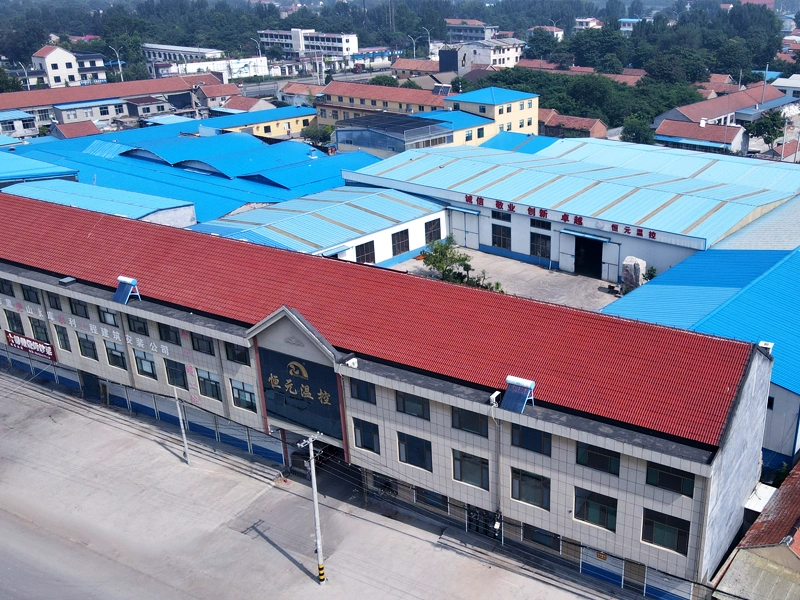
For many years, it has been committed to the development and promotion of national environmental protection and energy-saving products. It is a high-tech enterprise specializing in the production of environmental control-related equipment and technical services.
-
Blog
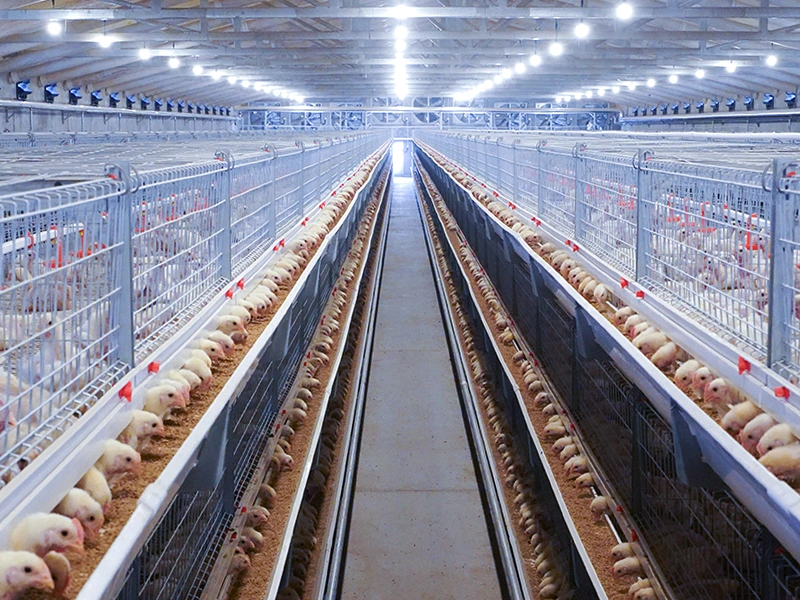
The company's goal is to provide customers with the best solutions for temperature and humidity control, to provide high-quality production and living environments for your greenhouses, livestock and poultry houses, industrial plants, etc., and to create the best benefits for you!
Transform Your Barn with Efficient High Airflow Exhaust Fans: Enhance Air Quality and Productivity
Release time:
2026-03-03
Transform Your Barn with Efficient High Airflow Exhaust Fans
Introduction: Why Airflow Matters in Barns
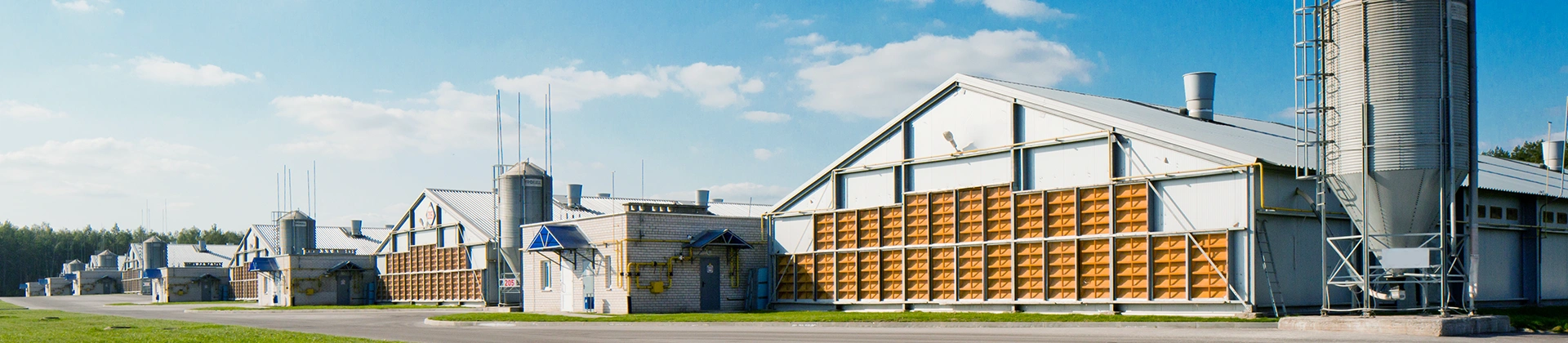
In agricultural settings, particularly barns, maintaining optimal air quality is crucial for the health of livestock and the efficiency of operations. Efficient airflow plays a vital role in regulating temperature, reducing humidity, and ensuring a comfortable environment for animals. High airflow exhaust fans emerge as an indispensable solution for achieving these goals.
The Importance of High Airflow Exhaust Fans
1. Enhancing Livestock Health and Well-being
High airflow exhaust fans significantly contribute to the health of livestock. Proper ventilation reduces the risk of respiratory diseases caused by stale air, moisture buildup, and harmful gases like ammonia. A well-ventilated space promotes better growth rates and overall animal welfare.
2. Reducing Humidity and Preventing Mold Growth
Excess humidity in barns can lead to mold growth and spoilage of feed. High airflow exhaust fans help maintain optimal moisture levels by exchanging humid air with fresh, dry air. This not only protects the feed but also creates a healthier environment for animals and farmworkers.
3. Improving Air Quality and Odor Control
Stagnant air can lead to unpleasant odors that affect both livestock and workers. Exhaust fans help to improve air quality by removing excess heat and odors, providing a fresher atmosphere. This is particularly important in barns housing a large number of animals.
Types of High Airflow Exhaust Fans
1. Wall-Mounted Exhaust Fans
Wall-mounted exhaust fans are typically installed on external walls of barns. They draw stale air out of the barn while allowing fresh air to enter from other openings. These fans are effective for spaces where wall openings are feasible.
2. Ceiling-Mounted Exhaust Fans
Ceiling-mounted fans operate by circulating air throughout the barn before removing it. They are suitable for larger barns where airflow needs to be distributed evenly, supporting overall ventilation efficiency.
3. Inline Exhaust Fans
Inline exhaust fans are installed within ductwork and are ideal for barns that require more complex ventilation systems. They are designed to work seamlessly with existing setups and can enhance airflow without taking up significant space.
Key Features to Look for in Exhaust Fans
1. Airflow Capacity
When selecting an exhaust fan, one of the most important specifications to consider is airflow capacity, measured in cubic feet per minute (CFM). The higher the CFM rating, the more air the fan can move, making it crucial for effective ventilation in large barns.
2. Energy Efficiency
Opting for energy-efficient models can lead to significant savings on electricity bills. Look for fans with high Energy Efficiency Ratings (EER) and those that utilize variable speed motors to adjust airflow as needed.
3. Durability and Material Quality
Barn environments can be harsh, with humidity, dust, and potential corrosion factors at play. Choose exhaust fans made from durable, corrosion-resistant materials that can withstand these conditions over time.
Installation Tips for High Airflow Exhaust Fans
1. Assess Your Barn’s Layout
Before installation, evaluate your barn's layout to identify the most effective locations for the fans. Consider airflow patterns and ensure that fans are placed to promote optimal circulation.
2. Follow Manufacturer Guidelines
Always adhere to the manufacturer’s installation guidelines for your specific model. This ensures proper functionality and maximizes the efficiency of your exhaust fans.
3. Seek Professional Help When Needed
If you’re unsure about the installation process or the best configuration for your barn, consider consulting with a professional. Proper installation is key to achieving the desired airflow and efficiency.
Maintenance of High Airflow Exhaust Fans
1. Regular Cleaning
Dust and debris can accumulate on the blades and housing of exhaust fans, reducing efficiency. Regular cleaning can help maintain optimal airflow and prolong the lifespan of the fans.
2. Inspect Electrical Components
Periodically check the electrical components, including wiring and connections, for signs of wear or damage. This ensures safe operation and prevents potential issues down the line.
3. Monitor Performance
Keep an eye on the performance of your exhaust fans. If you notice a decrease in airflow or unusual sounds, it may be time for repairs or replacements.
Cost-Effective Solutions for Barn Airflow Management
1. Consider a Combination of Fans
Sometimes, a single type of exhaust fan may not be sufficient. Using a combination of wall-mounted and ceiling-mounted fans can help create a more comprehensive airflow system tailored to your barn’s needs.
2. Utilize Natural Ventilation
In addition to mechanical fans, consider incorporating natural ventilation methods such as strategically placed windows and vents. This can enhance airflow without additional energy costs.
3. Invest in Automation
Automated systems can optimize fan operation based on temperature and humidity levels, ensuring that your barn remains comfortable without wasting energy.
Frequently Asked Questions (FAQs)
1. How do I determine the right size exhaust fan for my barn?
To determine the right size, consider the barn's volume and the desired airflow rate. A general rule is to aim for at least 4-6 air changes per hour.
2. Can I install exhaust fans myself, or should I hire a professional?
While some barn owners can install exhaust fans themselves, hiring a professional can ensure proper installation and efficiency.
3. What maintenance do exhaust fans require?
Regular maintenance includes cleaning the blades, checking electrical components, and monitoring performance.
4. How do I improve airflow without adding more fans?
Improving airflow can be achieved by optimizing existing fan placement, ensuring proper ducting, and utilizing natural ventilation methods.
5. Are energy-efficient fans worth the investment?
Yes, energy-efficient fans can lead to significant savings on energy costs over time, making them a worthwhile investment for barn owners.
Conclusion: Enhance Your Barn with Efficient High Airflow Exhaust Fans
Transforming your barn with efficient high airflow exhaust fans is a strategic investment in the health of your livestock and the productivity of your operations. By understanding the importance of airflow, selecting the right fans, ensuring proper installation and maintenance, you can create a more comfortable and efficient environment for both animals and workers. Embrace this opportunity to enhance your barn's air quality, leading to improved growth rates, healthier livestock, and ultimately, a more successful farming operation.
recommend Content
2025-04-24
Share

Engaged in all kinds of cooling heating and animal husbandry equipment
Qingzhou Ventimax Equipment Co.,Ltd.
Economic Development zone,Qingzhou,China