
-

Products
Main products include: large-scale livestock fans, large-scale greenhouse dedicated fans, industrial plant dedicated fans, circulation fans, roof automatic ventilators and other ventilation and cooling systems; wet curtains - fans, cold fans and other cooling and humidification systems; coal (fuel oil, electricity, gas) hot air fans, exhaust fans and other heating systems; feed towers, feed lines and other feeding systems; animal husbandry cage systems; scraper conveyor manure removal machines, belt conveyor manure removal machines and other manure removal systems.
-
About Us
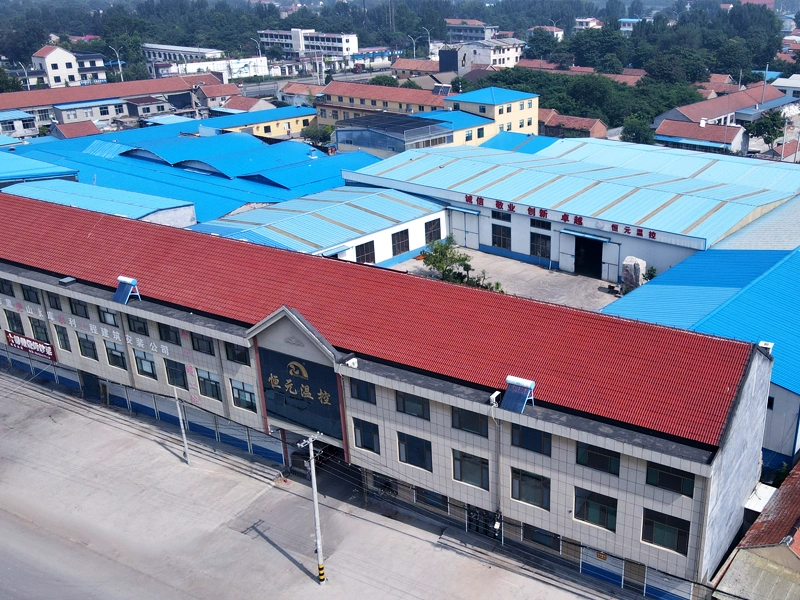
For many years, it has been committed to the development and promotion of national environmental protection and energy-saving products. It is a high-tech enterprise specializing in the production of environmental control-related equipment and technical services.
-
Blog
The company's goal is to provide customers with the best solutions for temperature and humidity control, to provide high-quality production and living environments for your greenhouses, livestock and poultry houses, industrial plants, etc., and to create the best benefits for you!
How to Choose Budget-Friendly Swine Barn Ventilation Solutions: A Comprehensive Guide for Optimizing Airflow and Health
Release time:
2026-02-25
How to Choose Budget-Friendly Swine Barn Ventilation Solutions
Ventilation is a critical aspect of swine barn management. Proper airflow not only maintains a comfortable environment for the pigs but also significantly affects their health, growth rates, and overall productivity. In this article, we will explore various budget-friendly swine barn ventilation solutions to help farmers make informed decisions that strike a balance between cost and effectiveness.
Understanding the Importance of Ventilation in Swine Barns
Before diving into budget-friendly solutions, it's essential to understand why ventilation is crucial in swine barns.
The Impact of Poor Ventilation
Inadequate ventilation can lead to a host of problems, including:
- Poor air quality
- Increased ammonia levels
- Higher humidity
- Respiratory issues in pigs
- Increased risk of disease
These factors can affect the overall health and growth of swine, leading to economic losses for farmers.
Benefits of Proper Ventilation
Effective ventilation systems can:
- Improve air quality
- Regulate temperature and humidity
- Enhance pig comfort
- Minimize stress and disease
- Boost feed efficiency and growth rates
With these benefits in mind, let’s explore how to choose budget-friendly ventilation solutions.
Evaluating Your Barn’s Ventilation Needs
Determining your barn's ventilation requirements is the first step in choosing the right solution. Consider the following factors:
1. Barn Size and Design
The size, shape, and design of your barn play a significant role in ventilation needs. Larger barns may require more complex systems, while smaller barns may benefit from simpler solutions.
2. Local Climate Conditions
Your region's climate impacts ventilation needs. Warmer climates may require more cooling solutions, while colder areas will need to balance heating and airflow.
3. Pig Population and Workflow
Consider the number of pigs housed and their activity levels. High-density populations generate more heat and moisture, necessitating enhanced ventilation. Additionally, assess how your workflow interacts with ventilation systems to optimize performance.
Types of Budget-Friendly Ventilation Solutions
Here are several budget-conscious ventilation options suitable for swine barns:
1. Natural Ventilation
Natural ventilation relies on passive airflow through openings such as windows, vents, and doors. This method is cost-effective and requires minimal maintenance.
Key Features of Natural Ventilation
- Simple design with no mechanical components
- Lower energy costs
- Fosters a healthy environment with fresh air
To maximize effectiveness, ensure that openings are appropriately positioned to facilitate cross-ventilation.
2. Exhaust Fans
Exhaust fans are a more controlled approach to ventilation. They help remove stale air and excess moisture while drawing in fresh air. This solution is particularly useful in warmer climates.
Benefits of Exhaust Fans
- Customizable according to barn size
- Improves air quality and temperature control
- Reduces humidity levels
When choosing exhaust fans, consider energy-efficient models to minimize operating costs.
3. Inlet Vents
Inlet vents work in tandem with exhaust fans, allowing fresh air to enter the barn while stale air is expelled. This solution provides an effective means of ensuring consistent airflow.
Advantages of Inlet Vents
- Improves air circulation and quality
- Enhances the efficiency of exhaust systems
- Can be manually adjusted for optimal airflow
Proper placement of inlet vents is crucial for achieving balanced airflow throughout the barn.
4. Mechanical Ventilation Systems
For those with more significant budgets, mechanical ventilation systems offer enhanced control over airflow and can be tailored to meet specific needs. These systems often include a combination of exhaust fans, inlet vents, and temperature control systems.
Benefits of Mechanical Ventilation
- Precise control over environmental conditions
- Ability to adjust airflow based on occupancy levels
- Potential for integration with heating and cooling systems
While more expensive, mechanical ventilation systems can yield substantial long-term benefits when designed and implemented correctly.
Cost-Effective Strategies for Implementing Ventilation Solutions
Implementing ventilation solutions doesn't have to strain your budget. Here are some cost-effective strategies:
1. DIY Solutions
For smaller farms, consider DIY ventilation solutions. Building your own exhaust fans or modifying existing barn structures can save labor costs and provide a personalized solution.
2. Energy Efficiency
Invest in energy-efficient fans and systems. Though the initial costs may be higher, the savings on energy bills will quickly offset the investment.
3. Regular Maintenance
Proper maintenance of ventilation systems ensures they operate efficiently and prolongs their lifespan. Schedule regular inspections and cleanings to prevent costly repairs and replacements.
4. Analyze Performance
After implementation, monitor performance metrics such as temperature, humidity, and ammonia levels. This data can help adjust ventilation strategies for optimal performance and cost savings.
Case Studies: Successful Budget-Friendly Ventilation Implementations
To illustrate the effectiveness of budget-friendly ventilation solutions, let’s explore some successful case studies:
Case Study 1: A Small Family Farm
A small family farm with 200 pigs faced challenges with high humidity and ammonia levels. They opted for natural ventilation by installing adjustable windows and strategically placed vents. Within weeks, they reported improved air quality and healthier pigs.
Case Study 2: A Mid-Sized Commercial Operation
A mid-sized commercial operation had a budget for mechanical ventilation but sought cost-effective solutions. They combined exhaust fans with inlet vents, prioritizing energy-efficient options. This setup reduced overall energy consumption while improving barn conditions.
FAQs About Budget-Friendly Swine Barn Ventilation Solutions
1. What is the most cost-effective ventilation option for swine barns?
Natural ventilation is often the most cost-effective option, as it requires little to no mechanical components and utilizes existing openings in the barn.
2. How can I improve air quality in my barn without spending too much?
Regularly open vents and windows, invest in exhaust fans, and maintain a clean environment to improve air quality on a budget.
3. How often should I inspect my ventilation system?
It’s advisable to inspect your ventilation system at least twice a year, focusing on cleaning, checking for blockages, and ensuring components are functioning correctly.
4. Are there government grants available for improving barn ventilation?
Many regions offer grants and subsidies for farmers looking to improve barn conditions, including ventilation systems. Check with local agricultural agencies for available programs.
5. Can I retrofit my existing barn with a new ventilation system?
Yes, many existing barns can be retrofitted with new ventilation systems. Consulting with a ventilation specialist can help determine the best approach for your specific barn layout.
Conclusion
Choosing budget-friendly swine barn ventilation solutions is crucial for maintaining optimal air quality and animal health. By understanding your barn's unique needs and considering various ventilation options—ranging from natural methods to more advanced mechanical systems—you can create a conducive environment for your livestock without overspending. By prioritizing regular maintenance and monitoring performance, farmers can ensure their investments yield long-term benefits, resulting in a healthier, more productive swine operation. Remember, good ventilation is not just an option; it’s a necessity for successful swine farming.
recommend Content
2025-04-24
Share

Engaged in all kinds of cooling heating and animal husbandry equipment
Qingzhou Ventimax Equipment Co.,Ltd.
Economic Development zone,Qingzhou,China