
-

Products
Main products include: large-scale livestock fans, large-scale greenhouse dedicated fans, industrial plant dedicated fans, circulation fans, roof automatic ventilators and other ventilation and cooling systems; wet curtains - fans, cold fans and other cooling and humidification systems; coal (fuel oil, electricity, gas) hot air fans, exhaust fans and other heating systems; feed towers, feed lines and other feeding systems; animal husbandry cage systems; scraper conveyor manure removal machines, belt conveyor manure removal machines and other manure removal systems.
-

About Us
For many years, it has been committed to the development and promotion of national environmental protection and energy-saving products. It is a high-tech enterprise specializing in the production of environmental control-related equipment and technical services.
-
Blog
The company's goal is to provide customers with the best solutions for temperature and humidity control, to provide high-quality production and living environments for your greenhouses, livestock and poultry houses, industrial plants, etc., and to create the best benefits for you!
Why a Quality High Airflow Exhaust Fan is Essential for Your Barn's Ventilation
Release time:
2026-02-01
Why a Quality High Airflow Exhaust Fan is Essential for Your Barn's Ventilation
Table of Contents
- Introduction to Barn Ventilation
- Understanding the Importance of Ventilation in Barns
- The Role of Exhaust Fans in Barn Ventilation
- Benefits of High Airflow Exhaust Fans
- Choosing the Right High Airflow Exhaust Fan
- Installation Tips for Exhaust Fans in Barns
- Maintenance of Exhaust Fans
- Case Studies: Successful Barn Ventilation Solutions
- Frequently Asked Questions
- Conclusion
Introduction to Barn Ventilation
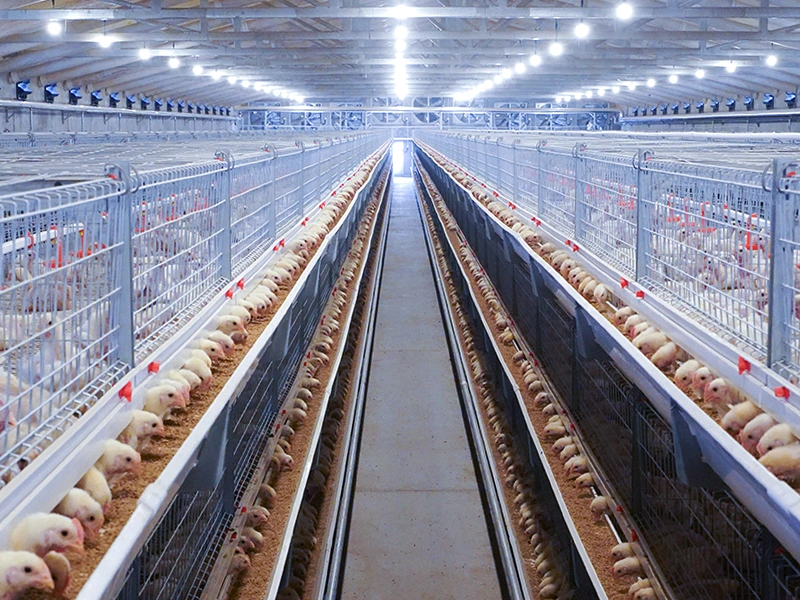
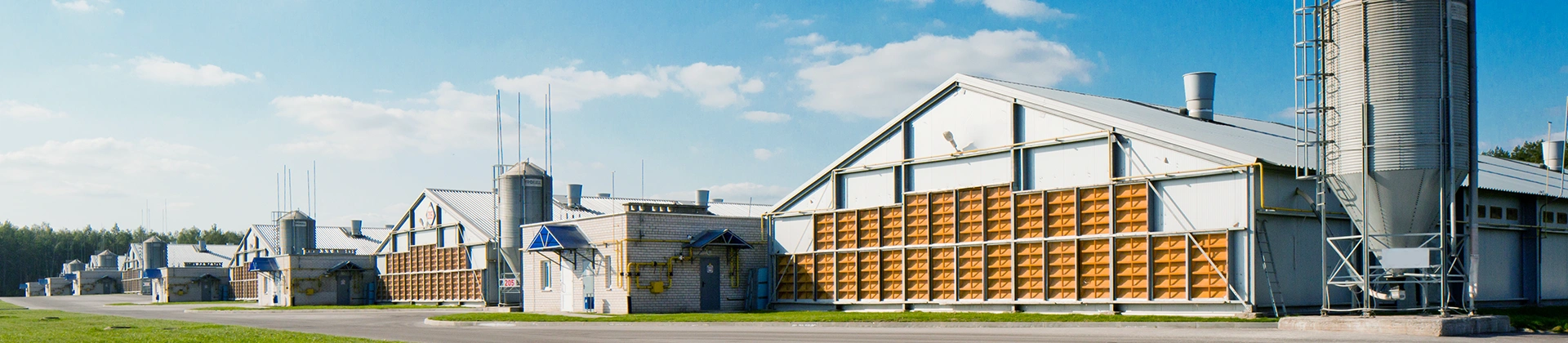
The proper ventilation of a barn is crucial for maintaining a **healthy environment** for livestock. Without adequate airflow, barns can quickly become hotspots for moisture and ammonia, leading to respiratory issues and other health problems for animals. A **quality high airflow exhaust fan** plays a significant role in ensuring that air circulates effectively, helping to keep the barn environment clean and comfortable.
Understanding the Importance of Ventilation in Barns
Effective barn ventilation is essential for a variety of reasons:
1. Animal Health
Ventilation directly impacts the health and wellbeing of animals. Stale air can lead to the buildup of harmful gases, such as ammonia, which can cause serious respiratory issues. High airflow exhaust fans help to expel this stale air, ensuring that fresh, clean air is consistently available.
2. Moisture Control
High humidity levels can create a breeding ground for bacteria and mold, which can adversely affect animal health. By continuously removing moist air from the barn, exhaust fans help to keep humidity levels in check.
3. Odor Management
A well-ventilated barn helps to reduce unpleasant odors that can accumulate from animal waste. This is not only important for the comfort of the animals but also for the people working in and around the barn.
The Role of Exhaust Fans in Barn Ventilation
**Exhaust fans** are integral to maintaining proper airflow in barns. They work by pulling stale, warm air out of the barn while creating a pressure difference that allows fresh air to enter. This process is essential for ensuring a consistent flow of air throughout the space.
How Exhaust Fans Work
Typically mounted on walls or ceilings, high airflow exhaust fans draw air from within the barn and expel it outside. As the stale air is vented out, fresh air enters through openings, such as windows or vents, thus ensuring a natural exchange of air.
Benefits of High Airflow Exhaust Fans
Investing in a **high airflow exhaust fan** offers numerous benefits:
1. Improved Animal Comfort
With effective ventilation, animals experience a more comfortable environment, which positively influences their behavior and productivity. For example, dairy cows in well-ventilated barns typically produce more milk due to reduced heat stress.
2. Enhanced Air Quality
High airflow exhaust fans help to maintain cleaner air in the barn, reducing the occurrence of airborne pathogens and allergens. This is particularly crucial for sensitive animals, such as young calves and pregnant sows.
3. Energy Efficiency
Modern high airflow exhaust fans are designed to be energy-efficient, reducing the overall energy costs associated with barn ventilation. By using less power while providing higher airflow, these fans are a sustainable choice for livestock operations.
4. Long-Term Cost Savings
While the initial investment in a quality exhaust fan may seem significant, the long-term savings in veterinary costs, energy bills, and overall animal productivity can far outweigh this initial expense.
Choosing the Right High Airflow Exhaust Fan
Selecting the appropriate exhaust fan for your barn requires careful consideration of several factors.
1. Fan Size and Capacity
The size of the fan should correlate with the barn's size and the number of animals housed. A fan that's too small will not adequately ventilate the barn, while an excessively large fan may lead to wasteful energy consumption.
2. Airflow Rating
Look for fans with a high airflow rating measured in cubic feet per minute (CFM). This rating indicates how much air the fan can move, which is crucial for effective ventilation.
3. Noise Levels
Consider the noise level of the fan. Quieter models are preferable, especially in barns where animals may be sensitive to loud noises.
4. Durability and Maintenance
Choose fans made from durable materials that can withstand the barn environment. Additionally, consider how easy it is to maintain and repair the fan over time.
Installation Tips for Exhaust Fans in Barns
Proper installation of exhaust fans is crucial for maximizing their effectiveness.
1. Location Matters
Install exhaust fans at high points in the barn to facilitate the removal of warm air, which rises. Positioning fans strategically ensures optimal air circulation.
2. Seal Openings
Ensure that all openings in the barn are properly sealed to prevent air leakage. This helps to maintain a consistent airflow throughout the barn.
3. Follow Manufacturer Guidelines
Always refer to the manufacturer's instructions when installing exhaust fans. Each model may have specific requirements for optimal performance.
Maintenance of Exhaust Fans
Regular maintenance of exhaust fans is essential for longevity and efficiency.
1. Clean the Blades and Housing
Dust and debris can accumulate on the blades and housing of the fan, affecting airflow. Regular cleaning helps maintain optimal performance.
2. Inspect Electrical Components
Periodically check the electrical connections and components for wear and tear. Promptly addressing any issues can prevent more significant problems in the future.
3. Lubricate Moving Parts
Ensure that moving parts are adequately lubricated according to the manufacturer’s guidelines. This reduces friction and prolongs the life of the fan.
Case Studies: Successful Barn Ventilation Solutions
To illustrate the effectiveness of high airflow exhaust fans, we can look at various case studies from actual barn operations.
1. Dairy Farm Implementation
At a local dairy farm, the installation of high airflow exhaust fans significantly improved overall milk production. By reducing heat stress during the summer months, the farm reported a 15% increase in milk yield.
2. Poultry Barn Success
A poultry operation faced challenges with moisture control and air quality. After installing multiple high airflow exhaust fans, the farm noted a dramatic decrease in respiratory illnesses among the flock, leading to improved overall health and productivity.
Frequently Asked Questions
1. How many exhaust fans do I need for my barn?
The number of fans required will depend on the size of your barn and the number of animals. A general rule of thumb is to have one fan for every 1,000 cubic feet of barn space.
2. Can I use regular fans for barn ventilation?
While regular fans can provide some airflow, high airflow exhaust fans are specifically designed for barns and will offer better performance, efficiency, and durability.
3. How often should I clean my exhaust fans?
It’s recommended to clean your exhaust fans at least twice a year, or more often if you notice a buildup of dust or debris.
4. What should I do if my exhaust fan is making noise?
If your exhaust fan is making unusual noises, check for loose parts or debris. You may need to lubricate moving parts or replace worn components.
5. Are high airflow exhaust fans energy-efficient?
Yes, many modern high airflow exhaust fans are designed to be energy-efficient, which can help reduce your energy costs while maintaining effective airflow.
Conclusion
In conclusion, investing in a **quality high airflow exhaust fan** is essential for maintaining optimal ventilation in your barn. These fans not only promote better animal health and comfort but also contribute to overall productivity and cost savings. By carefully choosing, installing, and maintaining these fans, you can create a more efficient and effective barn environment that benefits both livestock and farmers alike. Ensuring a well-ventilated barn is an investment in the future health and productivity of your operation.
recommend Content
2025-04-24
Share

Engaged in all kinds of cooling heating and animal husbandry equipment
Qingzhou Ventimax Equipment Co.,Ltd.
Economic Development zone,Qingzhou,China