
-

Products
Main products include: large-scale livestock fans, large-scale greenhouse dedicated fans, industrial plant dedicated fans, circulation fans, roof automatic ventilators and other ventilation and cooling systems; wet curtains - fans, cold fans and other cooling and humidification systems; coal (fuel oil, electricity, gas) hot air fans, exhaust fans and other heating systems; feed towers, feed lines and other feeding systems; animal husbandry cage systems; scraper conveyor manure removal machines, belt conveyor manure removal machines and other manure removal systems.
-
About Us
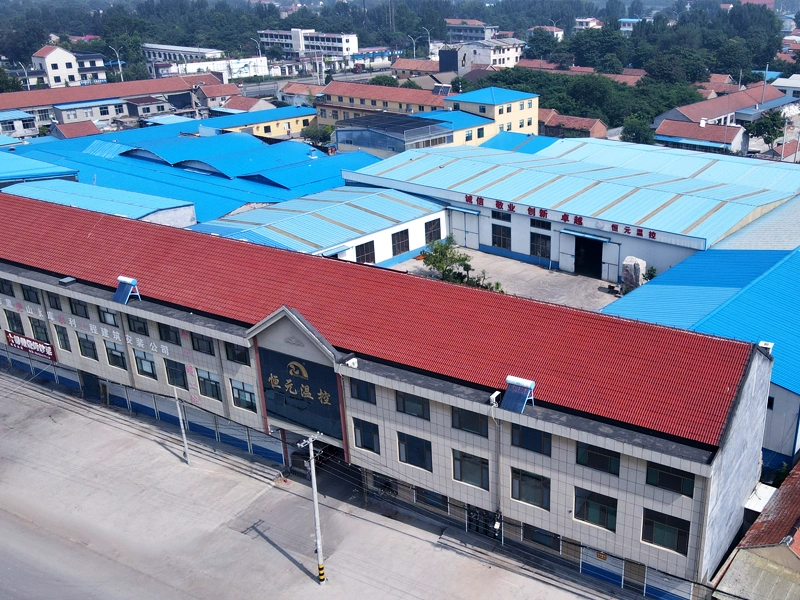
For many years, it has been committed to the development and promotion of national environmental protection and energy-saving products. It is a high-tech enterprise specializing in the production of environmental control-related equipment and technical services.
-
Blog
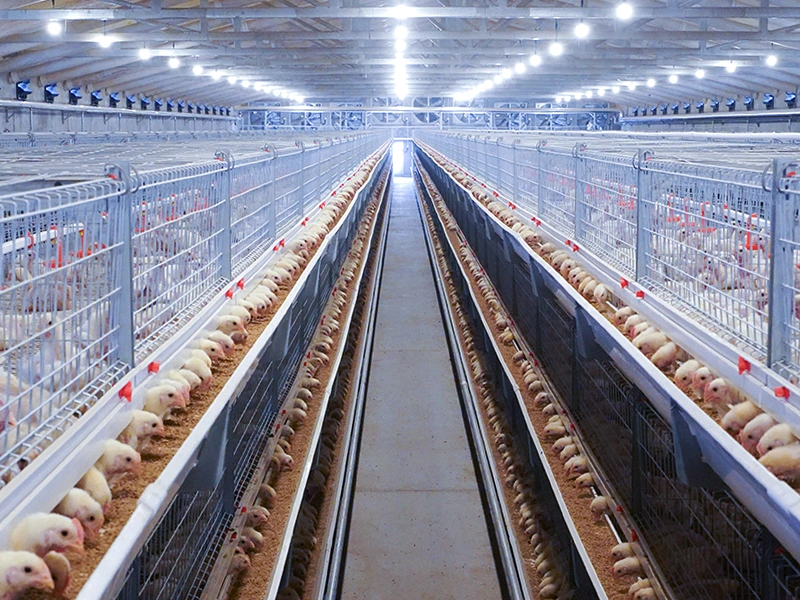
The company's goal is to provide customers with the best solutions for temperature and humidity control, to provide high-quality production and living environments for your greenhouses, livestock and poultry houses, industrial plants, etc., and to create the best benefits for you!
The Benefits of Installing High-Quality Cooling Pads in Swine Facilities
Release time:
2026-01-19
The Benefits of Installing High-Quality Cooling Pads in Swine Facilities
Introduction: The Importance of Climate Control in Swine Facilities
Maintaining an optimal environment in swine facilities is crucial for the health and productivity of pigs. High temperatures can lead to heat stress, negatively impacting growth rates, reproduction, and overall well-being. One effective solution to combat rising temperatures is the installation of **high-quality cooling pads**. These specialized cooling systems are designed to enhance air quality and reduce heat stress, creating a comfortable habitat for swine. In this article, we will explore the numerous benefits of these cooling pads and how they can contribute to a successful and efficient swine operation.
1. Understanding Cooling Pads: What Are They?
Cooling pads are **evaporative cooling systems** that utilize the process of evaporation to lower air temperature. Typically composed of cellulose or synthetic materials, these pads absorb water and facilitate air movement through them, resulting in cooler air entering the facility. The working principle is simple: as warm air passes over the wet pads, moisture evaporates, drawing heat away and providing a refreshing breeze.
1.1 Types of Cooling Pads
There are several types of cooling pads available in the market, including:
- **Cellulose Cooling Pads**: Made from treated paper or wood fibers, these pads are highly efficient at absorbing water and allowing for effective evaporation.
- **Plastic Cooling Pads**: Constructed from high-density polyethylene, these pads are durable and resistant to moisture and bacterial growth.
- **Hybrid Pads**: Combining features of both cellulose and plastic, hybrid pads offer versatility and enhanced performance.
Each type has its advantages, and the choice largely depends on specific facility needs and climatic conditions.
2. Key Benefits of High-Quality Cooling Pads
The installation of high-quality cooling pads in swine facilities offers various benefits that contribute to the overall performance of the operation.
2.1 Enhanced Livestock Comfort
**Pigs are particularly sensitive to high temperatures**, and even a slight rise can lead to discomfort and increased stress levels. High-quality cooling pads help maintain a stable temperature, ensuring that pigs remain comfortable throughout the day.
2.2 Improved Feed Efficiency
Research shows that comfortable pigs have better feed conversion rates. When the temperature is regulated, pigs consume their feed more efficiently, leading to improved growth rates and overall productivity. This directly translates to higher profitability for swine producers.
2.3 Reduced Heat Stress and Health Issues
Heat stress can lead to severe health problems such as reduced immunity, metabolic disorders, and increased mortality rates. By using cooling pads, we can significantly reduce the risk of heat-related issues, leading to healthier pigs and lower veterinary costs.
2.4 Optimal Reproductive Performance
Maintaining the right temperature is vital for reproduction. Heat stress in sows can lead to decreased fertility and lower litter sizes. High-quality cooling pads create a conducive environment, improving reproductive outcomes and ensuring the sustainability of the herd.
2.5 Energy Efficiency and Cost Savings
Modern cooling pads are designed to be energy efficient, utilizing less power compared to traditional air conditioning systems. This not only helps in saving on energy bills but also contributes to a more sustainable operation.
3. Installation of Cooling Pads: Best Practices
To maximize the benefits of cooling pads, proper installation is crucial. Here are some best practices to consider:
3.1 Site Assessment
Before installation, conduct a thorough assessment of the facility. Consider factors like air circulation, sunlight exposure, and humidity levels to determine the ideal location for cooling pads.
3.2 Sizing and Configuration
Selecting the right size of cooling pads is essential for optimal performance. Pads should be sized according to the facility's dimensions to ensure they can effectively cool the entire space. Additionally, consider the configuration to maximize airflow.
3.3 Water Supply and System Setup
Ensure a reliable water supply is available for the cooling pads. The system should be set up to maintain a consistent flow of water to keep the pads wet during operation.
4. Maintenance of Cooling Pads: Keeping Them Effective
Regular maintenance is vital to ensure that cooling pads work efficiently over time.
4.1 Cleaning and Sanitizing
Regular cleaning helps prevent the buildup of algae, bacteria, and other contaminants. Establish a routine cleaning schedule to maintain hygiene and performance.
4.2 Inspecting for Damage
Regularly inspect the pads for signs of wear or damage. Early detection of issues can prevent more significant problems and ensure sustainable operation.
4.3 Water Quality Management
Using clean water is crucial for the long-term performance of cooling pads. Monitor water quality to prevent mineral buildup and blockages.
5. The Economic Impact of Cooling Pad Installation
Investing in high-quality cooling pads can lead to substantial economic benefits for swine producers. Here’s how:
5.1 Return on Investment (ROI)
Calculating the ROI from cooling pad installation is essential. By considering factors like increased productivity, reduced veterinary costs, and energy savings, producers can see significant financial returns.
5.2 Long-term Savings on Utilities
As cooling pads utilize natural evaporation rather than refrigeration, they can significantly reduce energy costs. This is especially important during peak summer months when cooling needs are at their highest.
6. Frequently Asked Questions (FAQs)
6.1 How do cooling pads work?
Cooling pads function by absorbing water and using the process of evaporation to cool down the air passing through them.
6.2 Can cooling pads be used in all climates?
While cooling pads are most effective in hot and dry climates, they can also be beneficial in humid areas by reducing indoor temperatures.
6.3 How long do cooling pads last?
Quality cooling pads can last several years with proper maintenance, including regular cleaning and inspections.
6.4 Are cooling pads energy-efficient?
Yes, cooling pads are considered energy-efficient as they use less energy than traditional air conditioning systems.
6.5 What maintenance do cooling pads require?
Cooling pads require regular cleaning, checks for damage, and monitoring of water quality to ensure effective operation.
7. Conclusion: The Path to a Profitable Swine Operation
In conclusion, installing **high-quality cooling pads** in swine facilities is a strategic decision that can lead to substantial benefits, including enhanced livestock comfort, improved feed efficiency, and reduced heat stress. By investing in a reliable cooling system, swine producers can create an optimal environment for their animals, resulting in increased productivity and profitability. As we strive for sustainability and efficiency in livestock farming, cooling pads stand out as a valuable solution that contributes to the overall success of swine operations. Embracing this technology is not just an upgrade; it’s a commitment to better animal welfare and a thriving agricultural future.
recommend Content
2025-04-24
Share

Engaged in all kinds of cooling heating and animal husbandry equipment
Qingzhou Ventimax Equipment Co.,Ltd.
Economic Development zone,Qingzhou,China