
-

Products
Main products include: large-scale livestock fans, large-scale greenhouse dedicated fans, industrial plant dedicated fans, circulation fans, roof automatic ventilators and other ventilation and cooling systems; wet curtains - fans, cold fans and other cooling and humidification systems; coal (fuel oil, electricity, gas) hot air fans, exhaust fans and other heating systems; feed towers, feed lines and other feeding systems; animal husbandry cage systems; scraper conveyor manure removal machines, belt conveyor manure removal machines and other manure removal systems.
-
About Us
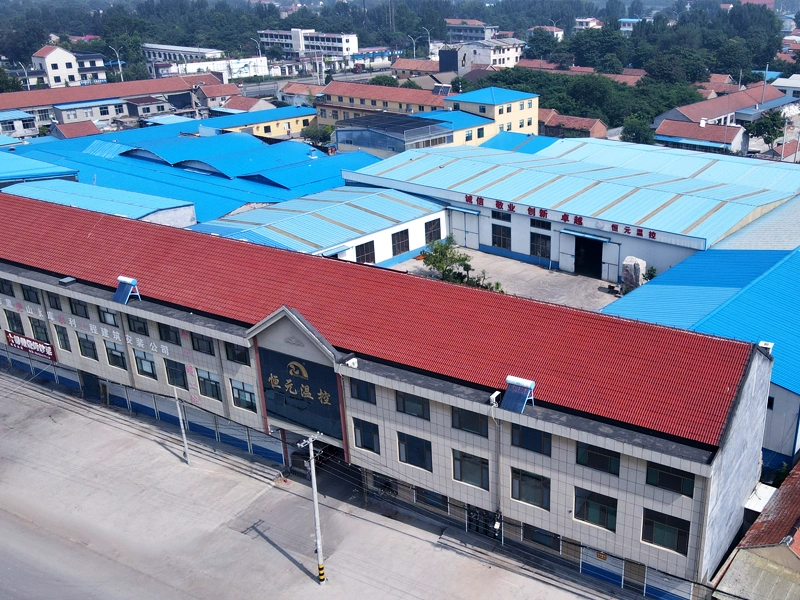
For many years, it has been committed to the development and promotion of national environmental protection and energy-saving products. It is a high-tech enterprise specializing in the production of environmental control-related equipment and technical services.
-
Blog
The company's goal is to provide customers with the best solutions for temperature and humidity control, to provide high-quality production and living environments for your greenhouses, livestock and poultry houses, industrial plants, etc., and to create the best benefits for you!
Optimize Your Swine Barn with Affordable Ventilation Shutters for Enhanced Air Quality
Release time:
2025-12-23
Optimize Your Swine Barn with Affordable Ventilation Shutters for Enhanced Air Quality
Table of Contents
- 1. Introduction to Swine Barn Ventilation
- 2. Importance of Proper Ventilation in Swine Barns
- 3. Types of Ventilation Shutters for Swine Barns
- 4. Benefits of Using Affordable Ventilation Shutters
- 5. Installing Ventilation Shutters: A Step-by-Step Guide
- 6. Maintenance Tips for Long-Lasting Performance
- 7. Cost-Effective Solutions for Swine Barn Ventilation
- 8. FAQs: Everything You Need to Know About Ventilation Shutters
- 9. Conclusion: Optimize Your Swine Barn Today
1. Introduction to Swine Barn Ventilation
In the world of swine farming, creating an environment that promotes the health and well-being of livestock is paramount. One critical aspect of maintaining such an environment is proper ventilation. Ventilation shutters play a crucial role in regulating air quality, temperature, and humidity levels within the barn. This article explores how affordable ventilation shutters can optimize your swine barn, focusing on their installation, benefits, and maintenance.
2. Importance of Proper Ventilation in Swine Barns
Understanding the significance of ventilation in swine barns is essential for any farmer.
2.1 Impact on Animal Health
Improper ventilation can lead to a buildup of harmful gases such as ammonia and carbon dioxide, which can adversely affect the health of pigs. **Reduced air quality not only increases the risk of respiratory diseases but also compromises overall animal welfare**.
2.2 Temperature Regulation
Temperature extremes can cause stress in pigs, leading to decreased productivity and growth rates. **Effective ventilation systems help maintain optimal temperatures**, ensuring pigs are comfortable and stress-free.
2.3 Moisture Control
High humidity levels can promote the growth of mold and bacteria. **Ventilation shutters help control moisture levels**, thus reducing the risk of diseases and improving the overall health of your livestock.
3. Types of Ventilation Shutters for Swine Barns
When it comes to selecting ventilation shutters for swine barns, various options are available, each suited for different needs and budgets.
3.1 Manual Ventilation Shutters
These shutters are operated manually, allowing farmers to control airflow as needed. They are often more affordable and simpler to install. **Manual shutters can be a cost-effective solution for smaller operations**.
3.2 Automatic Ventilation Shutters
Automatic shutters utilize sensors to open and close based on environmental conditions. **This technology ensures consistent airflow without constant manual intervention**, making them ideal for larger swine barns.
3.3 Adjustable Louvers
Louvers offer flexibility in controlling the direction and amount of air entering the barn. **They can be adjusted based on prevailing weather conditions** and are particularly useful in regions with variable climates.
4. Benefits of Using Affordable Ventilation Shutters
Investing in affordable ventilation shutters offers multiple advantages that can transform your swine barn into a model of efficiency.
4.1 Enhanced Air Quality
By facilitating proper airflow, ventilation shutters significantly improve air quality. **This enhancement reduces the risk of respiratory issues among your pigs**, promoting healthier livestock.
4.2 Energy Efficiency
Modern ventilation shutters are designed to minimize energy costs while maximizing airflow. **By optimizing temperature and humidity levels, these shutters help reduce the need for additional heating or cooling systems**.
4.3 Increased Productivity
Healthy pigs are productive pigs. **With improved air quality and temperature regulation**, farmers can expect better growth rates, leading to increased profitability.
4.4 Cost-Effectiveness
Affordable ventilation shutters offer a high return on investment. **By preventing health issues and enhancing productivity**, the long-term savings far outweigh the initial costs.
5. Installing Ventilation Shutters: A Step-by-Step Guide
Proper installation is crucial for the effectiveness of ventilation shutters. Follow these steps for a successful installation.
5.1 Gather Your Materials
Before starting, gather all necessary materials including the shutters, mounting tools, and safety equipment. **Ensure you have a clear plan for the installation process**.
5.2 Choose the Right Location
Identify the best locations for your shutters, typically on the sidewalls or roof of the barn. **Strategic placement is key to maximizing airflow**.
5.3 Prepare the Installation Site
Clear the area of any obstructions and ensure the surface is clean and smooth. **Proper preparation will facilitate easier installation**.
5.4 Install the Shutters
Follow the manufacturer's instructions for mounting the shutters securely. **Ensure they open and close smoothly to maintain optimal functionality**.
5.5 Test the System
Once installed, conduct a thorough test of the shutters. **Check for proper operation and adjust as necessary for optimal performance**.
6. Maintenance Tips for Long-Lasting Performance
Regular maintenance is essential to ensure the longevity and effectiveness of your ventilation shutters.
6.1 Regular Cleaning
Dust and debris can accumulate on shutters, hindering performance. **Clean shutters regularly to ensure unobstructed airflow**.
6.2 Inspect for Damage
Regularly check the shutters for any signs of wear or damage. **Early detection can prevent costly repairs down the line**.
6.3 Test Mechanisms
For automatic shutters, routinely test the sensors and mechanisms to ensure they are functioning correctly. **Replace any faulty parts promptly**.
6.4 Seasonal Adjustments
Adjust the settings of your shutters based on seasonal changes. **This practice maximizes efficiency throughout the year**.
7. Cost-Effective Solutions for Swine Barn Ventilation
When considering ventilation solutions for your swine barn, affordability is often a key concern.
7.1 Budget-Friendly Options
Explore various affordable ventilation shutter options available on the market today. **Consider manual shutters for small operations or adjustable louvers for flexibility**.
7.2 Long-Term Savings
Investing in quality ventilation shutters can lead to significant long-term savings. **By improving air quality and reducing energy costs, the initial investment pays off over time**.
7.3 Incentives and Grants
Research potential grants or incentives for upgrading your farm’s ventilation system. **Many agricultural programs offer financial assistance for improving livestock environments**.
8. FAQs: Everything You Need to Know About Ventilation Shutters
8.1 What are ventilation shutters and how do they work?
Ventilation shutters are designed to regulate airflow in agricultural buildings. They allow fresh air to enter while expelling stale air, thus improving overall air quality.
8.2 How often should I clean my ventilation shutters?
It is advisable to clean your shutters at least once a month to prevent dust build-up and ensure optimal airflow.
8.3 Can I install ventilation shutters myself?
Yes, with the right materials and tools, installing ventilation shutters can be a DIY project, although professional installation is recommended for larger barns.
8.4 What is the lifespan of ventilation shutters?
With proper maintenance, quality ventilation shutters can last for many years, typically ranging from 10 to 20 years.
8.5 Are automatic shutters worth the investment?
Yes, automatic shutters provide consistent airflow without manual intervention, making them a worthwhile investment for larger operations.
9. Conclusion: Optimize Your Swine Barn Today
In the realm of swine farming, ensuring a healthy, comfortable environment is essential for the well-being of your livestock. **By investing in affordable ventilation shutters, you can significantly enhance air quality, regulate temperature, and control moisture levels in your barn**. The benefits of proper ventilation are clear—improved animal health, increased productivity, and cost savings. Through careful selection, installation, and maintenance of ventilation shutters, we can create a thriving environment that fosters the health and growth of our pigs. Make the proactive choice to optimize your swine barn today for a more successful farming future.
recommend Content
2025-04-24
Share

Engaged in all kinds of cooling heating and animal husbandry equipment
Qingzhou Ventimax Equipment Co.,Ltd.
Economic Development zone,Qingzhou,China