
-

Products
Main products include: large-scale livestock fans, large-scale greenhouse dedicated fans, industrial plant dedicated fans, circulation fans, roof automatic ventilators and other ventilation and cooling systems; wet curtains - fans, cold fans and other cooling and humidification systems; coal (fuel oil, electricity, gas) hot air fans, exhaust fans and other heating systems; feed towers, feed lines and other feeding systems; animal husbandry cage systems; scraper conveyor manure removal machines, belt conveyor manure removal machines and other manure removal systems.
-
About Us
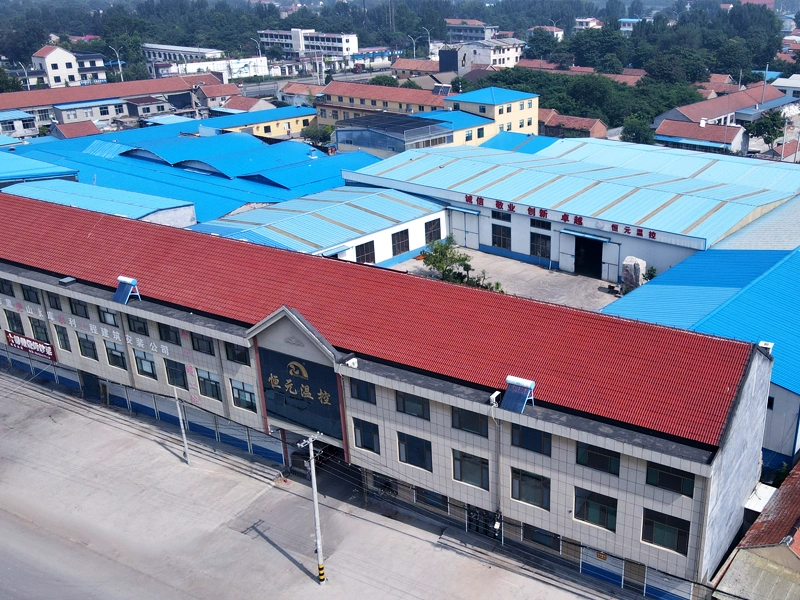
For many years, it has been committed to the development and promotion of national environmental protection and energy-saving products. It is a high-tech enterprise specializing in the production of environmental control-related equipment and technical services.
-
Blog
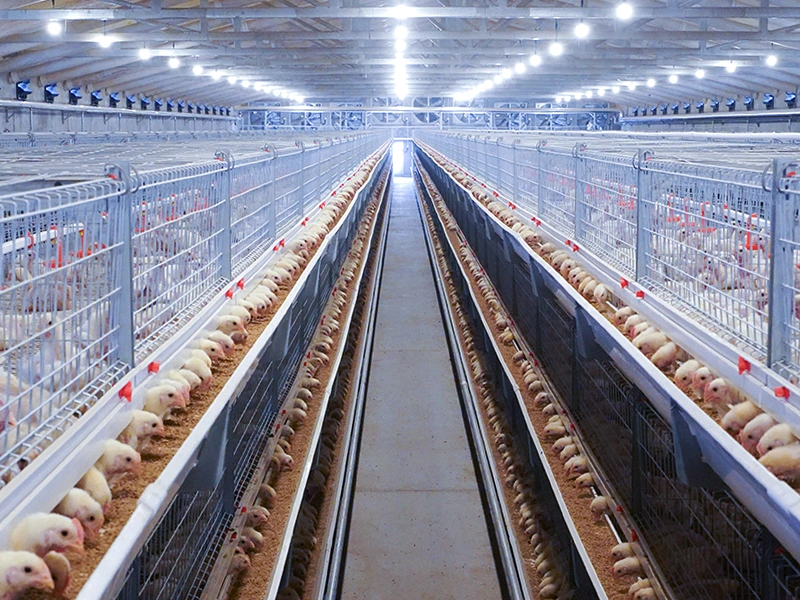
The company's goal is to provide customers with the best solutions for temperature and humidity control, to provide high-quality production and living environments for your greenhouses, livestock and poultry houses, industrial plants, etc., and to create the best benefits for you!
How Swine Barn Cooling Pads Enhance Livestock Comfort: A Comprehensive Guide
Release time:
2025-12-16
How Swine Barn Cooling Pads Enhance Livestock Comfort
Table of Contents
- 1. Introduction to Swine Barn Cooling Pads
- 2. The Importance of Temperature Control in Swine Facilities
- 3. How Do Swine Barn Cooling Pads Work?
- 4. Key Benefits of Using Cooling Pads in Swine Barns
- 4.1 Enhancing Animal Welfare and Comfort
- 4.2 Boosting Productivity and Growth Rates
- 4.3 Reducing Heat Stress and Improving Health
- 5. Installation of Swine Barn Cooling Pads
- 6. Maintenance and Care of Cooling Pads
- 7. Success Stories: Case Studies in Swine Barn Cooling
- 8. Conclusion
1. Introduction to Swine Barn Cooling Pads
In the modern agricultural sector, particularly in swine production, **maintaining optimal barn conditions** is crucial for the overall health and productivity of livestock. One effective way to achieve this is through the use of **swine barn cooling pads**. These innovative cooling solutions help regulate temperature and humidity levels within barns, ultimately fostering a conducive environment for pigs, especially during the warmer months.
2. The Importance of Temperature Control in Swine Facilities
Temperature control is a vital component in livestock management. Swine are particularly sensitive to heat, which can lead to **heat stress** and negatively impact their growth, reproduction, and overall health. Proper temperature regulation not only enhances the comfort of the animals but also plays a significant role in **feed efficiency** and growth rates.
Maintaining an ideal barn temperature typically ranges from 65°F to 75°F. When temperatures exceed this range, pigs may experience stress, leading to adverse effects such as reduced feed intake, decreased weight gain, and lower reproductive performance. By implementing cooling pads, farmers can effectively mitigate these risks and ensure their livestock remain comfortable and healthy.
3. How Do Swine Barn Cooling Pads Work?
Swine barn cooling pads utilize the principles of **evaporative cooling**. The pads are typically made of specialized materials that absorb water and increase the humidity in the air as it passes through. This process cools the surrounding environment, providing relief to the livestock in the barn.
The system operates by drawing hot air into the barn through the cooling pads, which are often installed on one side of the barn. As the air moves through the wet pads, it loses heat due to evaporation, resulting in cooler, more comfortable air being circulated throughout the barn. This method is not only energy-efficient but also cost-effective, making it an ideal choice for many swine producers.
4. Key Benefits of Using Cooling Pads in Swine Barns
4.1 Enhancing Animal Welfare and Comfort
The primary advantage of installing swine barn cooling pads is the enhancement of **animal welfare**. Pigs, like many livestock species, thrive in environments that provide adequate temperature control. By ensuring that the barn remains cool and comfortable, farmers can significantly reduce instances of stress-related behaviors, leading to happier, healthier animals.
Improved comfort translates into better overall well-being, which is essential for both ethical and productivity reasons. Pigs that are kept in comfortable conditions tend to exhibit improved behavior, which can reduce the likelihood of aggression and promote social interactions within groups.
4.2 Boosting Productivity and Growth Rates
Another significant benefit of using cooling pads is the positive impact on productivity. **Heat-stressed pigs** often exhibit decreased feed intake, which can stunt growth rates and negatively affect weight gain. By providing a cooler environment, farmers can ensure that their pigs maintain a consistent feed intake, leading to optimal growth performance.
Research has shown that pigs raised in controlled environments experience better feed conversion rates, meaning they convert feed into body mass more efficiently. This results in a quicker turnaround time for livestock, allowing farmers to optimize their production cycles and increase profitability.
4.3 Reducing Heat Stress and Improving Health
Heat stress can have severe health implications for swine, from weakened immune systems to increased susceptibility to diseases. By utilizing cooling pads, farmers can help mitigate these risks. A cooler barn environment supports **immune function**, reduces the incidence of heat-related illnesses, and promotes overall health among the herd.
Additionally, pigs that experience less heat stress are less likely to exhibit signs of aggression or discomfort, ultimately contributing to a more harmonious barn environment. This translates to better handling and reduced injury rates during management tasks.
5. Installation of Swine Barn Cooling Pads
Installing swine barn cooling pads is a straightforward process, but it requires careful planning and consideration to ensure effectiveness. The following steps outline the installation process:
1. **Assess Barn Layout**: Evaluate the existing barn layout to determine the best locations for the cooling pads. Typically, they are installed on the side of the barn that receives the most airflow.
2. **Select the Right Size**: Choose cooling pads that are appropriate for the size of the barn and the number of pigs housed within. Proper sizing ensures optimal airflow and cooling efficiency.
3. **Install Water Supply**: Ensure a consistent water supply is available to keep the pads moist. This may involve setting up a simple irrigation system or connecting to an existing water source.
4. **Secure the Pads**: Install the cooling pads securely. They should be positioned vertically to maximize air exposure and should be sealed properly to prevent water leakage.
5. **Test the System**: After installation, test the cooling system to ensure it operates effectively. Monitor temperature and humidity levels to achieve the desired environment.
6. Maintenance and Care of Cooling Pads
Regular maintenance of cooling pads is essential to ensure longevity and optimal performance. Here are key maintenance practices to consider:
- **Routine Cleaning**: Contaminants can accumulate on the pads over time, affecting their performance. Regular cleaning helps maintain efficiency and hygiene.
- **Inspect for Damage**: Periodically check the pads for wear and tear. Replace any damaged sections to ensure continued effectiveness.
- **Monitor Water Supply**: Ensure that the water supply remains consistent and that the pads stay adequately moist. Adjust the water flow as necessary based on environmental conditions.
- **Evaluate System Performance**: Regularly assess the overall performance of the cooling system. Make adjustments as needed to optimize airflow and cooling efficiency.
By implementing a routine maintenance schedule, farmers can maximize the benefits of their cooling pads and enhance the comfort of their livestock.
7. Success Stories: Case Studies in Swine Barn Cooling
Numerous farms have successfully implemented cooling pads, leading to notable improvements in livestock comfort and productivity. One such case involved a large swine operation that reported a **20% increase in average daily gain** after installing cooling pads.
The farm owners noted that pigs were more active and appeared less stressed, leading to improved overall health and an increase in reproductive performance. Another case study highlighted a facility that experienced reduced mortality rates during heatwaves, thanks to the proactive installation of cooling pads.
These examples underscore the significant impact that effective cooling solutions can have on swine operations, demonstrating both economic and animal welfare benefits.
8. Conclusion
In conclusion, swine barn cooling pads are an invaluable investment for farmers looking to enhance livestock comfort and optimize productivity. By effectively controlling barn temperatures and reducing heat stress, these cooling systems promote animal welfare, improve health, and boost growth rates.
The combination of installation, maintenance, and real-world success stories illustrates the transformative benefits of cooling pads in swine production. As the industry continues to evolve, integrating innovative cooling solutions will be vital for maintaining competitiveness and ensuring the well-being of livestock. Embracing these technologies not only supports the animals but also contributes to the sustainability and profitability of swine farming operations.
recommend Content
2025-04-24
Share

Engaged in all kinds of cooling heating and animal husbandry equipment
Qingzhou Ventimax Equipment Co.,Ltd.
Economic Development zone,Qingzhou,China